⚠️ Trigger Warning unedited accounts of cruelty. This is part one of a two part series. Follow the next episode.

Discover the shocking true story of Arthur William Hodge, a 19th-century planter and my ancestor, who was executed for murdering an enslaved person. Delve into the brutal history of slavery and colonialism in the Caribbean.
If you’ve been keeping up, you already read my blog post about illustrious Governor Arthur Hodge—my seven-times great-grandfather.
Gov. Arthur John Hodge: Hero and Defender of Anguilla
Now it’s time to turn to his son. Before we go any further though, I need to be honest about what comes next. This isn’t easy reading. What you’re about to read comes straight from the historical record. Nothing has been softened, cleaned up, or made more palatable. Some of his acts of violence were so heinous I could not even include them here.
Subscribe to my monthly newsletter for more detailed content.
While researching this, there were many moments when I had to step away. The cruelty described in these sources left me in absolute horror—disgusted, heartbroken, and overwhelmed by what his enslaved victims were forced to endure. Like we say back home, ban you belly—brace yourself.
How it began:
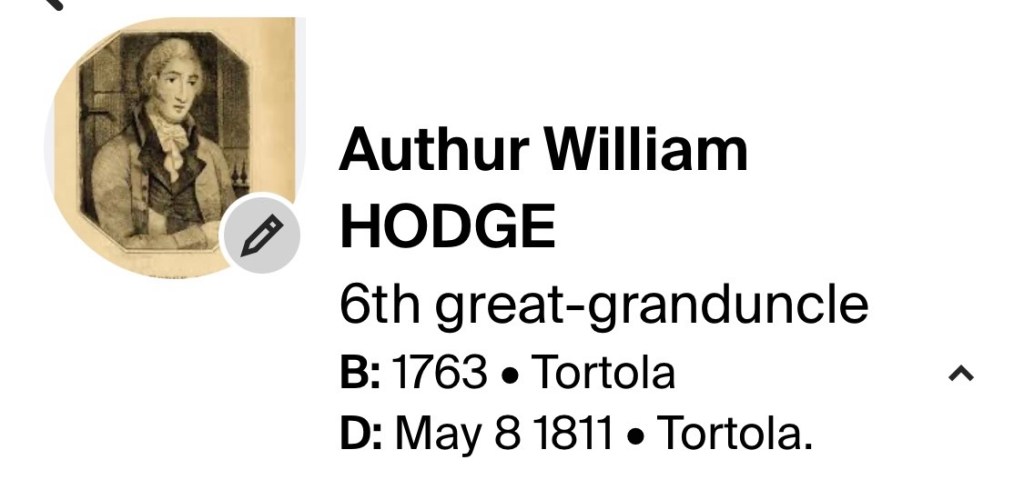
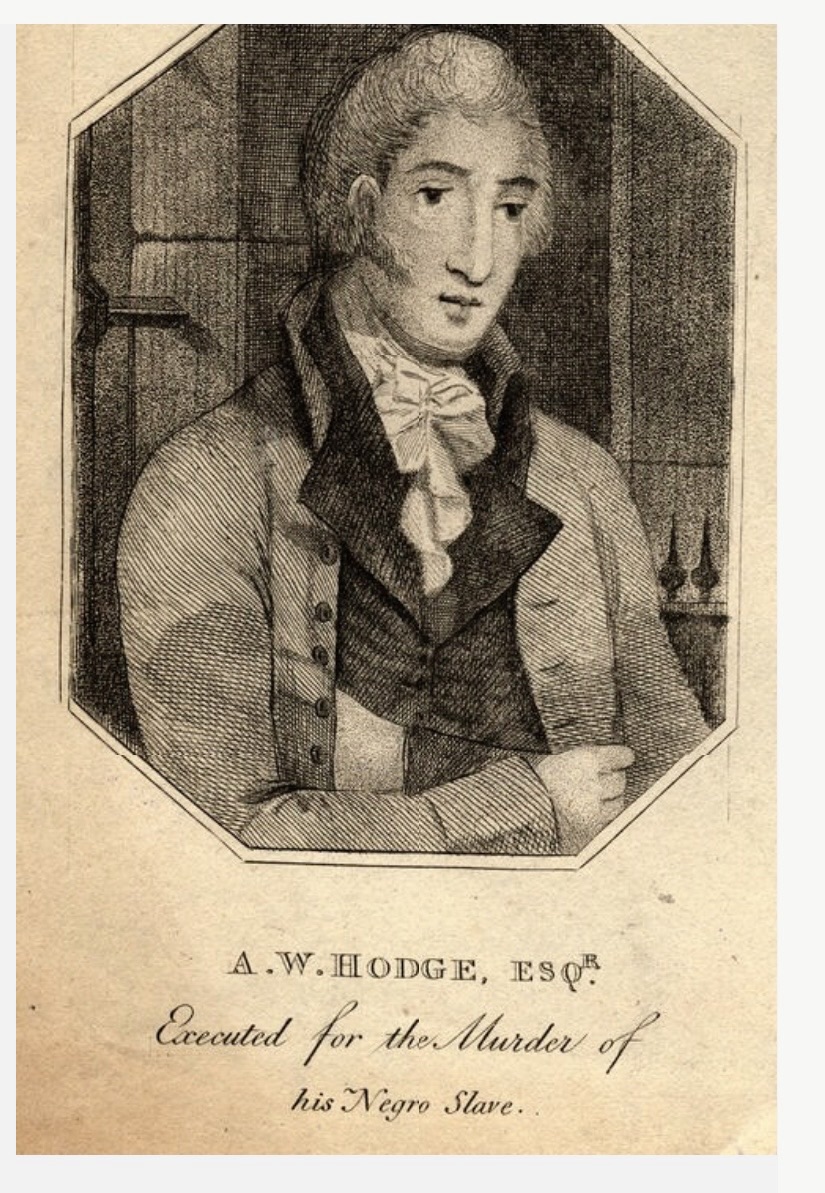
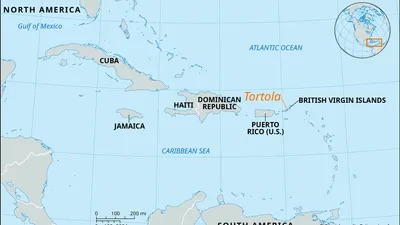
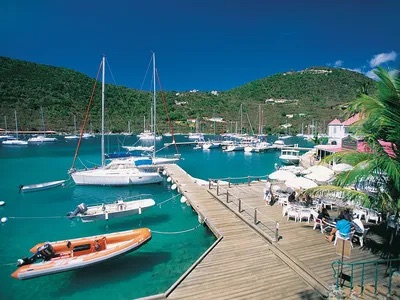
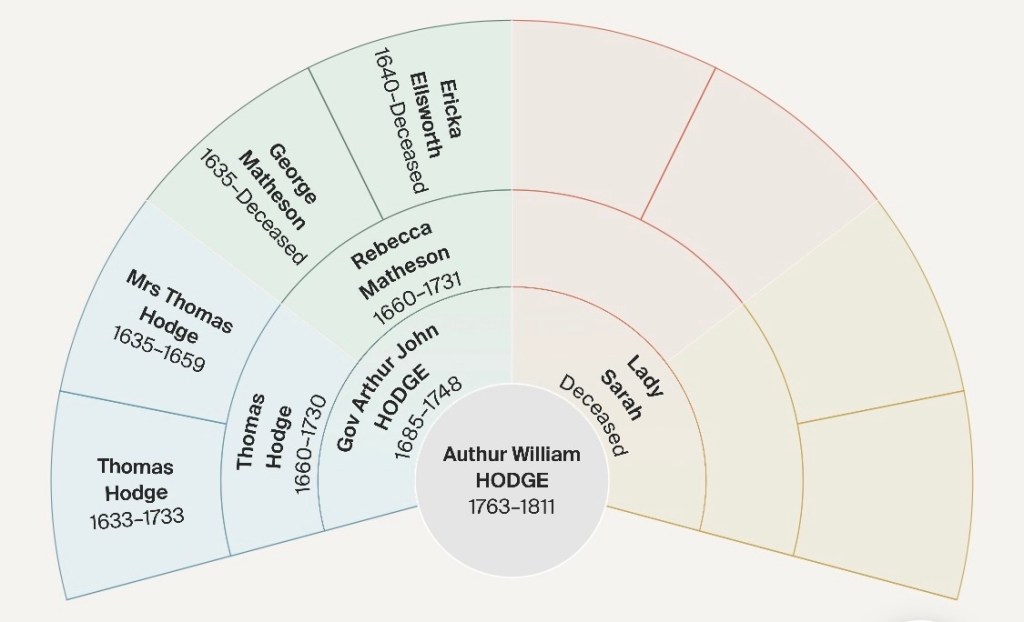
My six-times great-grand uncle Arthur William Hodge was born on the island of Tortola in 1763, at a time when opportunity and brutality often went hand in hand in the British Caribbean. Like many young men of means, he was sent to England for his education, enrolling at Oriel College, Oxford, in 1781. The experience appears to have been brief. Within a year, Hodge abandoned academic life and entered the Army, taking a commission as a second lieutenant in the Royal Welch Fusiliers. His military career was short and unremarkable, ending when he was mustered out in late 1783.
By the late 1780s, Hodge had returned to Tortola, where he began to establish himself as a figure of local authority. In 1787, he was appointed to the British Virgin Islands Council and took up roles in the colony’s upper house of the legislature as well as serving as a Justice of the Peace in Road Town. Although he assumed these duties in November of that year, the colonial administration did not formally confirm his appointments until 1791, a delay that reflected the slow and often inconsistent machinery of imperial governance.
Hodge’s private life was marked by instability and repeated loss. He married early, only to lose his first wife shortly afterward. A second marriage, to Jane MacNamara, ended similarly in tragedy when she died soon after the birth of their daughter, Rosina Jane, around 1795. Not long afterward, Hodge had a “relationship” with a black enslaved woman named Peggy, with whom he had another daughter, Bella Hodge, born in 1798.
While his personal life faltered, Hodge’s economic position grew stronger. By the late 1790s, he owned sugar-producing land on Tortola. Arthur William Hodge’s Bellevue plantation on Tortola was approximately 535 acres in size.
By 1800 he controlled a substantial plantation in the Road Division of the island. That same year, he traveled to England, where business, social ambition, and personal reinvention converged. On 2 June 1800, he married Ann Maria Hoggins in Clifton, Gloucestershire.
The couple settled in London and began a family. Their children—Jane Rosina (1801), Justina Jane (1802), and Henry Cecil (1805)—were all born during these years. In 1803, the family returned to Tortola and took up residence on an estate known as Bellevue. There, as before, domestic life proved fragile. Ann Maria Hodge died on 29 November 1808, leaving Arthur William Hodge widowed once again.
By the time of her death, Hodge had accumulated nearly everything that signified success in the colonial world: wealth, political authority, extensive landholdings, and near-total control over the lives of those enslaved on his estates. He was no longer simply a planter or officeholder, but one of the most powerful men on Tortola, insulated by distance from Britain and protected by a legal system that rarely questioned the conduct of men in his position.
It was within this environment—defined by unchecked authority, economic pressure, and a brutal system of forced labor—that Hodge’s reputation would be forged. The same structures that elevated him also enabled behavior that would later draw unprecedented scrutiny. In the years that followed, his actions would test the limits of colonial justice and expose the contradictions at the heart of the British Empire’s claims to law, order, and morality.
Hodge’s early life, marked by ambition and loss, thus set the stage for the events that would make his name infamous—events that would resonate far beyond Tortola and secure his place in the darker chapters of British Caribbean history.
How it ended:
Following the events of his later life, Arthur William Hodge was hanged on 8 May 1811.
What Got Him There:
There are many accounts of the life of Arthur William Hodge, and taken together, they paint a disturbing picture. By most descriptions, he comes across as a psychopath, a sociopath, and a cold, sadistic serial killer. His cruelty was not hidden or subtle—it was systemic, deliberate, and ultimately undeniable. That pattern of violence led to his trial, conviction, and eventual hanging. In the end, Hodge became notorious as the first white man in the British West Indies—and possibly across the entire British Empire—to be executed for the murder of an enslaved person.
Watch this vid https://youtu.be/ibY2YxLjty4?si=NjiyiqEZRBdBO17z
Subscribe to my monthly newsletter for more harrowing details.
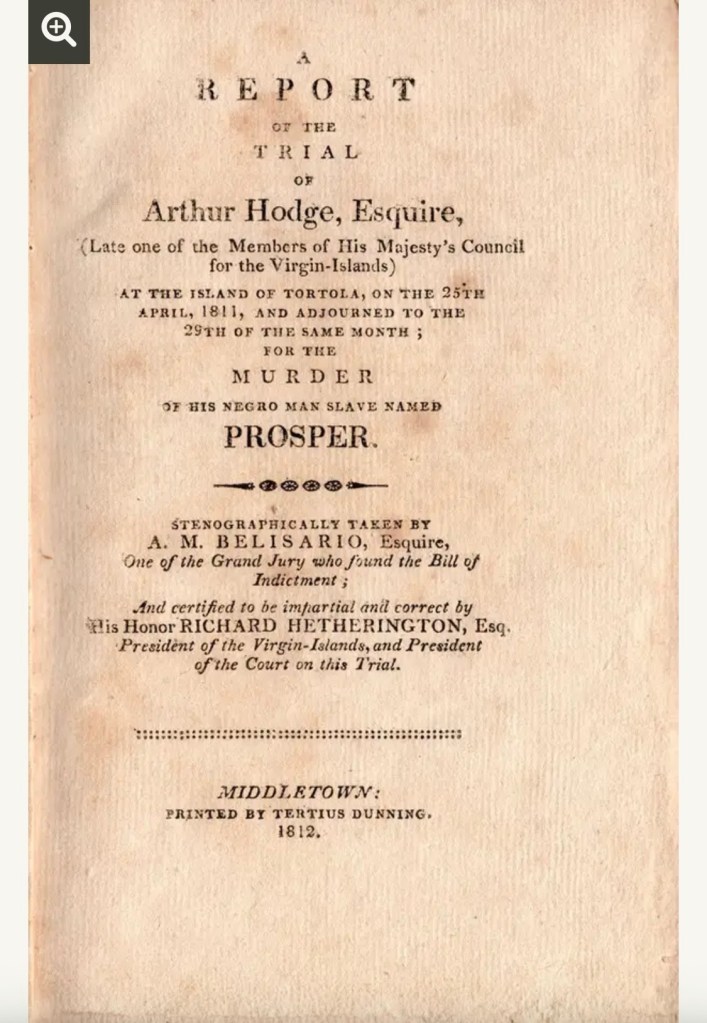
In 1811, Hodge was indicted for the murder of a male enslaved man on his estate named Prosper. Although the charge focused on Prosper’s death, colonial courts at the time placed few limits on similar-fact evidence, and much of the trial centered on Hodge’s broader pattern of brutality toward other enslaved people. Contemporary trial reports portray Hodge as deeply disturbed and cruel.
Testimony revealed that Prosper was not the only victim. Evidence was presented that other enslaved people on Hodge’s estate also died as a result of his actions, including Tom Boiler, Cuffy, Else, Jupiter, Margaret, and Simon Boiler. Three men—Jupiter, Tom Boiler, and Tom’s brother, Simon Boiler—were whipped until they died. Margaret and Else died after boiling water was poured down their throats.
The evidence also described extreme cruelty toward children. Witnesses testified that Hodge abused young enslaved children, including his own offspring. Among them was Bella, a small mulatto girl of about eight years old, born to Peggy, an enslaved woman owned by Hodge. Testimony stated that Hodge held the heads of several mulatto children—possibly also his own—under water until they lost consciousness, revived them, and then repeated the act.
One witness, Daniel Ross, testified that Hodge had previously owned more than 100 healthy enslaved people on his plantation. By the time Hodge’s wife died, Ross stated, so many had died that there were not enough left to dig her grave.
In Plain English
- Enslaved Population: In 1803, the estate had 140 enslaved people. By the time of Hodge’s trial in 1811, this number had drastically decreased to roughly 35, a decline attributed to his extreme cruelty.
- Location: The estate was situated in the eastern part of Tortola.
- Production: As of 1798, the property (identified as lot number 85) was actively involved in sugar production.
So many enslaved people died at Arthur William Hodge’s cruel, evil and sadistic hands I boldly label him indeed the first serial killer in the Caribbean. What’s very disconcerting to me is that he was MY 6x great grand uncle.
Part 2 Loading
Keep an eye out for the 2nd part of this series that covers the trial, conviction and hanging of Arthur William Hodge. Learn how a simple mango 🥭 helped to bring about his downfall and the end of his reign of terror in Tortola.
🌺🌸Buy me a coffee ☕️ please🌺🌸

LEARN U.S. HISTORY WITH ME:

Learn U.S. History and Literature with me!!


