
A Life Punctuated by Loss: Phoebe Mac and Womanhood in the Caribbean. The life of Phoebe Mac reveals how marriage, motherhood, and grief shaped women’s lives in the nineteenth-century Caribbean.
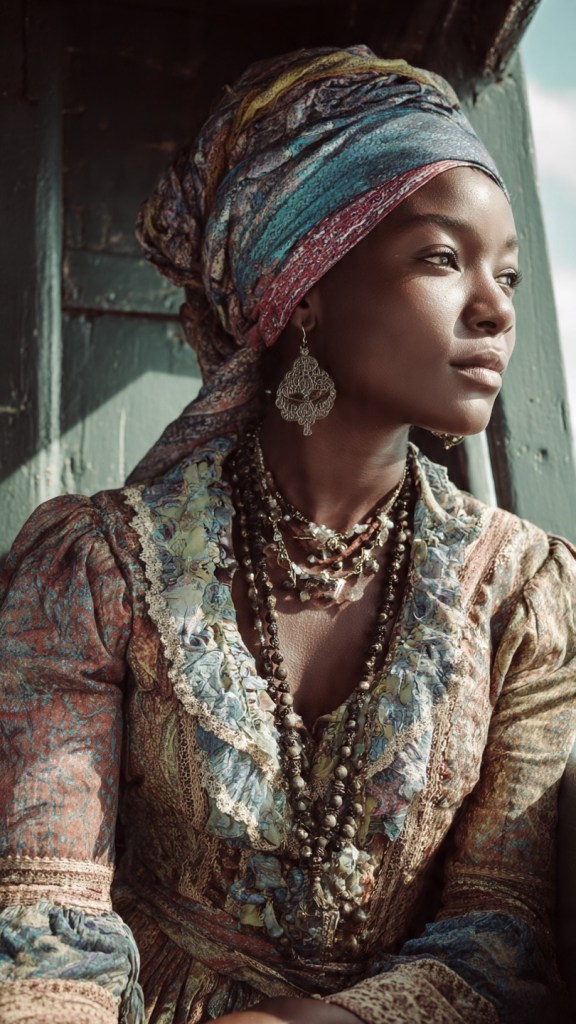
A Life Punctuated by Loss: A Caribbean Woman’s Story in the Age of Slavery
Phebe Mac my maternal Great, Great, Great Grandmother was born in 1824. She entered a world already shaped by hardship and uncertainty. She was born enslaved. She would live just 47 years, but within that time she experienced a lifetime’s worth of love, labor, and devastating loss.
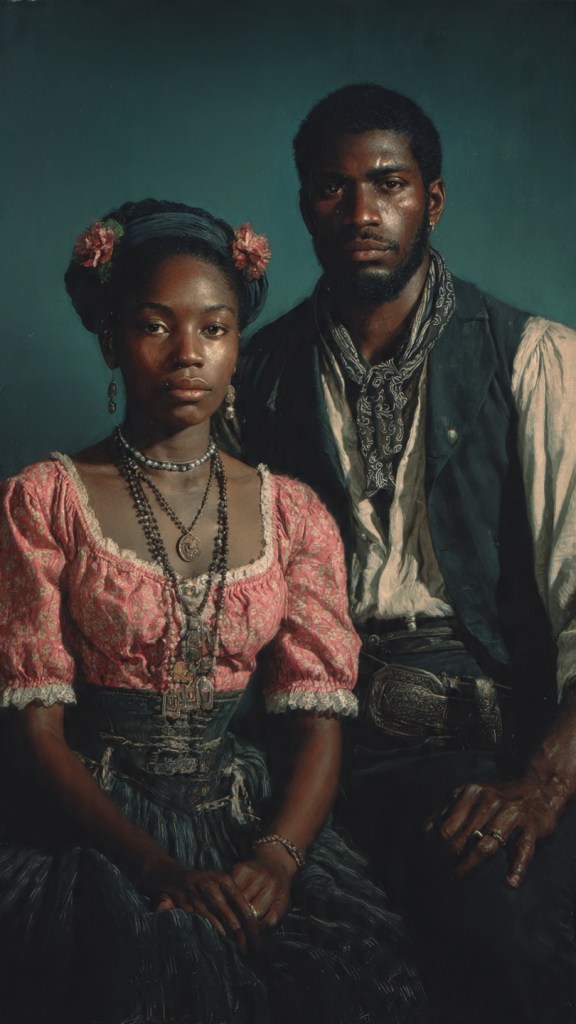
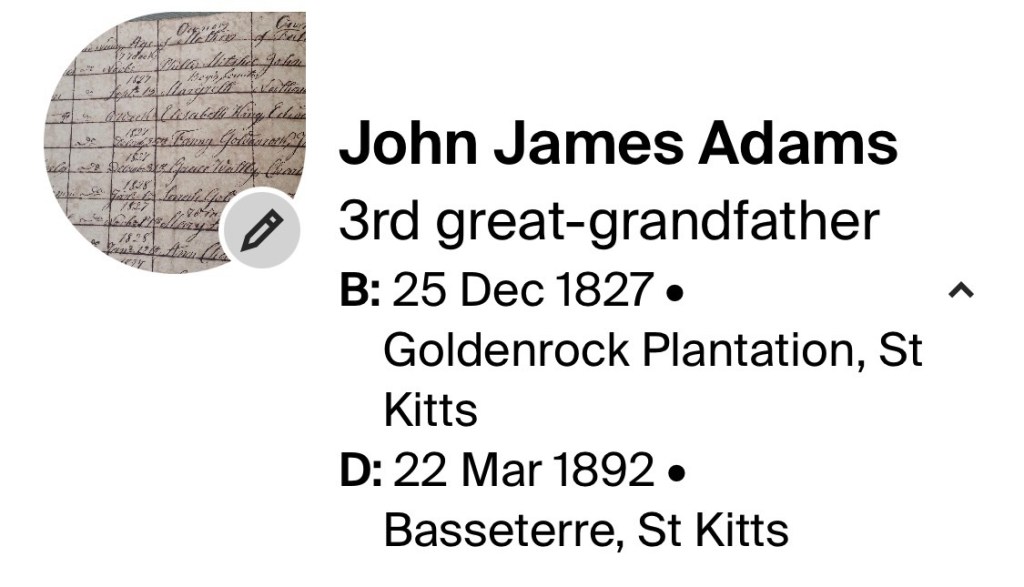
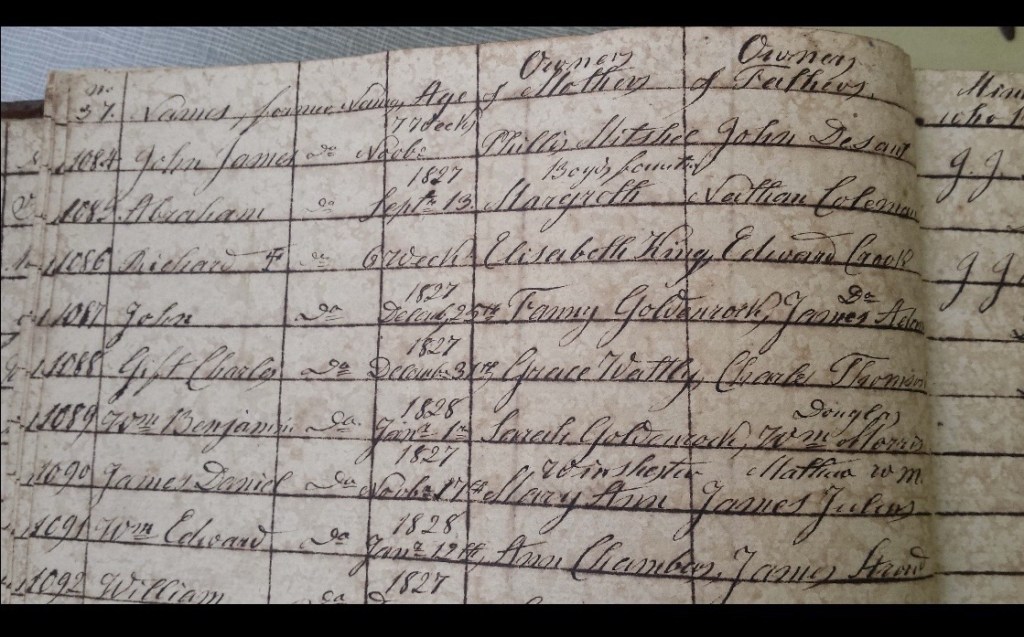
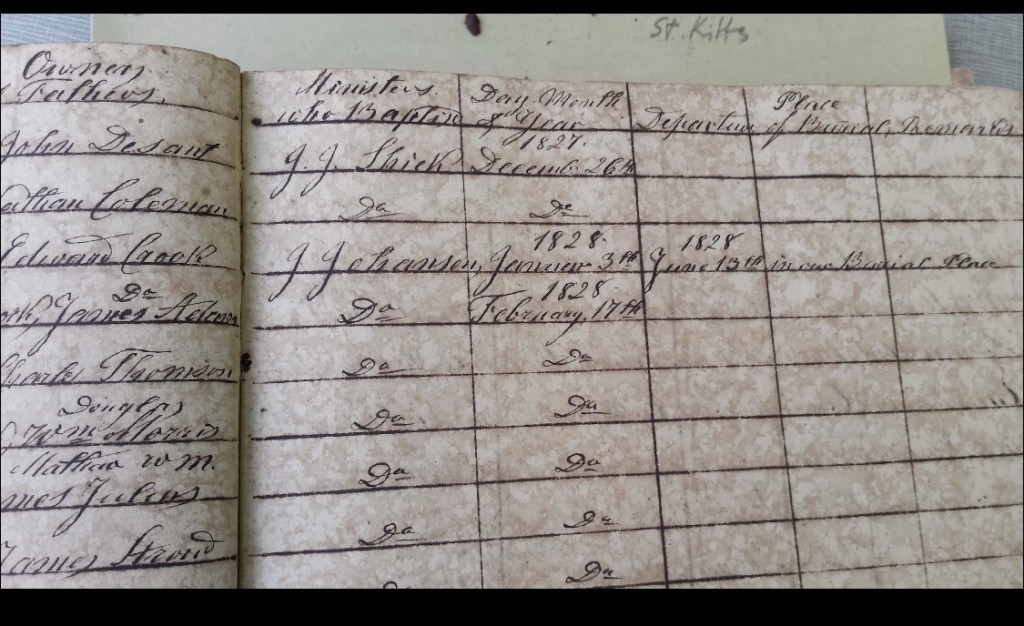
On March 27, 1856, in St. Kitts, W.I., Phebe married John James Adams (1827–1892). He was born enslaved on the Goldenrock Plantation. She was 32 years old. According to the Moravian Church Archives – Marriage Registry, Phebe’s occupation was listed as seamstress, a skilled trade that suggests both economic contribution and quiet resilience. Over the next 11 years, she would give birth to eight children, all in or around Basseterre, St. Kitts, and she would outlive all but one of them.

Her first child, Godfrey James, was born on July 14, 1856, in Basseterre, St Kitts, British West Indies. Less than a year later, he died on February 4, 1857, in the same place. He was not yet one year old.
Grief was followed almost immediately by new life. Samuel Hugh was born on July 30, 1857, and then George C. on September 20, 1858, in Basseterre, Saint George, St Kitts and Nevis.
On January 14, 1860, Phebe gave birth to a daughter, Constantia Elizabeth Helena, in Basseterre, St Kitts, British West Indies.

She died on May 26, 1860, before reaching her first birthday.
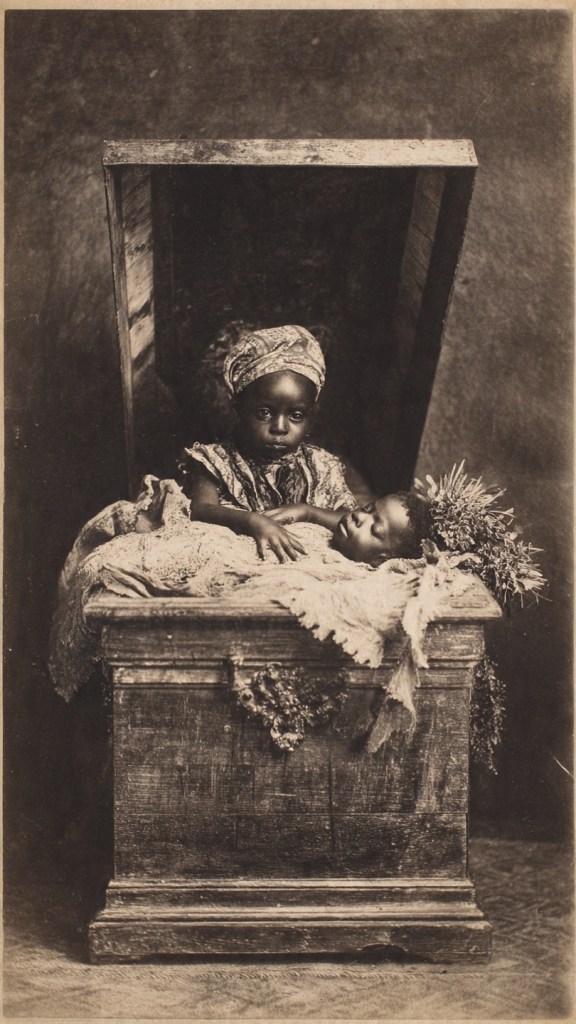
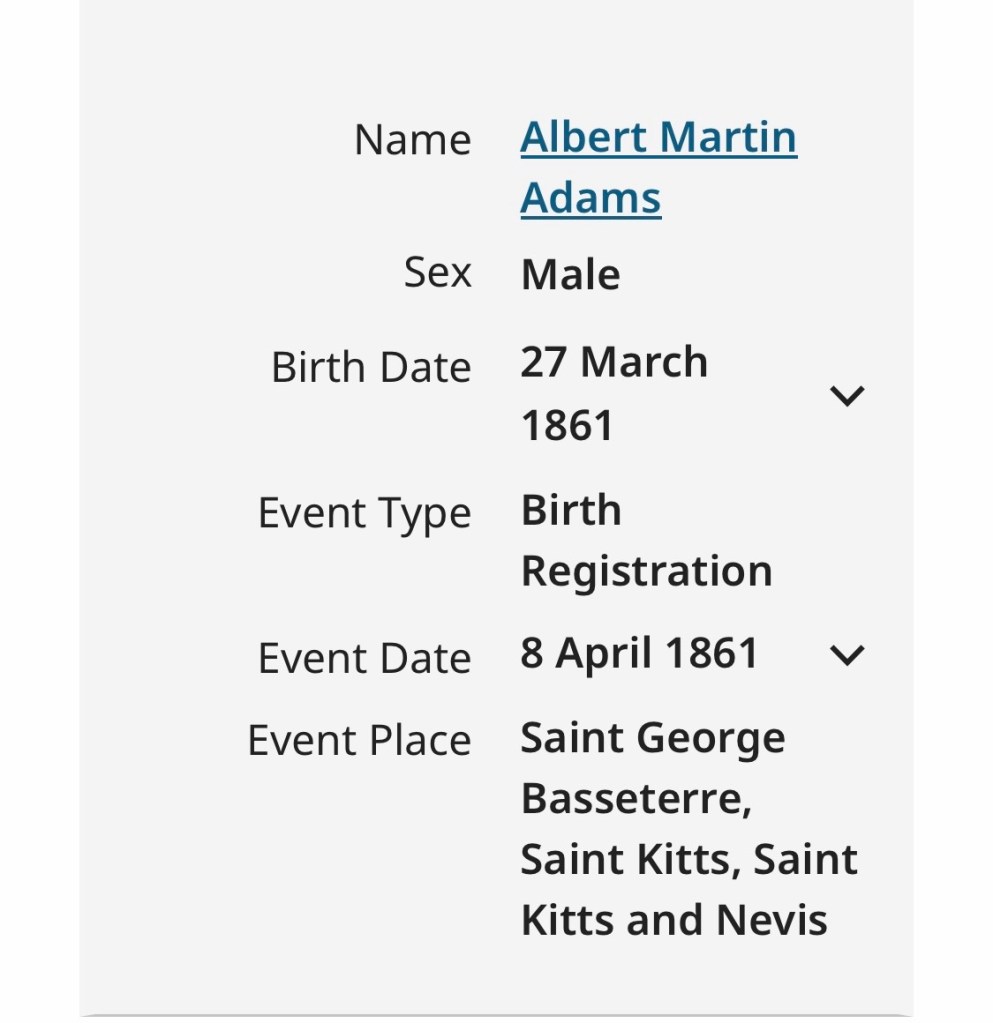
Another son, Albert Martin, was born on March 27, 1861, also in Basseterre. He died on May 31, 1862, at just 1 year old.
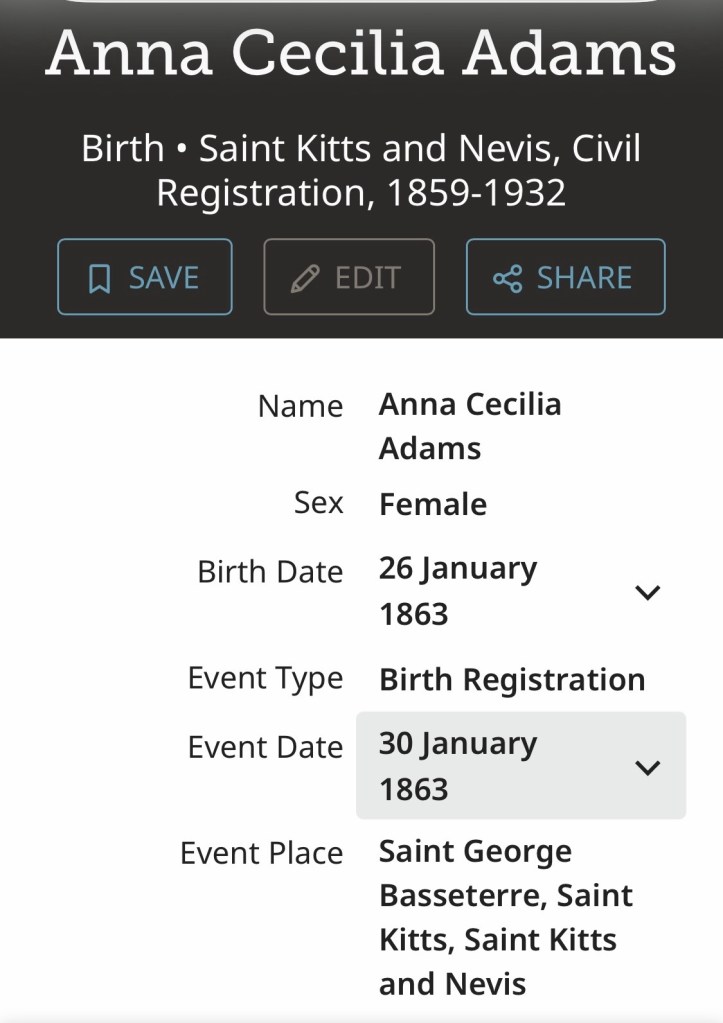
In 1863, Phebe welcomed Ann Cecilia, born on January 22, 1863. She died that same year on November 6, 1863, again before her first birthday.
Three years later came Caroline Ellen, born on August 19, 1866. She died on February 16, 1867, less than a year old.

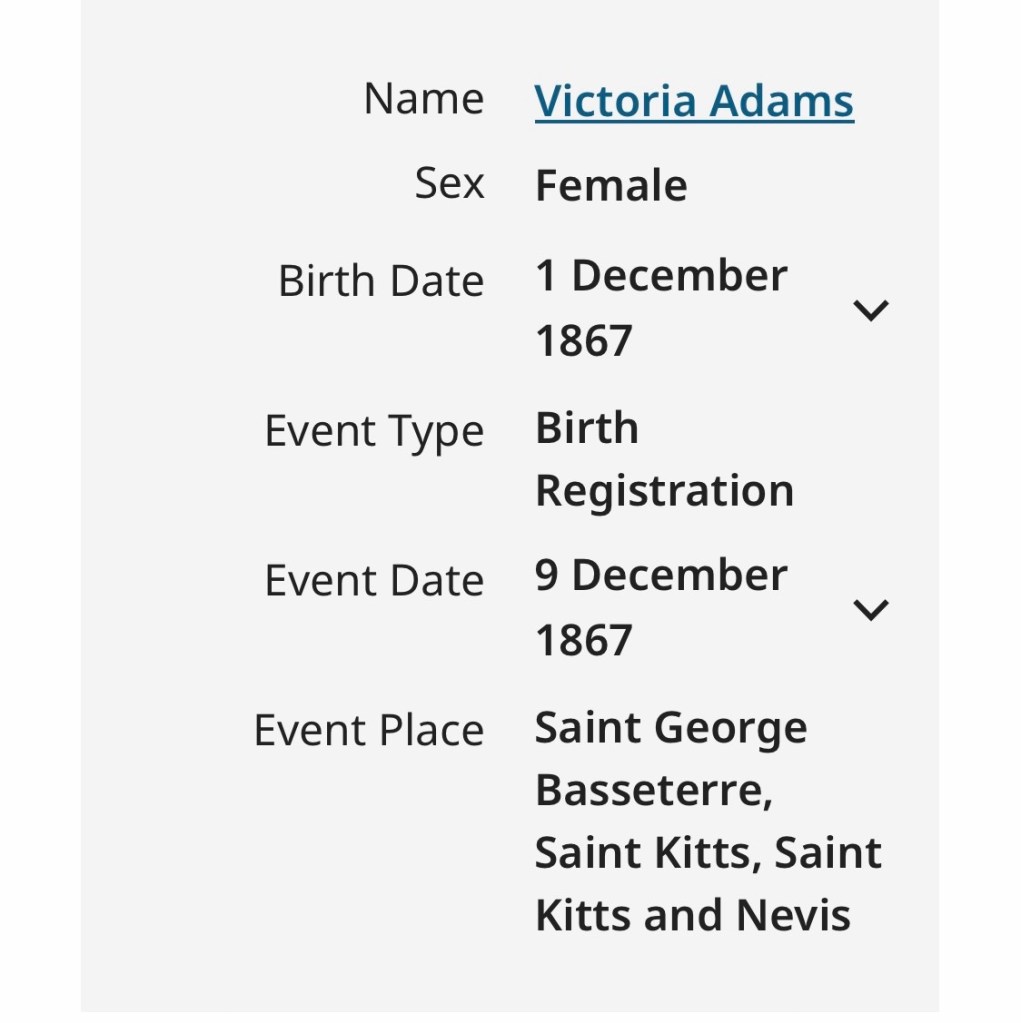
The pattern continued with heartbreaking speed. Victoria Louisa was born on December 1, 1867, and died just six days later, on December 7, 1867, in Basseterre, St Kitts, British West Indies.
By the end of her childbearing years, Phebe had buried six children in infancy, one in early childhood, and carried the weight of repeated mourning into her forties. The emotional toll is hinted at starkly in the Moravian Death Register, which noted that she had been “out of mind for a number of years.” Her death certificate lists the cause of death as phthisis (aka tuberculosis) and records her occupation at the end of her life as domestic. Her death was reported by John Adams, husband, at Backway, on Nevis Street, Basseterre.
Phebe Mac died on June 18, 1871, in Back Way, Nevis Street, Basseterre, St Kitts, British Indies.
Her death being recorded in “Back Way” or Nevis Street gives us documented proof that our family have lived on the same street for at least 155 years. I have a distinct feeling that the Adams clan moved to Nevis Street right after slavery was abolished in 1834. They might have walked down from Golden Rock Plantation and settled in that area where our family house “De Ark” is still located today. That would mean our family have been on Nevis Street continuously for 192 yrs. That’s almost 200 years in the same location!
Could cholera or yellow fever have caused the deaths of her children?
St. Kitts was no stranger to public health catastrophe in the mid-nineteenth century. One of the most devastating moments came with the cholera epidemic of the 1850s, which reached its deadly peak between November and December 1854. Nearly 4,000 people lost their lives in a matter of weeks, making it one of the worst medical crises the island had ever faced.
At the height of the outbreak, cholera claimed more than 100 lives a day, striking hardest in and around Basseterre. Communities were overwhelmed. Sanitation was poor, clean water scarce, and access to medical care limited—especially for working families like Phebe’s.
Although the major cholera epidemic occurred before most of Phebe’s pregnancies, its effects did not simply vanish. Disease lingered. Infrastructure remained fragile. Between 1868 and 1870, yellow fever cases were documented in St. Kitts, reinforcing the reality that illness was not an isolated event but a constant presence in daily life.

Across the Caribbean, the nineteenth century was marked by repeated public health emergencies, including the 3rd and 4th cholera pandemics, which moved rapidly through port towns and plantation societies. Infant mortality was tragically common, often caused by a combination of infectious disease, poor nutrition, unsafe water, and limited medical intervention. While no single cause can be definitively assigned to the deaths of Phebe’s children, cholera, yellow fever, tuberculosis, and other endemic illnesses all formed part of the lethal environment in which they were born.
Phebe Mac’s story is not only one of personal tragedy but also a window into a broader historical truth: emancipation did not bring safety, stability, or health equity overnight. Survival itself was fragile. Her life—marked by work, motherhood, grief, and illness—stands as a quiet testament to the endurance demanded of Caribbean women in the post-emancipation world, and to the many lives shaped, and shortened, by forces far beyond their control.
🌺🌸Buy me a coffee ☕️ please🌺🌸

Disclaimer: some images and content has been edited and generated by AI.

