Explore the everyday lives of my British ancestors—Winterhay, Miller, and Hodge—through history, imagination, and lineage, and reflect on ancestry, identity, and inherited memory.
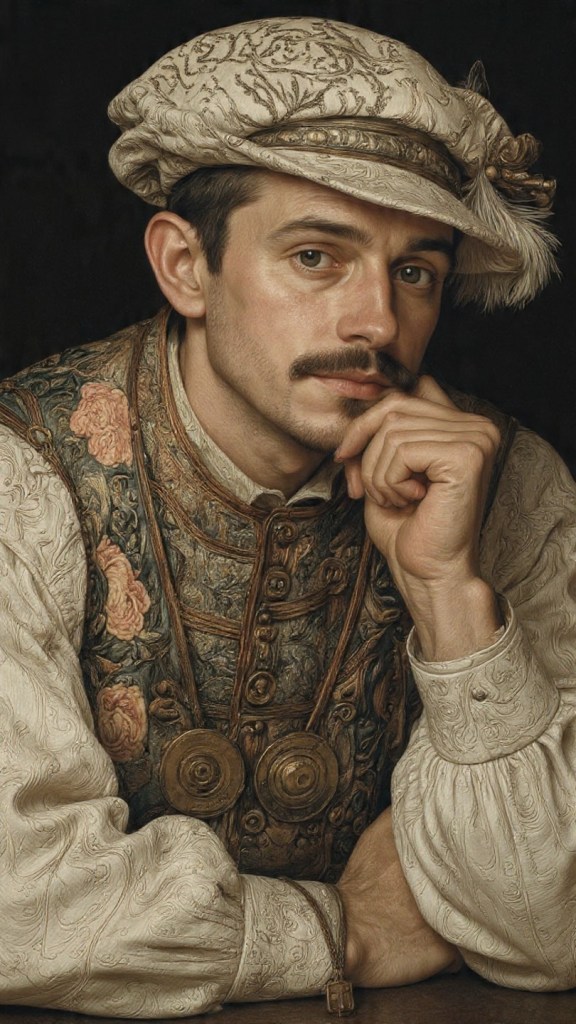
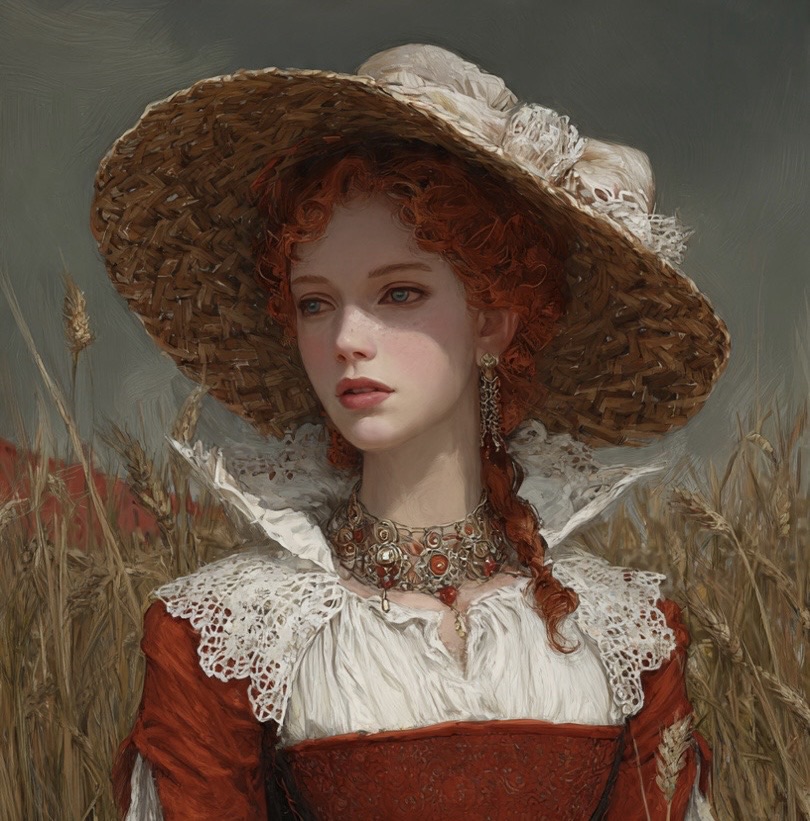
I’ve always wondered what my British ancestors looked like. I’ve wondered about their faces, their expressions, and the ordinary details of their day-to-day lives—the parts history rarely records. Below is a photo “album” of what I imagine they might have looked like, snapshots pulled together from time, place, and a little curiosity. I know they look nothing like me—lol. That 8% European admixture did not stand a chance against the 92% West African DNA.
Life in the 1500’s and 1600’s
“Life in 1500s–1600s Dorset moved at the pace of the land. Villages were small, close-knit, and mostly self-contained—stone cottages huddled around a church, fields stretching out in narrow strips, and roads that rarely carried anyone who wasn’t already known. Most people were born, lived, and died within a few miles of each other. Days were shaped by daylight, weather, and seasons, not clocks or calendars. Farming wasn’t a job; it was life itself, shared by men, women, and children who all worked because everyone had to.”
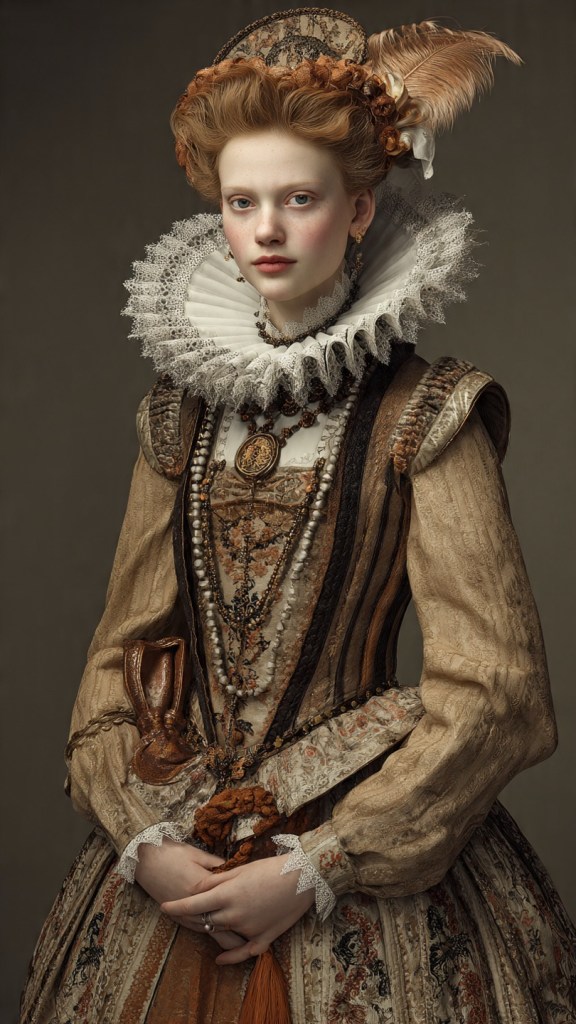
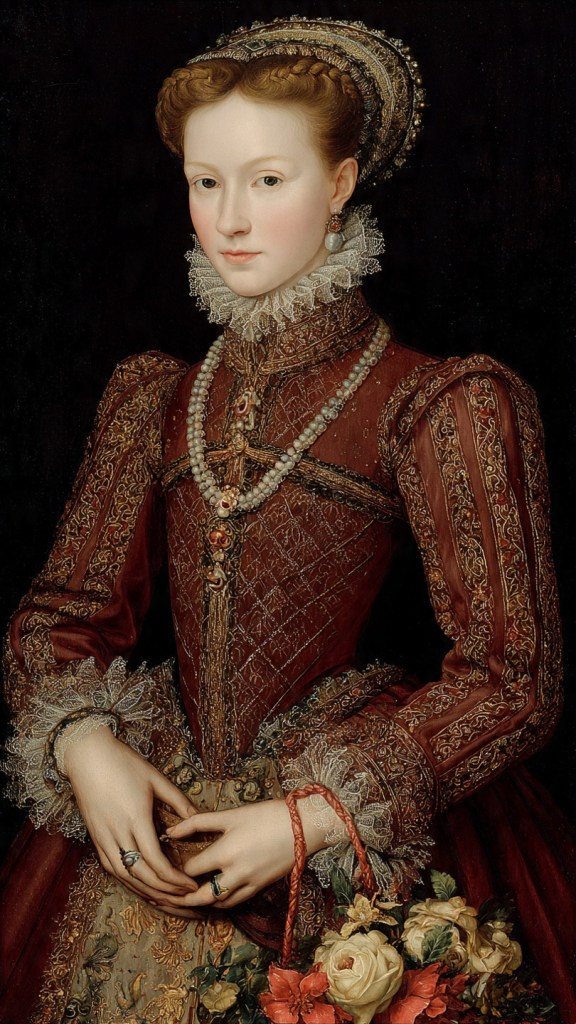
My 11th great- grandmother
B: 1580 • Frome, Dorset,
England
D: 1649 • Berrynabor, Devon, England
“Homes were cramped, smoky, and busy with generations living under one roof. Privacy didn’t exist, and neither did comfort as we know it. Illness came easily, death came often, and faith offered structure in a world with few guarantees. The church marked time, behavior, and belonging, even as the upheavals of the Reformation quietly forced people to adjust their beliefs depending on who was in power. Class lines were clear and mostly immovable—you knew your place by the clothes you wore, the land you worked, and the expectations placed on you.
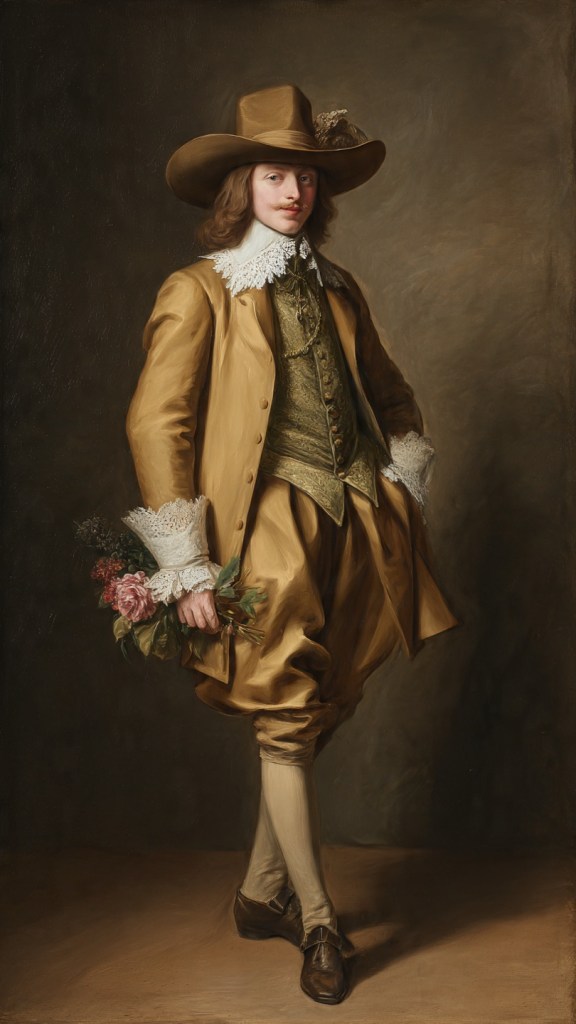
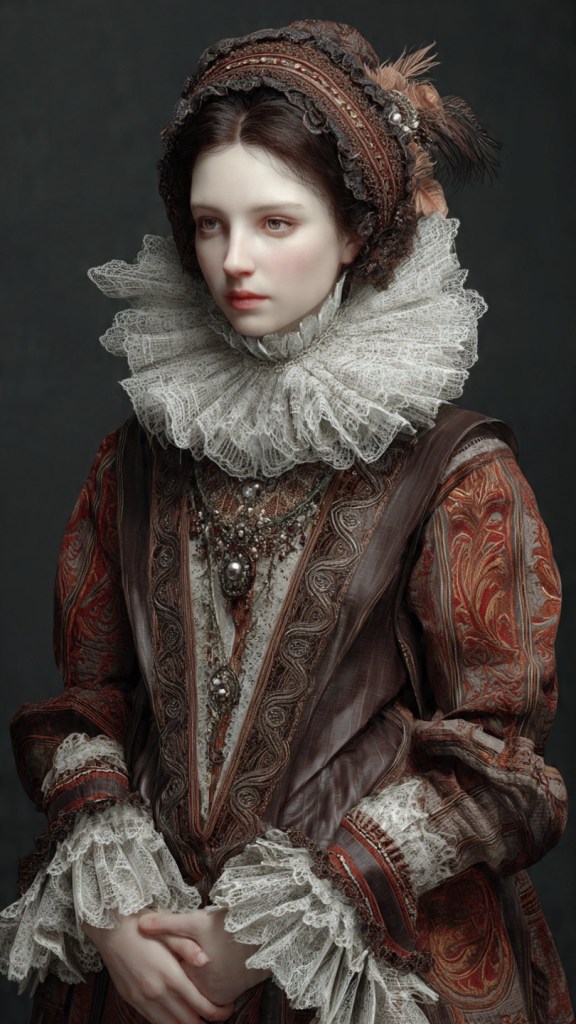
“By the 1600s, change crept in. Common lands disappeared, poverty grew, and national conflicts like the English Civil War reached even Dorset’s quiet corners. Still, life went on in deeply human ways. Neighbors depended on one another, shared labor and loss, and gathered when they could for markets or church festivals. These weren’t grand lives filled with drama, but they were steady ones—marked by endurance, routine, and resilience. Ordinary people, living quietly, carrying history forward without ever knowing they were doing it.”
It is oddly moving to see them this way. Even imagined, these faces represent people I directly descended from—people who worked, worried, loved, and endured long before I ever existed. There’s something grounding about that connection, about placing myself in a longer human story. Different faces, different worlds, same bloodline. And that, to me, is endlessly fascinating.
🌺🌸Buy me a Coffee ☕️ please🌺🌸

Disclaimer: images and some content AI generated.
LEARN U.S. HISTORY and LITERATURE WITH ME: