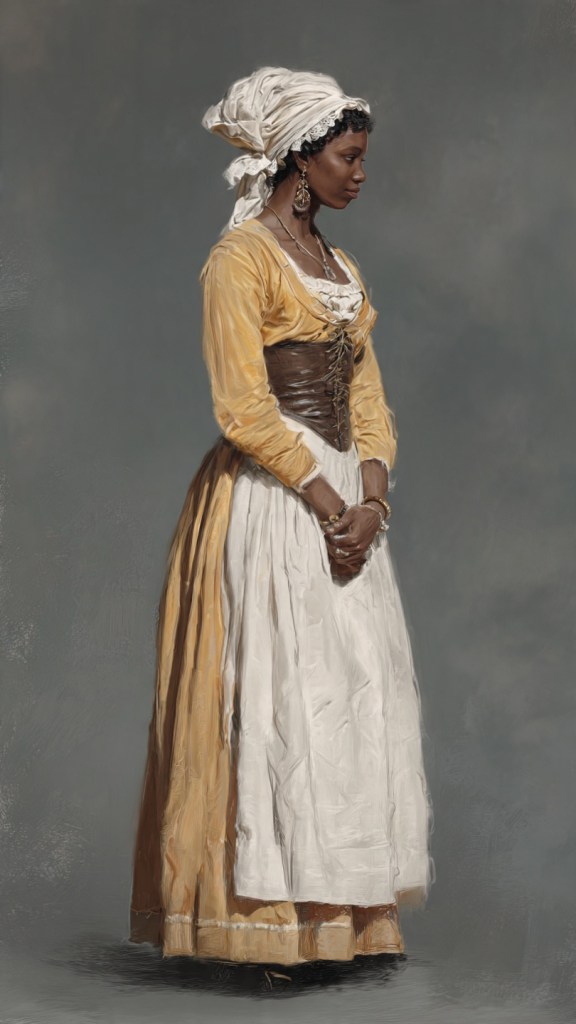
An in-depth historical exploration of Golden Rock plantation in St. Kitts, tracing the 1807 deed linking Sir William Templer Pole and Henry Combe Compton to absentee plantation ownership—and to the enslavement of my own ancestors Fanny Golden Rock, Old Fanny, and James Adams. Told through archival records and ancestral research, this powerful narrative uncovers the human cost behind Britain’s colonial wealth and the enduring legacy of slavery in the Caribbean.

There are moments in historical research when names that once felt distant become painfully personal.
For me, those names are John Mills of Woodford Bridge, Sir William Templer Pole and Henry Combe Compton—men tied to the ownership of estates in St. Kitts, and to the enslavement of my ancestors: Fanny GoldenRock, Old Fanny, and James Adams.
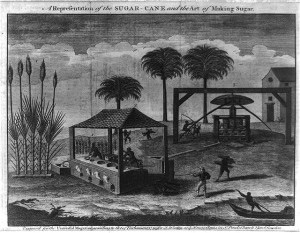
The Enslavers
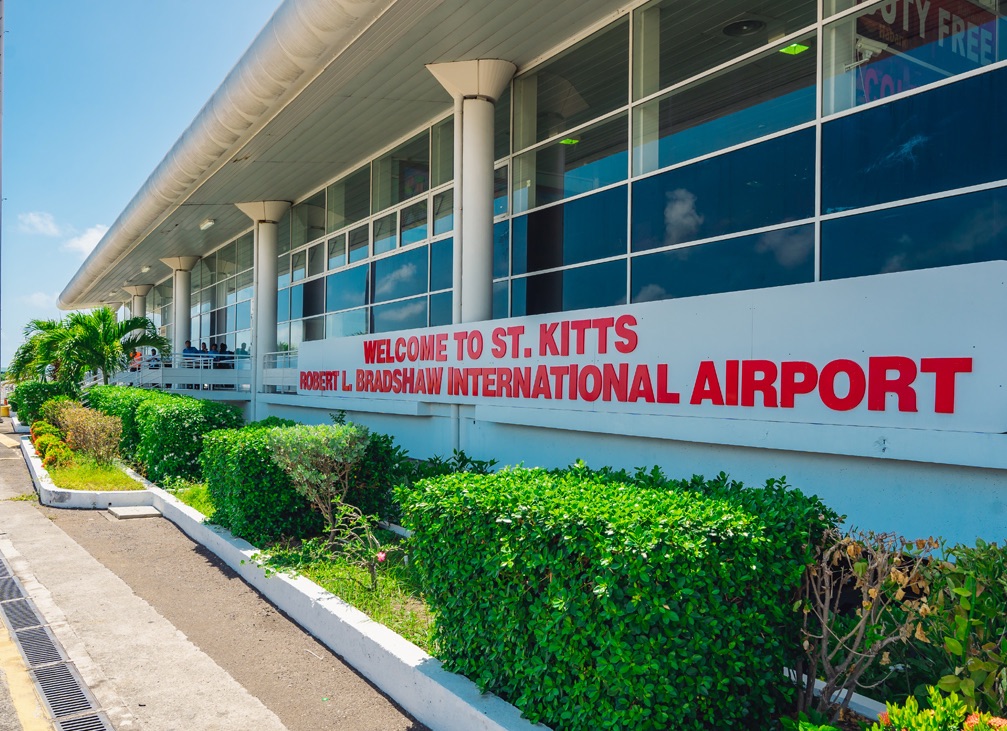
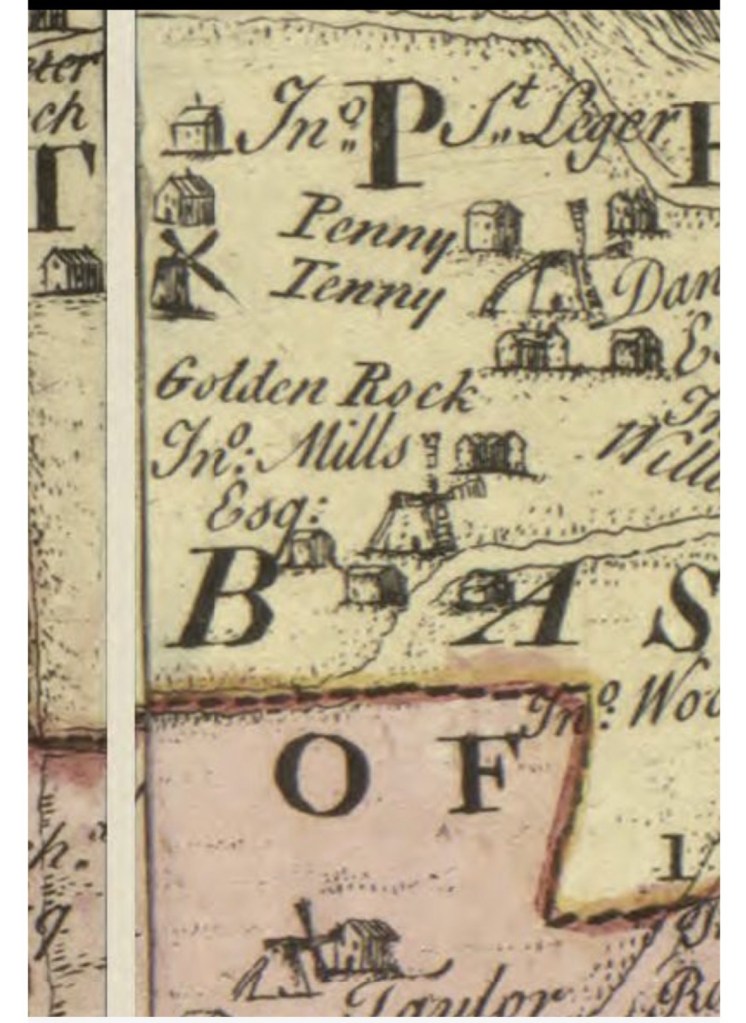
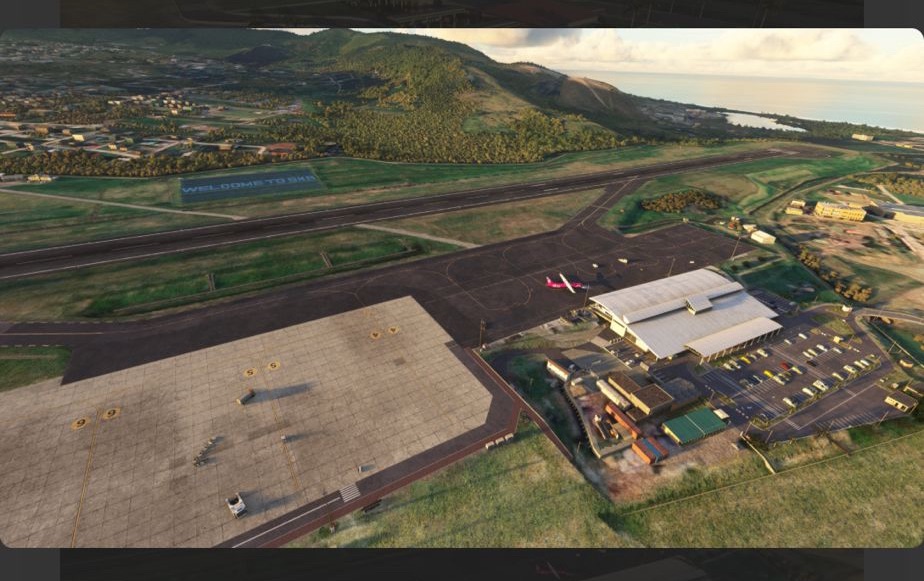
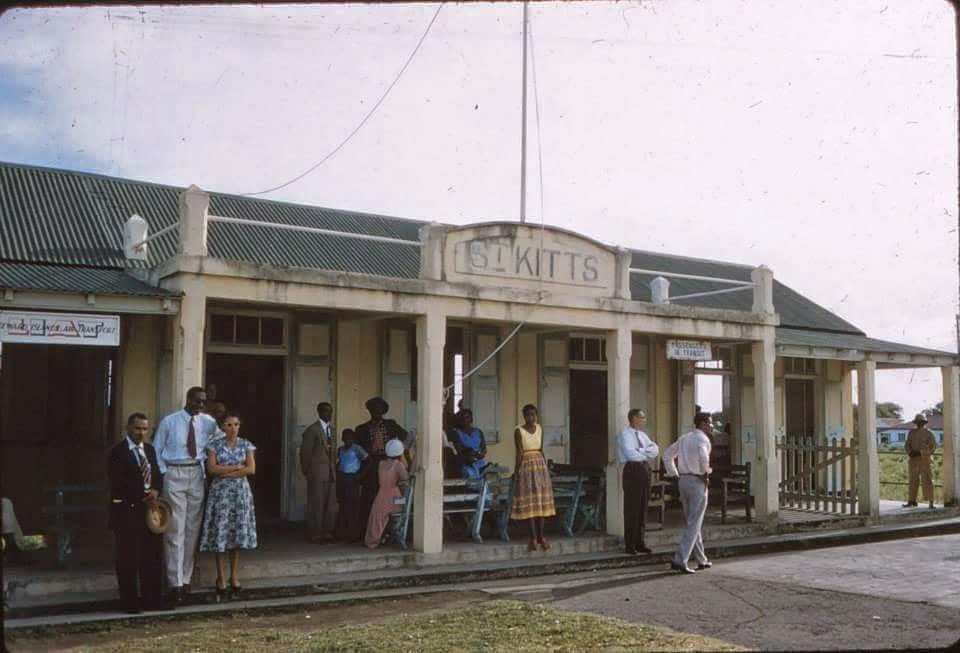
John Mills of Woodford Bridge was the Original owner of Goldenrock plantation in St.Kitts. This plantation was located where the current RLB Airport is now. He willed the property to his grandson: Henry Combe Compton. Compton was co-owner of the plantation with Sir William Templer Pole, 7th Baronet.
The record is clinical. The human cost is not.
William Templer Pole 7th Baronet
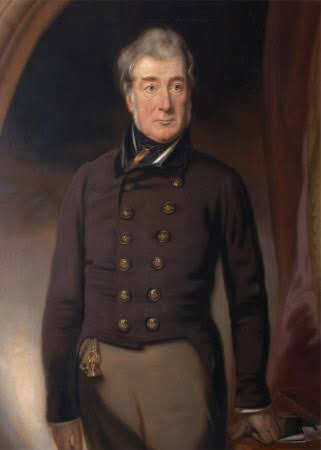
7th Baronet
Sir William Templer Pole, 7th Baronet (1782–1847), was born on August 2, 1782, and died on April 1, 1847, at the age of 64. He was the son of Sir John William de la Pole, 6th Baronet, and Anne Templer. Educated to distinction, he held the degree of Doctor of Civil Law (DCL) and served as High Sheriff of Devon from 1818 to 1819.
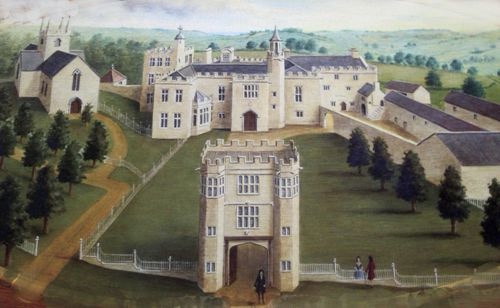
His primary seat was Shute House in Shute, Devon—a symbol of continuity, status, and inherited responsibility within the English gentry.
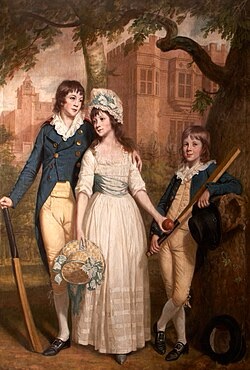
Henry Combe Compton
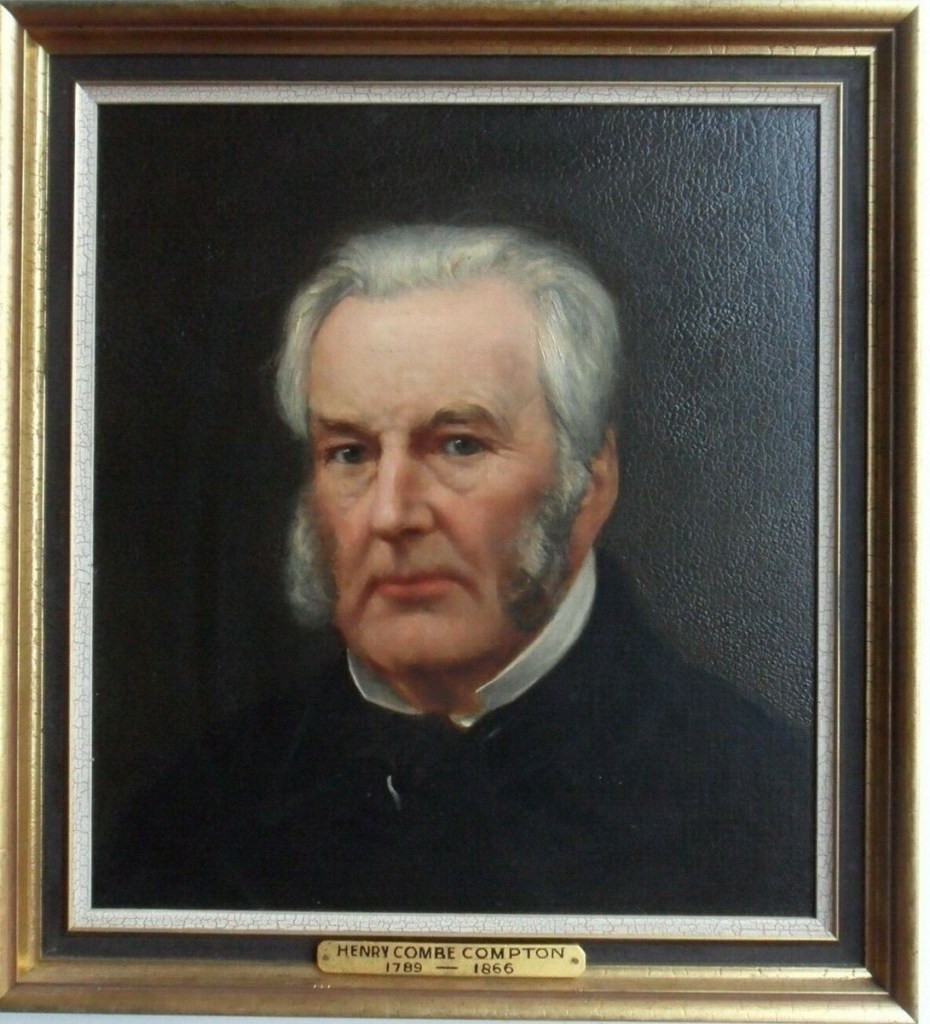
Henry Combe Compton (January 6, 1789 – November 27, 1866) lived at the intersection of land, politics, and tradition in 19th-century England. A British Conservative Party politician and prominent landowner, he served as a Member of Parliament (MP) for South Hampshire from 1835 until 1857, a tenure that placed him squarely within the shifting political landscape of Victorian Britain.
Henry Combe Compton moved in established circles. He later served as a Member of Parliament for South Hampshire from 1835 until 1857. Public office, landed wealth, and political authority defined the world these men inhabited. Their lives unfolded in Britain’s drawing rooms, county courts, and parliamentary benches.
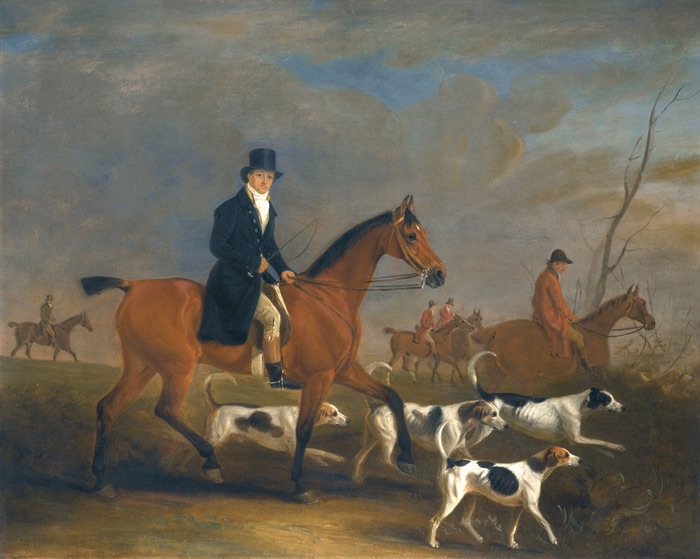
Yet their reach extended far beyond Hampshire and Devon.
Absentee Planters
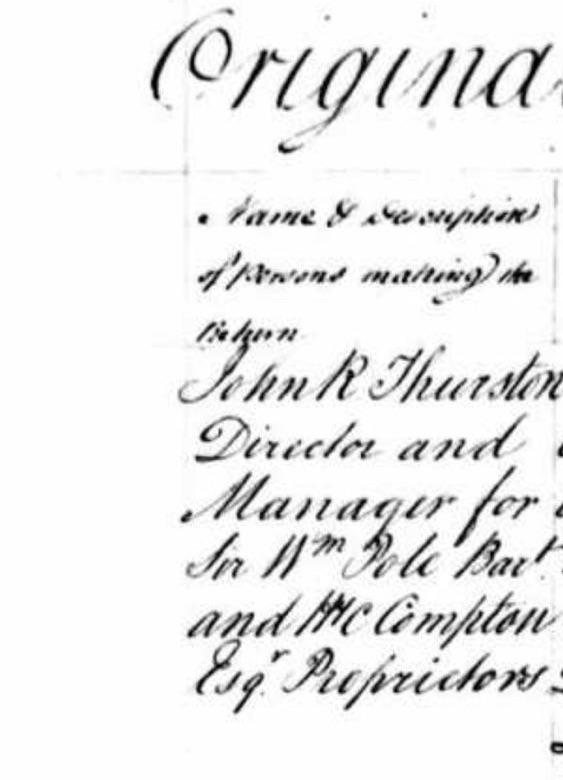
A deed of 1807 concerning estates on St Kitts namely Golden Rock. It lists Mills, also names as parties William Templer Pole; Scrope Berdmore and Andrew Drummond Berkeley, the executors of John Compton (q.v.), the father of Henry Combe Compton (Pole’s co-owner of the St Kitts’ estate); Pole’s uncle the banker George Templer; and two others.
The deed and archival citation are below:
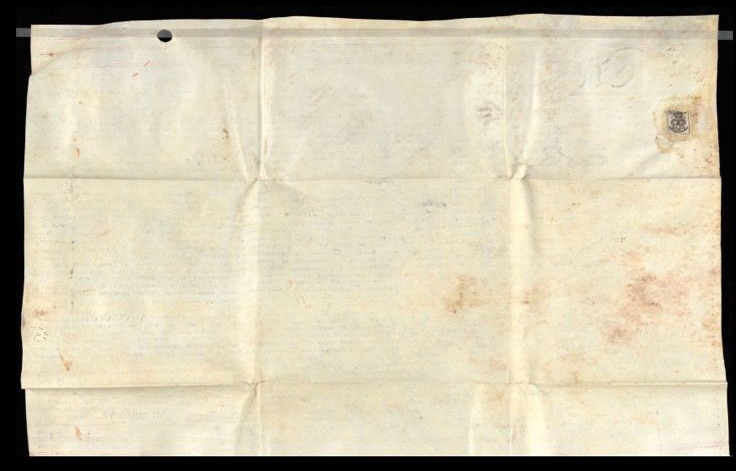
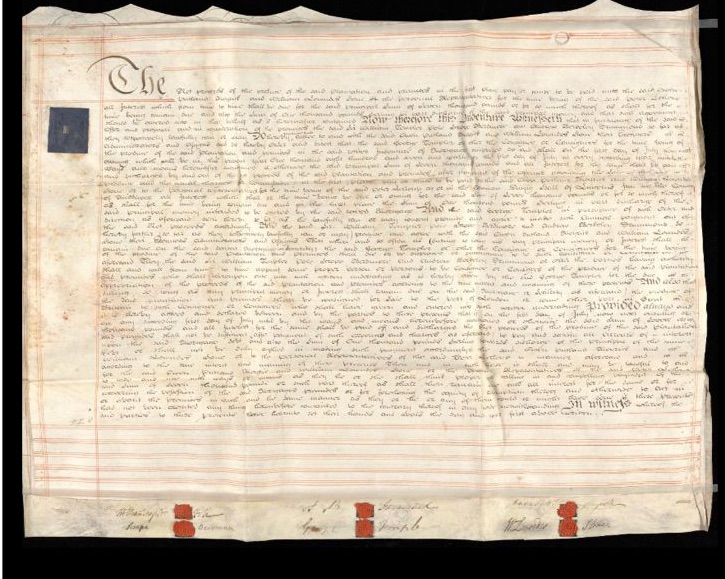
View Original Document here
https://archives.yale.edu/repositories/11/archival_objects/2192405
The language is formal, transactional, precise. It documents ownership, trusteeship, transfer of property. It also documents, indirectly but undeniably, control over human lives.
Among those named were Owen Putland Myrick and William Lowndes Stone [then known as William Lowndes], identified as the sons-in-law and trustees of Richard Garth [formerly of Morden Hall Park but now of Kensington, whose will was proved 02/07/1787, OB 11/1155/44]. No connection has yet been traced between Richard Garth and John Mills of Woodford Bridge, the original owner of Goldenrock plantation. John Mills willed the property to his grandson: Henry Combe Compton.
Ownership of Golden Rock Plantation
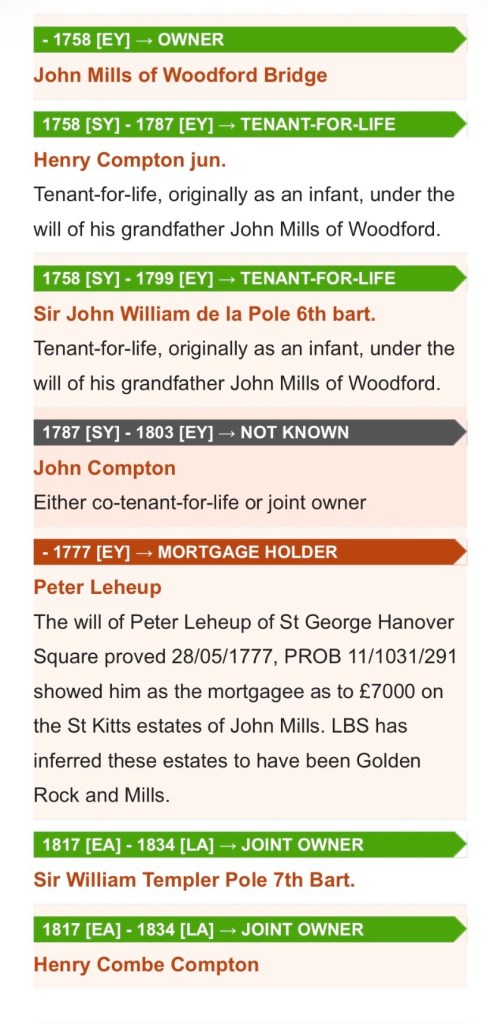
View Transactions Made by John Mills
https://www.ucl.ac.uk/lbs/estate/view/3419
These are the paper trails of empire.
Golden Rock plantation in St. Kitts was not simply land. It was a working sugar estate, sustained by the forced labor of enslaved Africans and their descendants. Every deed, every will, every trusteeship agreement represented the continuation of a system that extracted wealth from the Caribbean while embedding comfort and status in Britain.
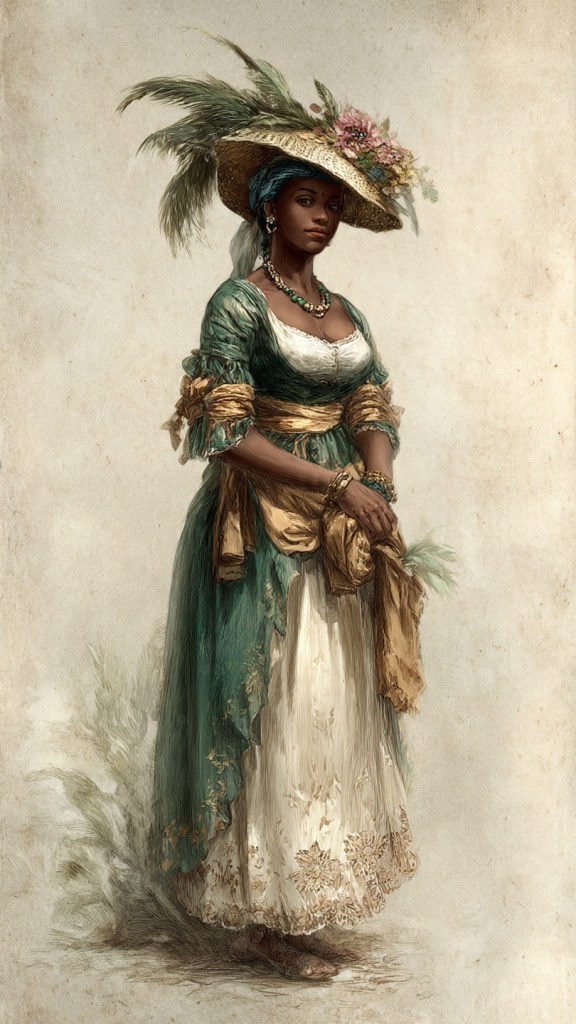
The distance between Hampshire and St. Kitts was measured in miles. The connection was measured in profit.
Absentee plantation ownership was not unusual. Estates in the Caribbean were frequently managed by attorneys and overseers while owners remained in England. So much so that our surname Adams was derived from the estate’s lawyer name that was Adamson. The arrangement allowed men such as Pole and Compton to maintain their positions within Britain’s social and political hierarchy, even as their wealth was tied to labor performed under coercion an ocean away.
Nowhere in the excerpted deed are the enslaved individuals listed by name. They appear only through implication, contained within the phrase “plantations and lands.” For my family, those unnamed lives were Fanny GoldenRock, Old Fanny, and James Adams. Their days were shaped not by parliamentary debates or county appointments, but by the rhythms of cane cultivation, the crack of overseers’ commands, and the constant negotiation of survival within bondage.
Here are some documents that do list the enslaved by name.
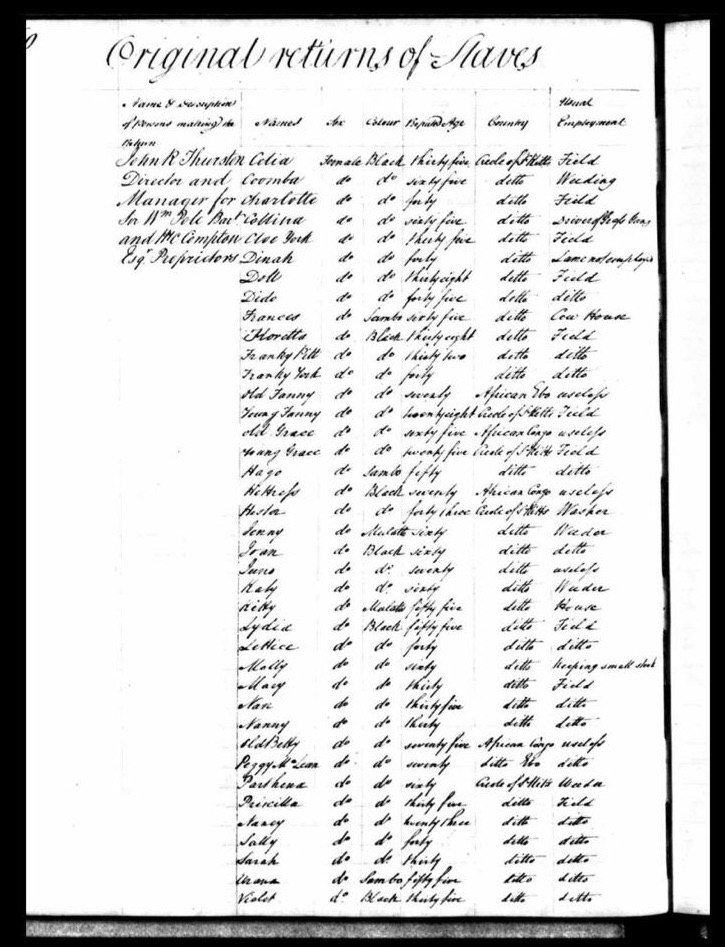
It is impossible to read such documents without imagining what unfolded simultaneously on Golden Rock. While signatures dried on parchment in England, children were born into slavery in St. Kitts. Families were formed and fractured. Work began before sunrise and ended long after dusk. Wealth accumulated in Britain; exhaustion accumulated in the Caribbean.
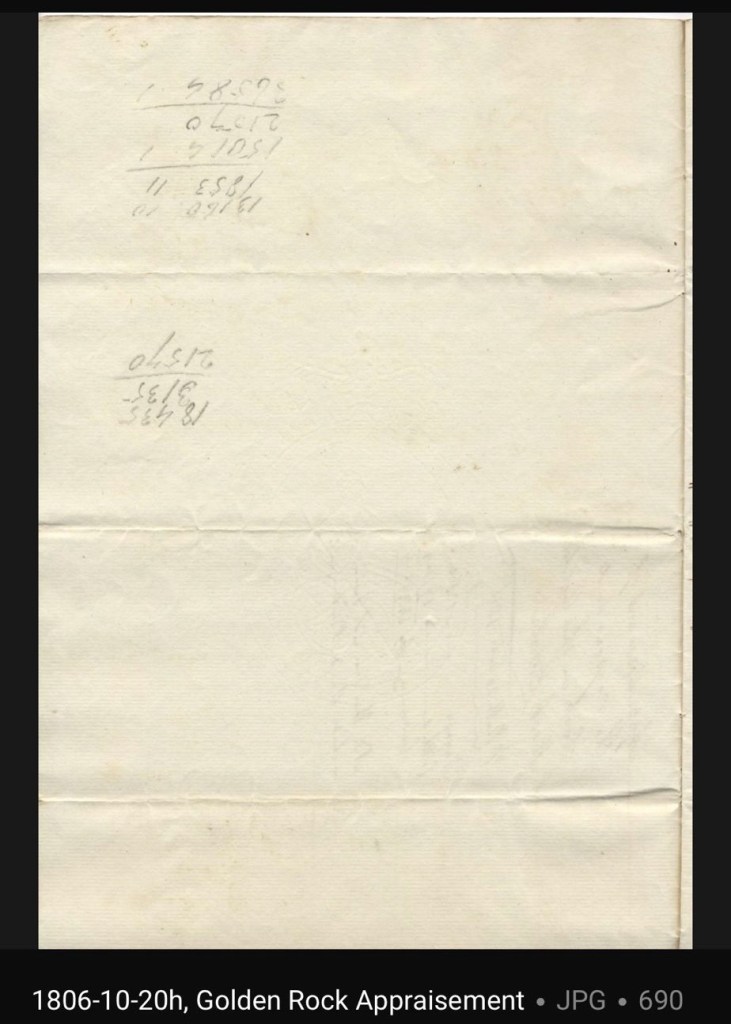
Below you will find “An Apraismemt of Negros and Stock on the Golden Rock Estate 1806”
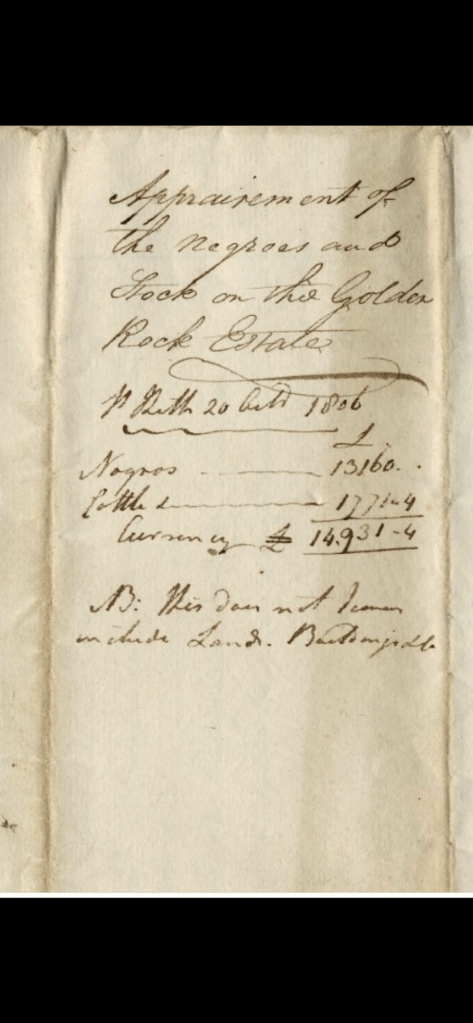
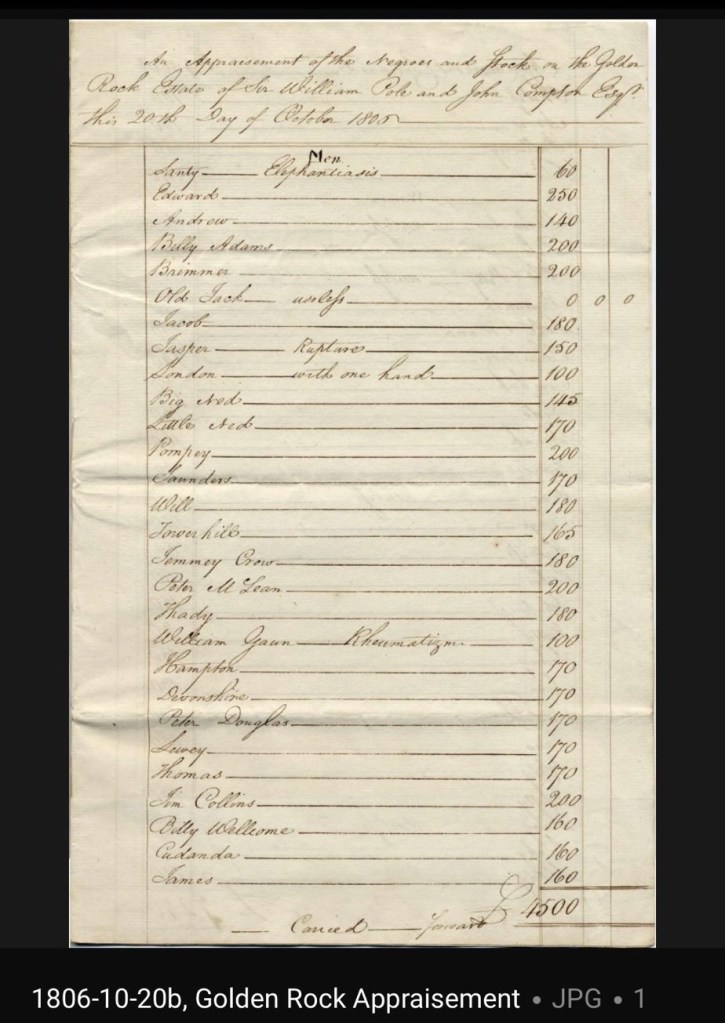
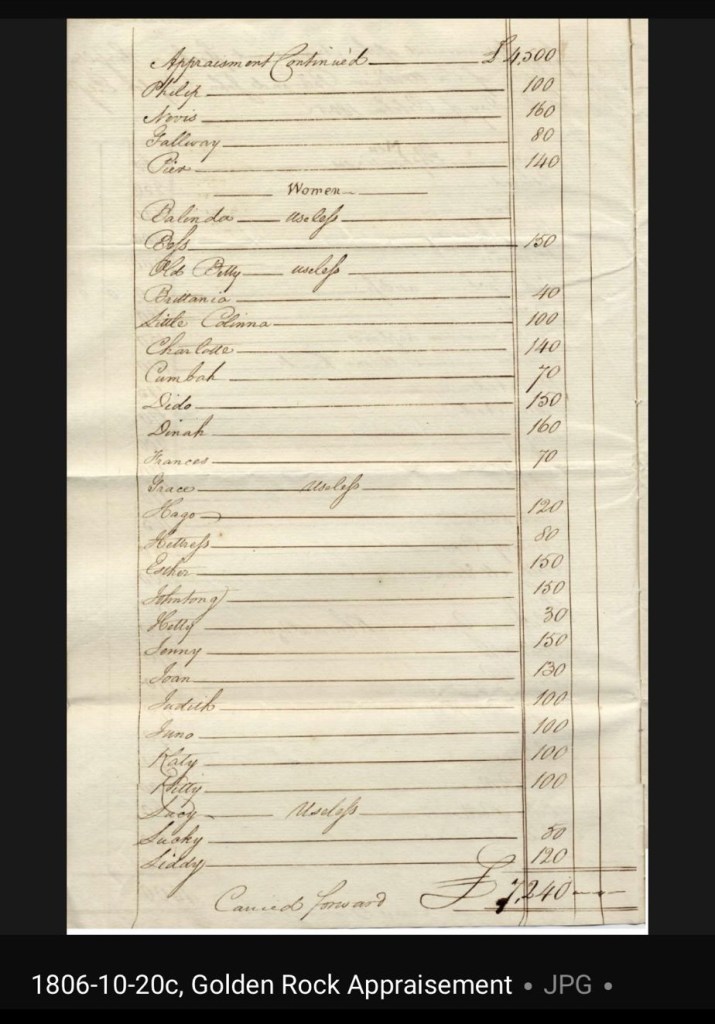
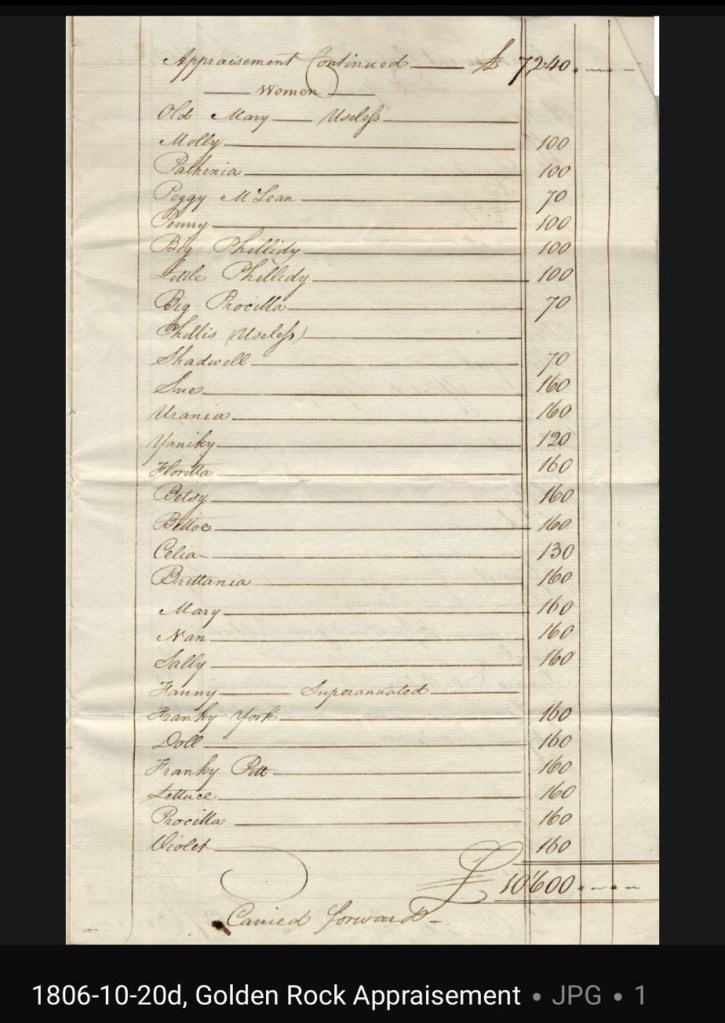
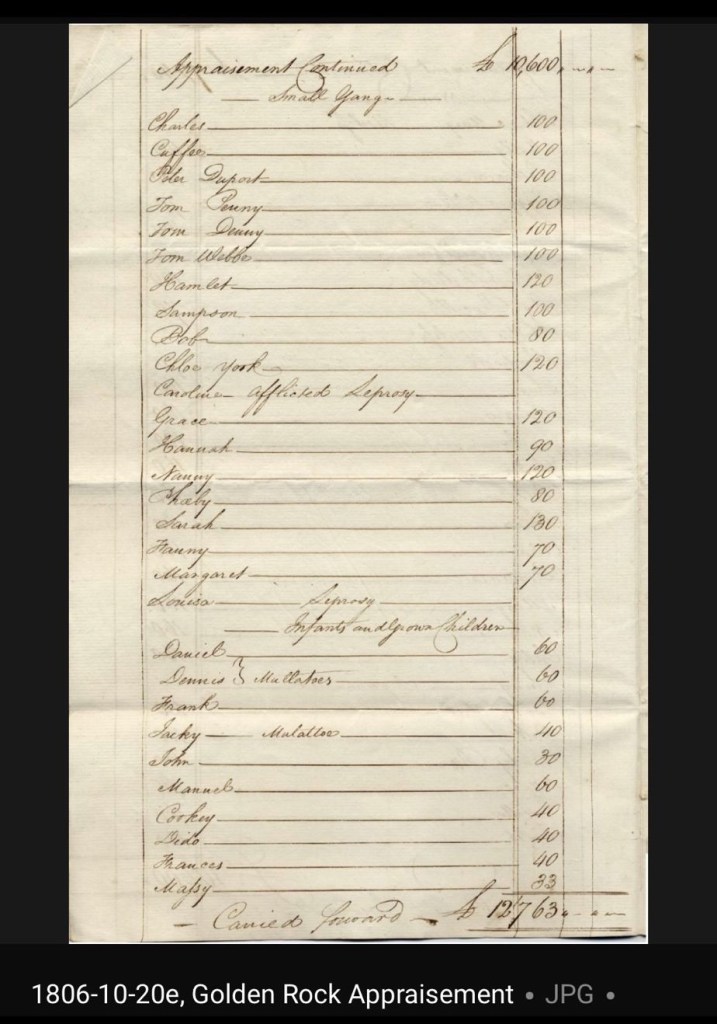
To trace Sir William Templer Pole and Henry Combe Compton through deeds and wills is to confront how thoroughly slavery was woven into Britain’s landed and political classes. These were not marginal figures operating in secrecy. They were baronets, Members of Parliament, trustees, and executors—men whose respectability was unquestioned in their own time.
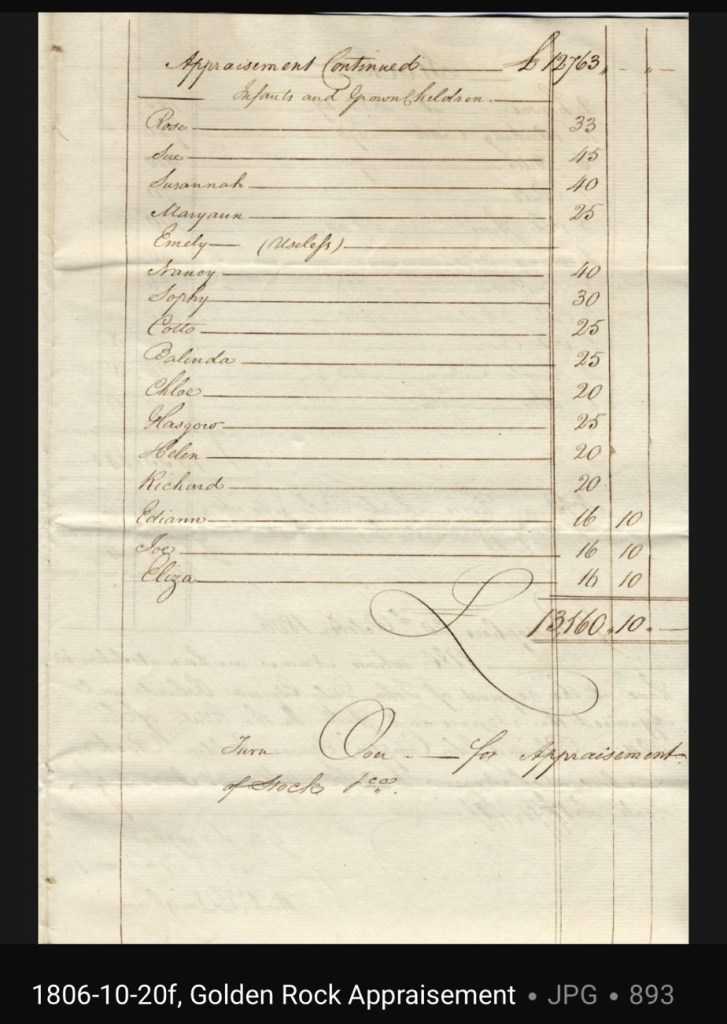
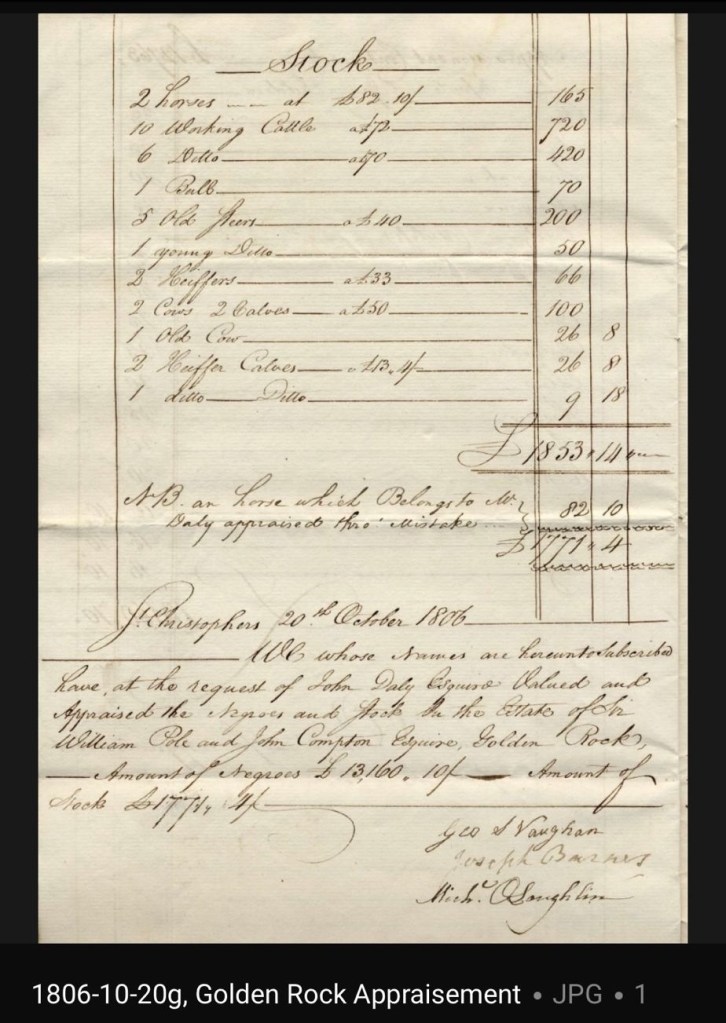
Acknowledging their role does not change the past. It clarifies it.
The polished rooms of Shute House and the cane fields of Golden Rock were part of the same economic system. The titles, the degrees, and the offices existed alongside, and were sustained by, the unfree labor of people whose names rarely appeared in ink.
The archives tell us who held the pen. The silences challenge us to remember those who had no legal standing to hold one.
This act of merging these stories—of placing Sir William Templer Pole and Henry Combe Compton alongside Fanny Golden Rock, Old Fanny, and James Adams—is not about collapsing history into accusation. It is about restoring proportion. It is about understanding that empire was not abstract policy, but lived reality.
This is not distant history. It is ancestral memory carried forward through records, fragments, and the determination to know the truth.
To Add Insult to Injury
In 1833, when Britain passed the Slavery Abolition Act, freedom came with a staggering financial transaction attached to it.
The British government paid approximately £20 million in compensation to plantation owners for the loss of their “property” (enslaved people) following the Slavery Abolition Act of 1833. That figure represented roughly 40% of the Treasury’s annual income at the time — an extraordinary portion of the national budget — and amounted to one of the largest government loans in history.
To put it plainly, the state went into debt to compensate enslavers.
The total payout of around £20 million was distributed through more than 40,000 awards to approximately 47,000 individuals and families. The recipients included wealthy aristocrats, absentee landlords, and some middle-class families. Many of them had never set foot in the Caribbean plantations that generated their wealth. Yet they were deemed entitled to financial redress for the loss of human beings they legally owned.
The enslaved themselves received absolutely nothing.
No land. No wages. No restitution for generations of forced labor, violence, and separation. Instead, many were compelled into a system of unpaid “apprenticeships” beginning in 1834, a transitional arrangement that bound them to their former enslavers for several more years under conditions that often closely resembled slavery.
Freedom, in practice, was delayed.
To fund the compensation scheme, the British government borrowed heavily. The loan taken out to pay slave owners was so large that British taxpayers did not finish paying it off until 2015. The financial afterlife of slavery extended well into the twenty-first century, quietly embedded in public accounts long after emancipation.
Modern estimates suggest that the £20 million paid in the 1830s is equivalent to approximately £16.5 billion to £17 billion today. It was an immense transfer of wealth — not to the people who had endured enslavement, but to those who had profited from it.
This reality reshapes how we understand abolition. The Slavery Abolition Act of 1833 was a monumental legal step toward ending chattel slavery in the British Empire. At the same time, it reveals a profound moral contradiction: the government recognized the financial loss of slave owners, yet placed no monetary value on the lives, labor, or suffering of the enslaved.
The ledgers were carefully balanced.
The justice was not.
Still We Rise
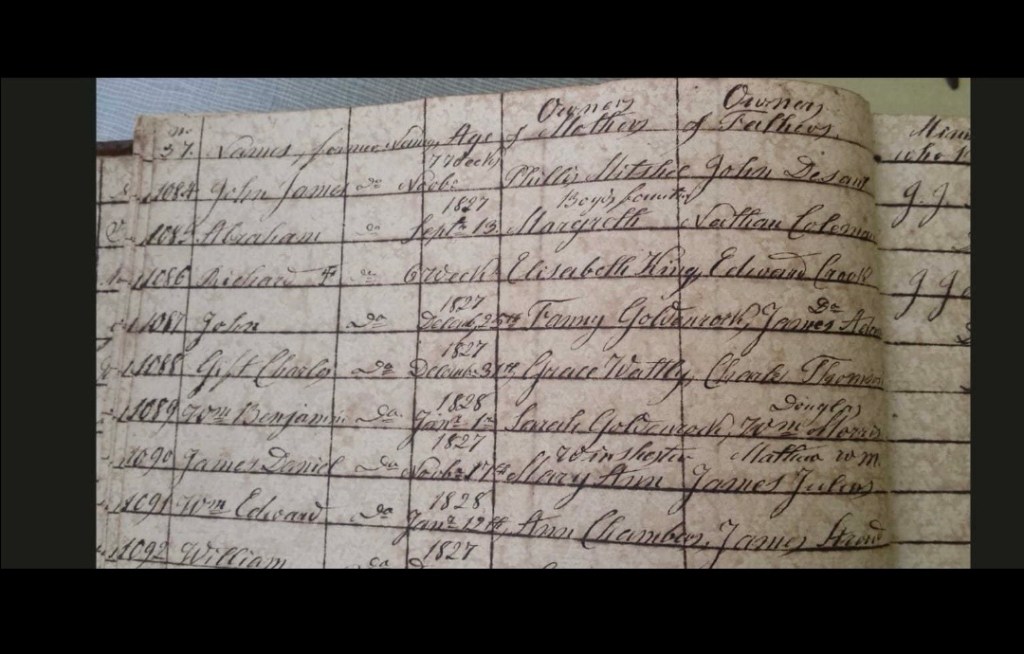

Today the Adams family is highly accomplished. We have five generations of college and university graduates. We have teachers, principals, doctors, nurses, engineers, lawyers, musicians, dancers, oh do we have singers, bankers, we have it all. Ask anyone and they will tell you that the Adams from up Nevis Street (where our family have resided for over 155 yrs) have brains. It’s very difficult to read the names of your ancestors and just imagine the hardship and toil under the hot Caribbean sun in those sugarcane fields. However, God sustained us and we are HERE! We are our Ancestors wildest dreams come true.
With this all being said it is high time to open up the conversation about REPARATIONS. We deserve to be compensated for the labor our ancestors put in to build these people’s generational wealth that they continue to profit from and pass on to THEIR future generations. Their portraits hang in museums but my ancestors fight hangs in our hearts.
Ase

Golden Rock Plantation