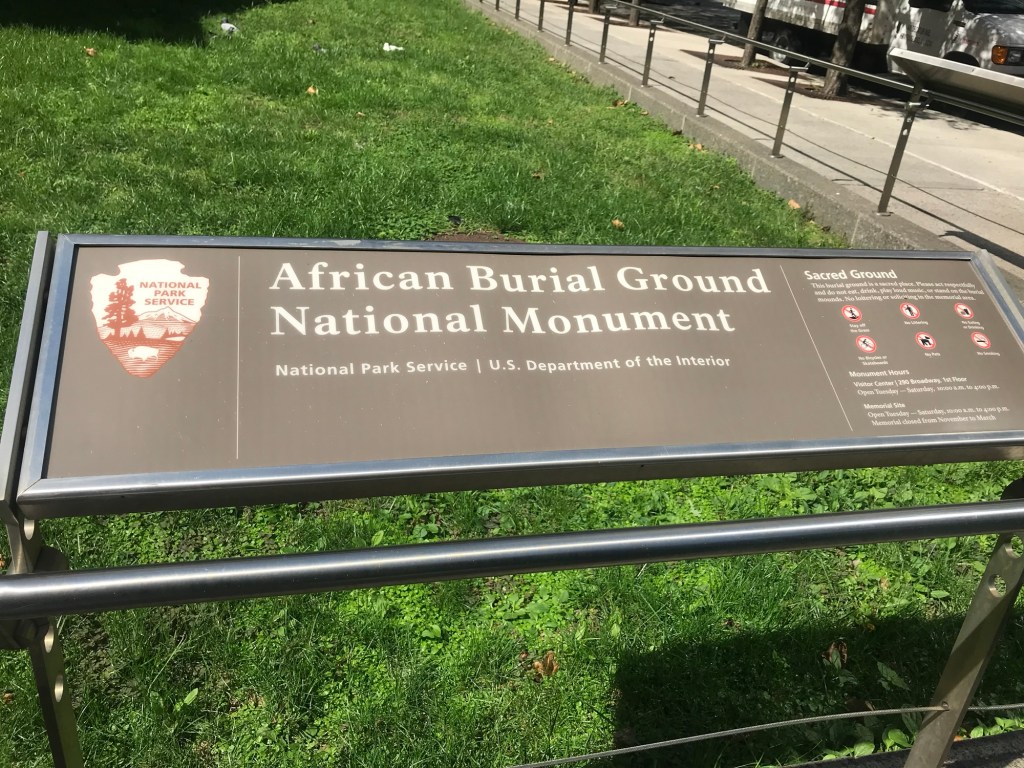
A moving reflection on visiting the African Burial Ground reveals how New York’s foundations are rooted in resilience, memory, and truth.
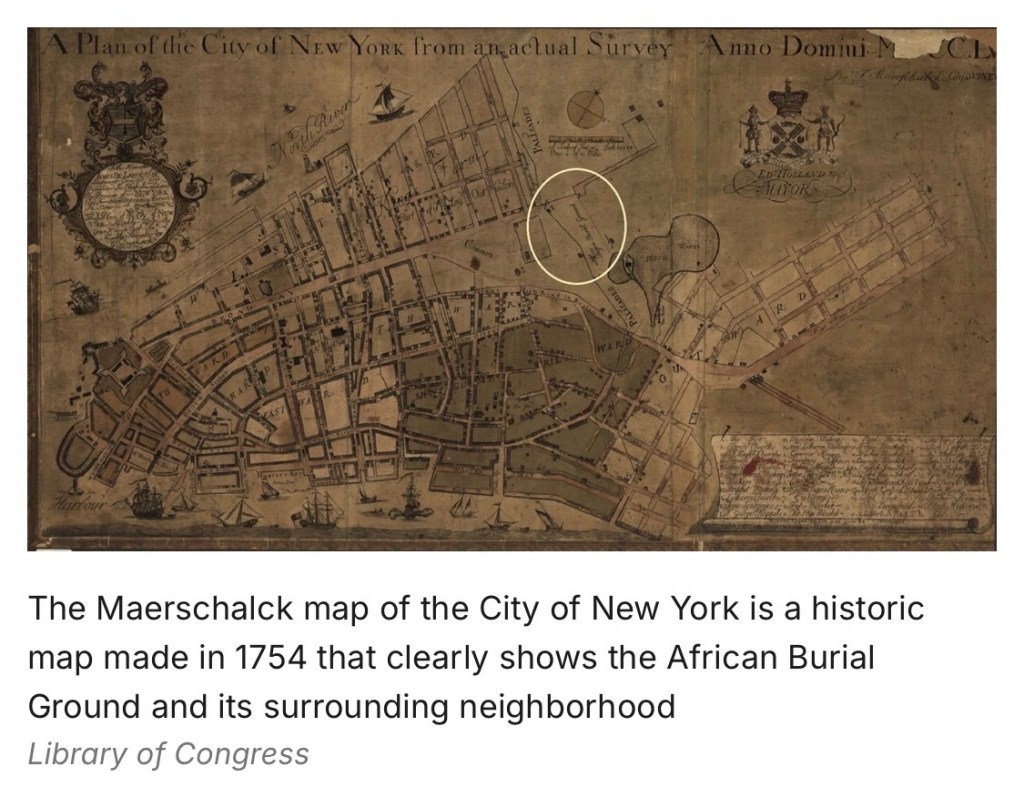
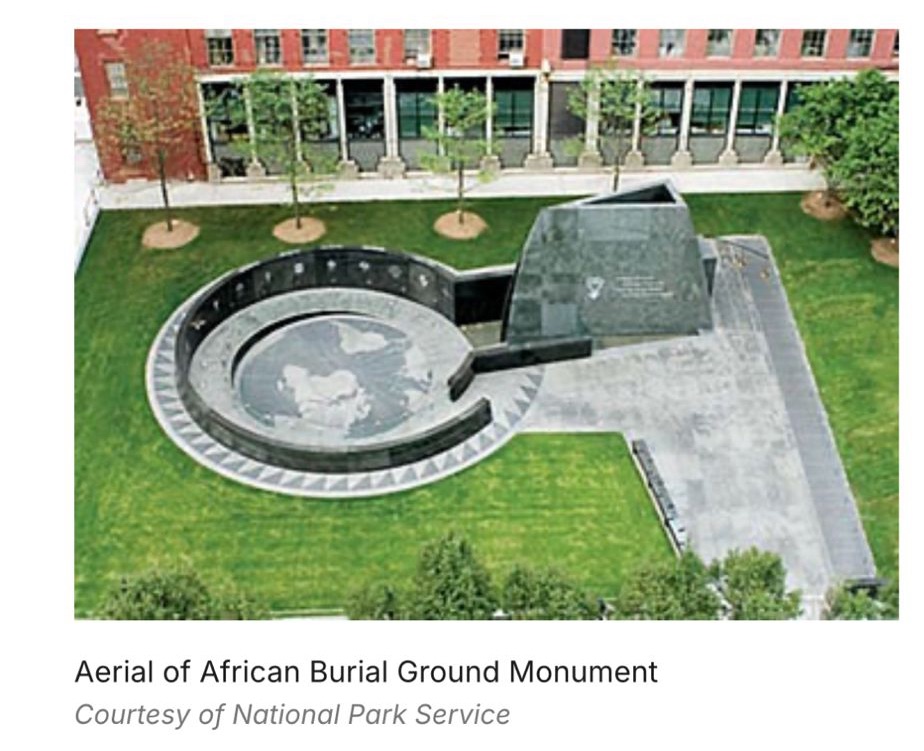
The African Burial Ground National Monument is a sacred historical site in Lower Manhattan that honors the memory of both free and enslaved Africans in colonial New York. Once spanning approximately 6.6 acres. It is the oldest and largest excavated burial ground of its kind in North America, with an estimated 15,000 individuals interred there during the 17th and 18th centuries. Beneath the streets of modern Manhattan lies a powerful reminder of who built the city—and at what cost.
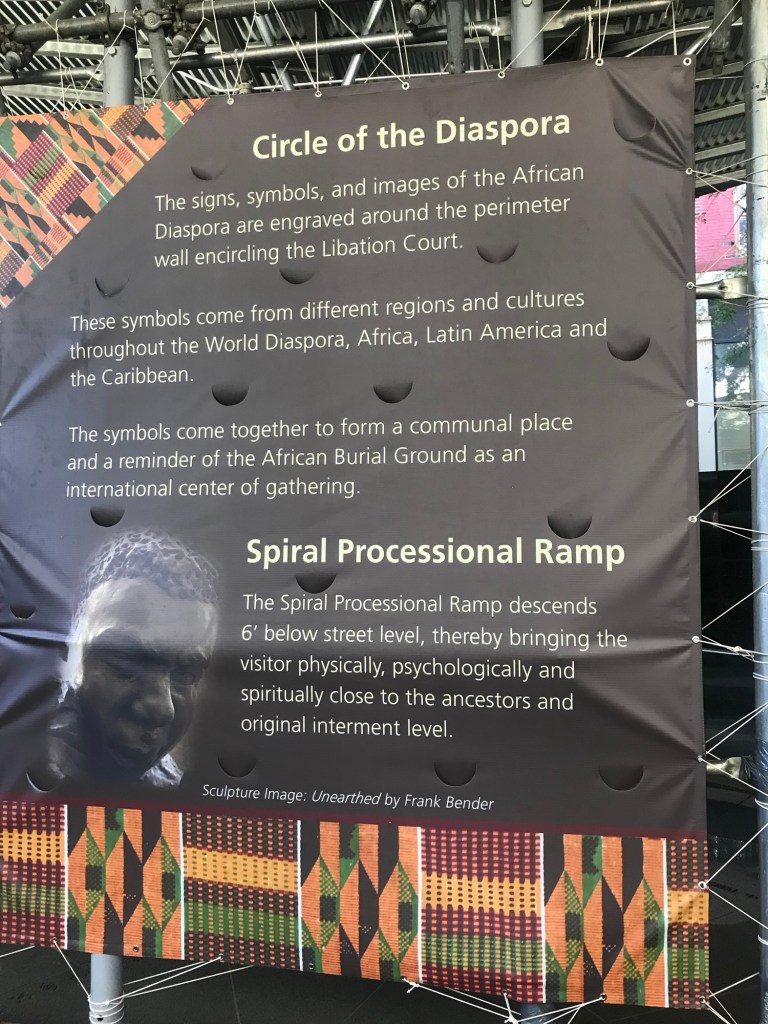

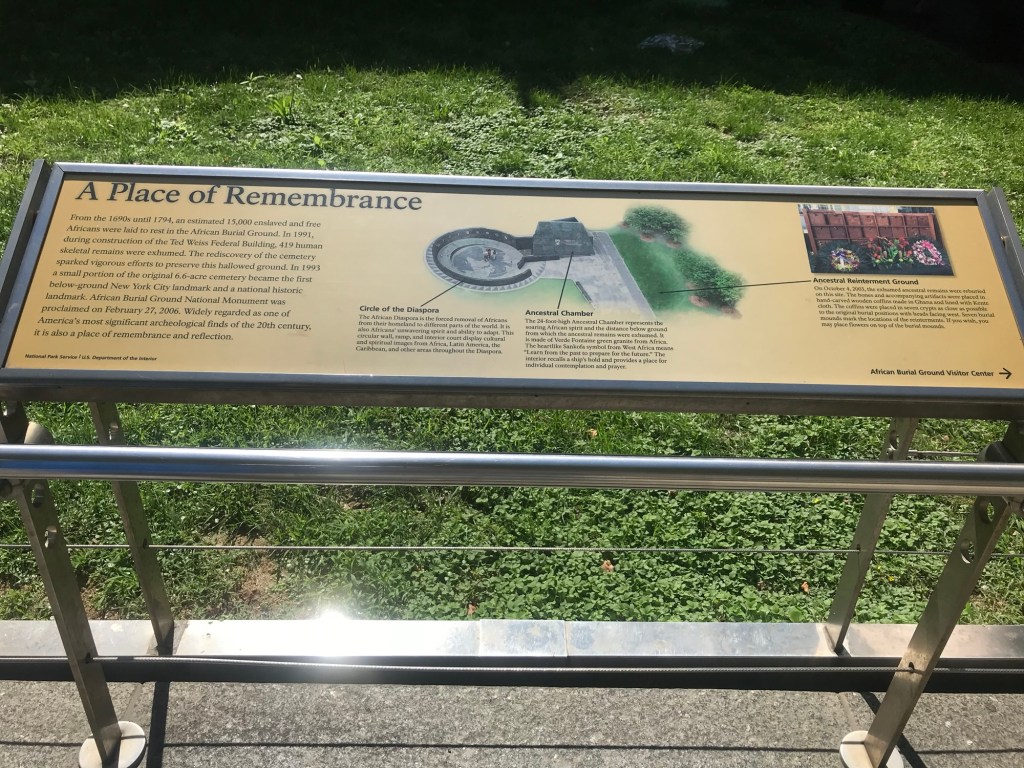
Circle of the Diaspora
The burial ground was rediscovered in 1991 during construction of a federal office building at 290 Broadway. What began as a routine development project quickly became a reckoning with history. Archaeological excavations recovered the remains of 419 men, women, and children, offering critical insight into the lives, labor, and humanity of Africans whose forced work helped lay the foundations of New York City.
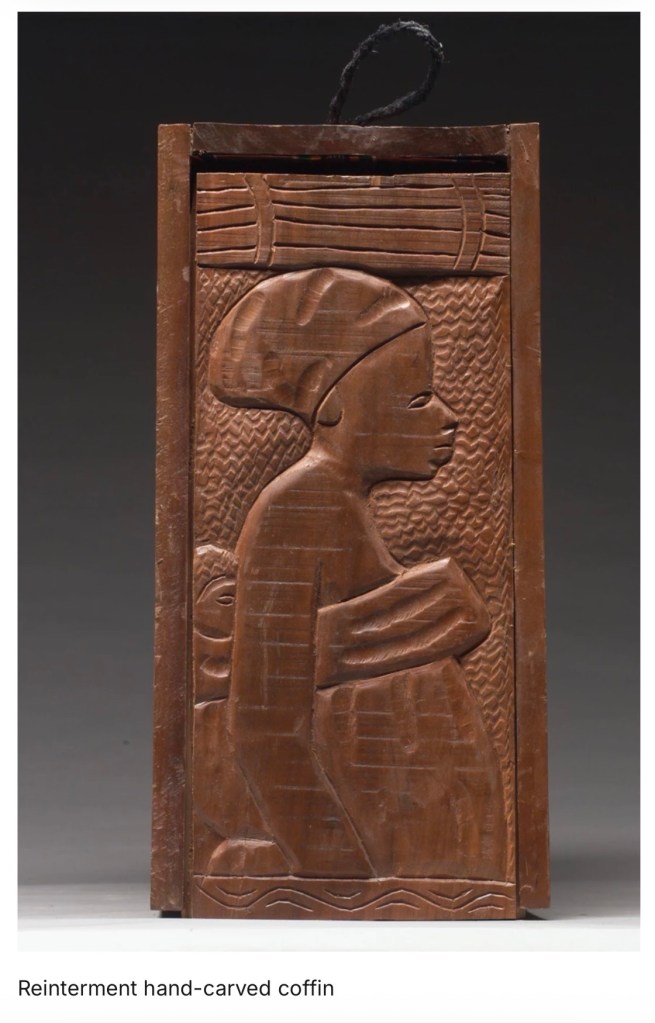
After years of community activism and protest demanding respect and preservation, the site was officially designated a National Monument on February 27, 2006.
Personal to Me
I visited the African Burial Ground one day in early September 2018. It was a nice, sunny, crisp day. Summer was still hanging on. I took my son down on the train after his lacrosse practice in Harlem. I arrived prepared to be educated. However, I was not prepared to be so moved.
Whenever we visit museums, parks, or monuments, I have a rule: I encourage my son to read everything out loud to me. He always asks, “mommy what is this?” and I always reply, read it to me and let us both find out together. That day, Aiden was mid-sentence when I completely lost it. I broke down and cried.
The heaviness of the moment and the weightiness of the space overwhelmed me. I cried from beginning, middle, and end. I could feel the ancestors all around me, whispering loudly, “WE SUFFERED”. The clarity of it startled me—their voices felt unmistakable, present, and insistent.
In reverence, I granted myself a moment of silent reflection. Then, even louder than before, the ancestors quietly asked me to “go and tell our story”.
That is why I’m here. That is why I write. To tell their story and the story of many of the nameless and voiceless who came before me. Whether joined by bloodline or not, their story will be told!!!

Today, millions of people rush past Lower Manhattan every day—late for meetings, scanning phones, chasing trains—often unaware that beneath their feet rests sacred ground. The African Burial Ground reminds us that New York was not only built on ambition and immigration, but also on bondage, resilience, and unacknowledged suffering. The city’s skyline may reach upward, but its roots run deep.
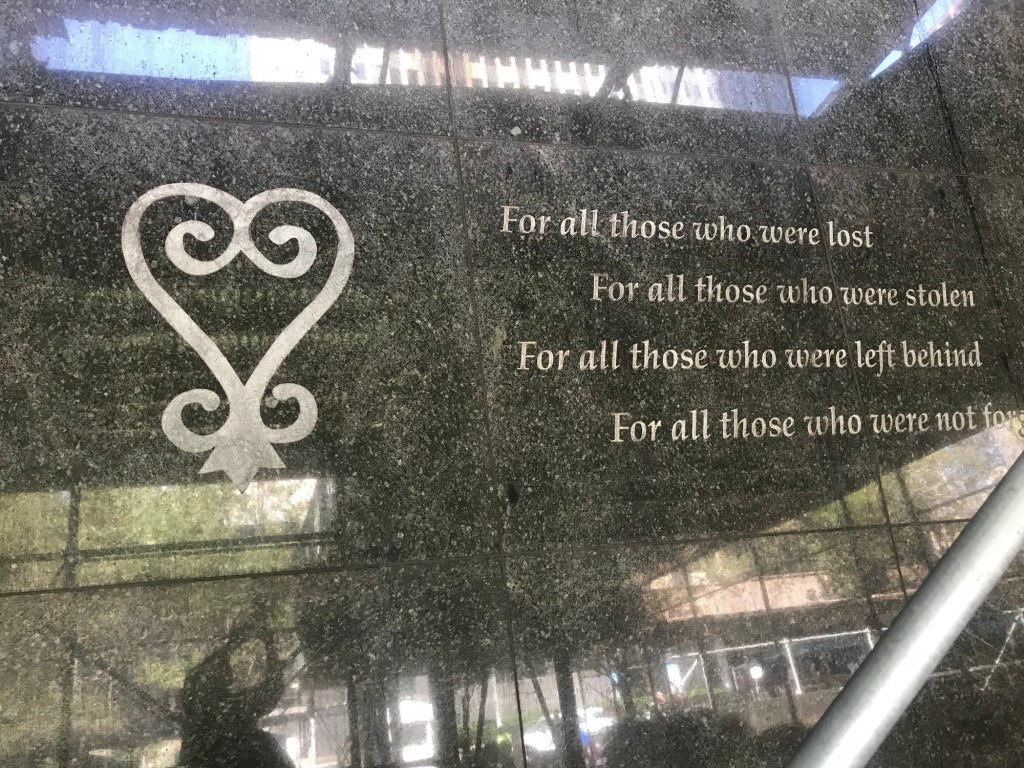
In a place that prides itself on reinvention, this site insists on remembrance. It asks modern New York to slow down, to listen, and to reckon honestly with the lives that made its prosperity possible but were denied its promises. The ancestors buried here do not ask for guilt; they ask for witness.
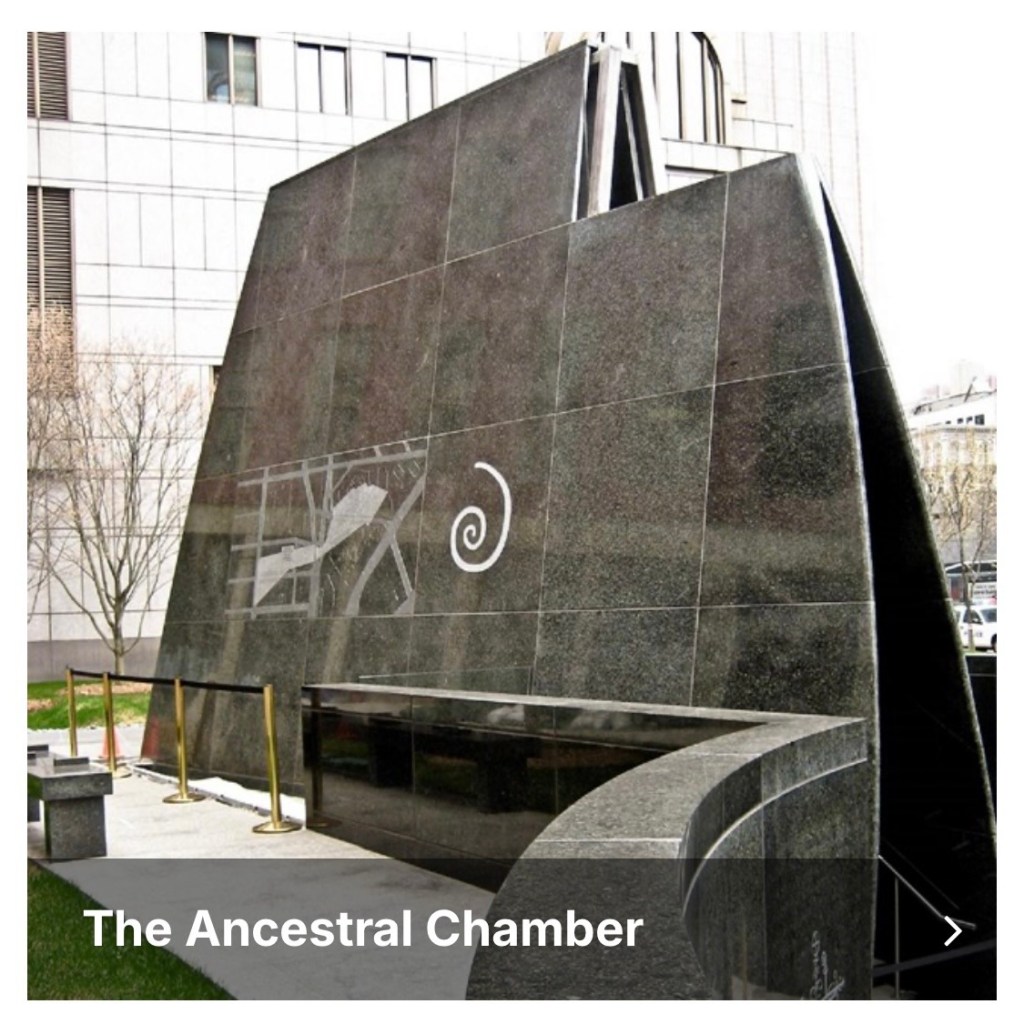
To tell their story is not to live in the past—it is to understand the present. And in a city always rushing toward what’s next, the African Burial Ground stands as a quiet, unmovable truth: progress without memory is incomplete, and freedom without acknowledgment is fragile.
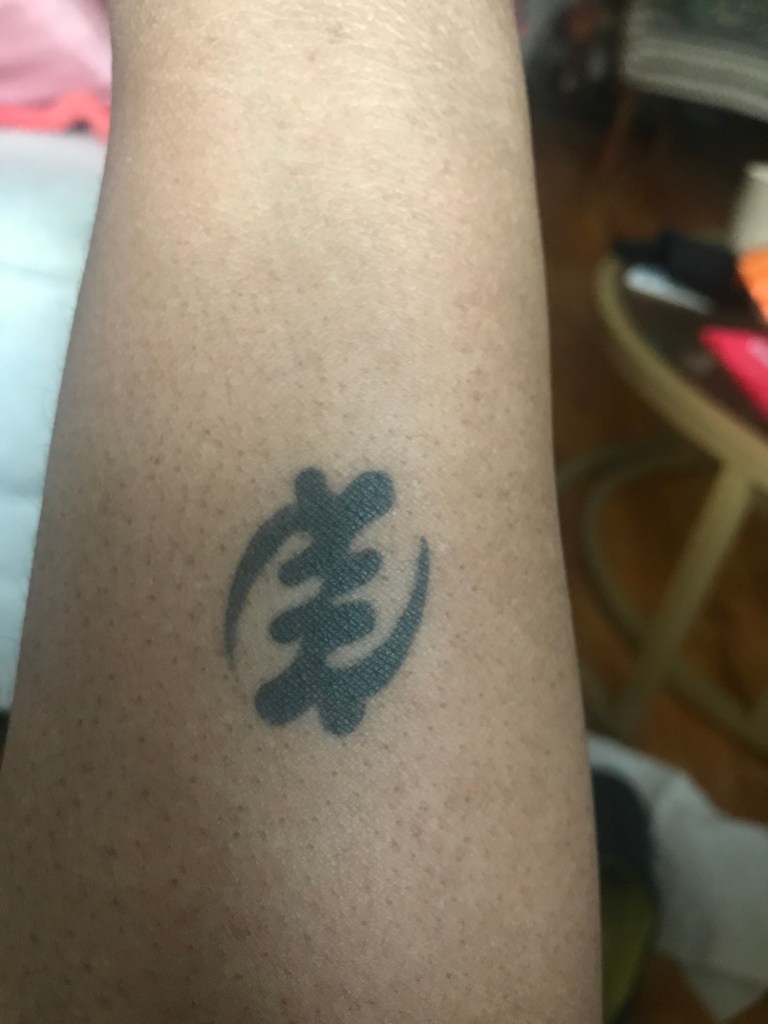
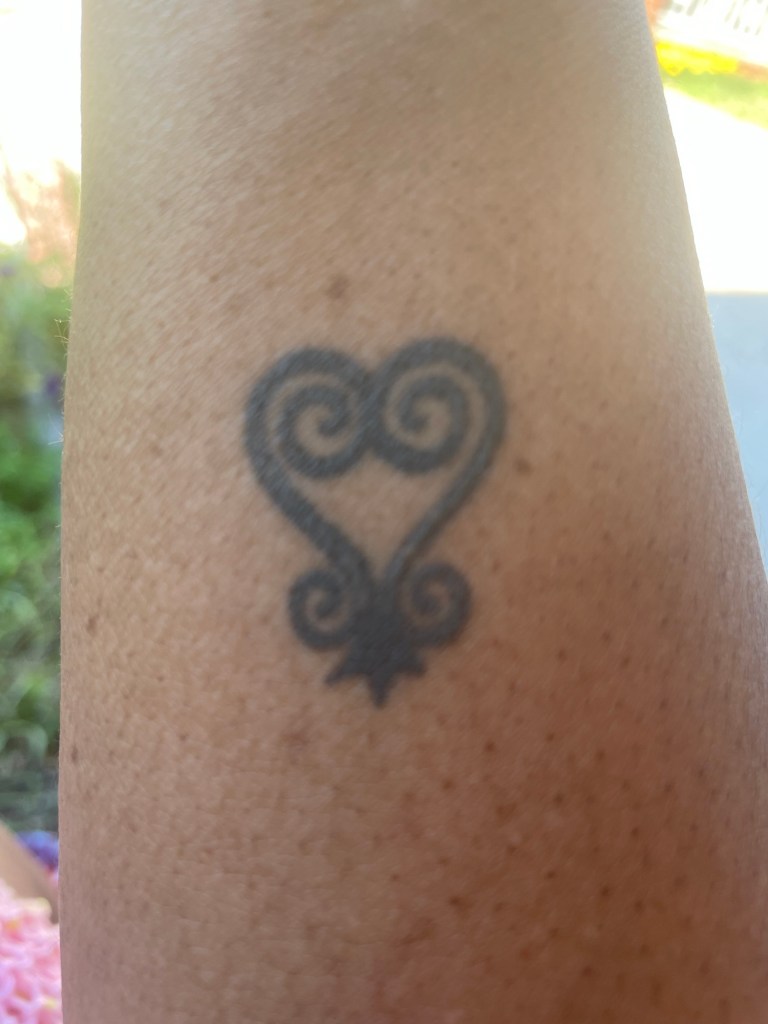
I carry the marks of our ancestral Adinkra symbols in my flesh as an eternal memorial to my momma and all who came before me. I am my ancestors’ wildest dreams come true.
🌺Buy me a coffee ☕️ please. Thanks