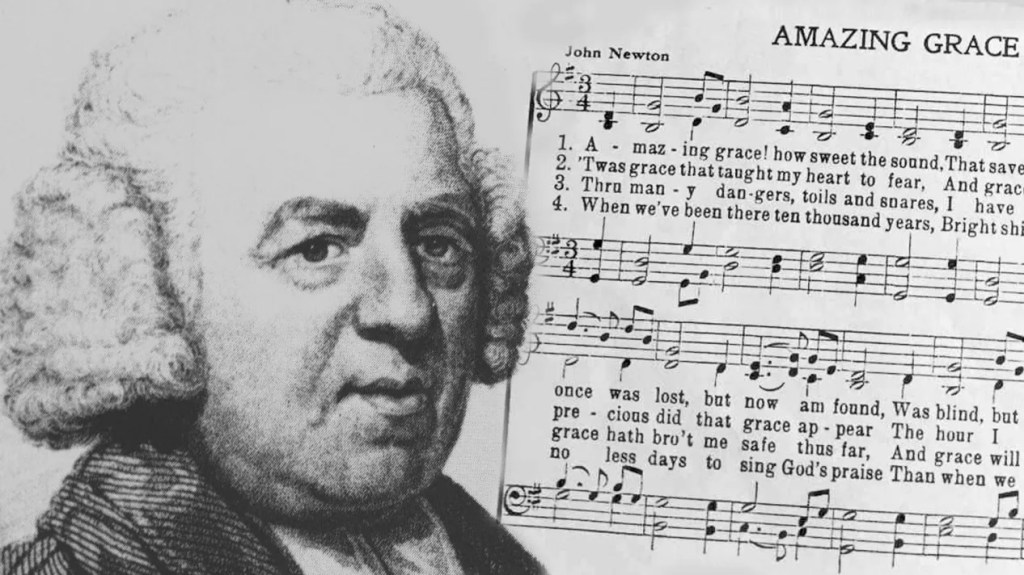
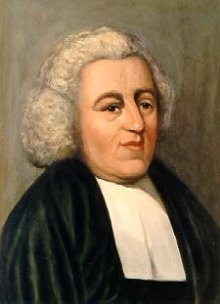
Long before abolition, Amazing Grace was written by a former slave ship captain. This piece reveals how St. Kitts shaped John Newton’s transformation and influenced the movement that helped end the British slave trade in 1807.
When you hear the iconic song Amazing Grace, most people are left emotional and touched by the words. Few people pause to consider that the author of this beloved hymn was once a slave ship master—deeply entangled in the brutal machinery of human trafficking—who later experienced a moral and spiritual reckoning that would help shape the abolition of the British slave trade.
His Early Life
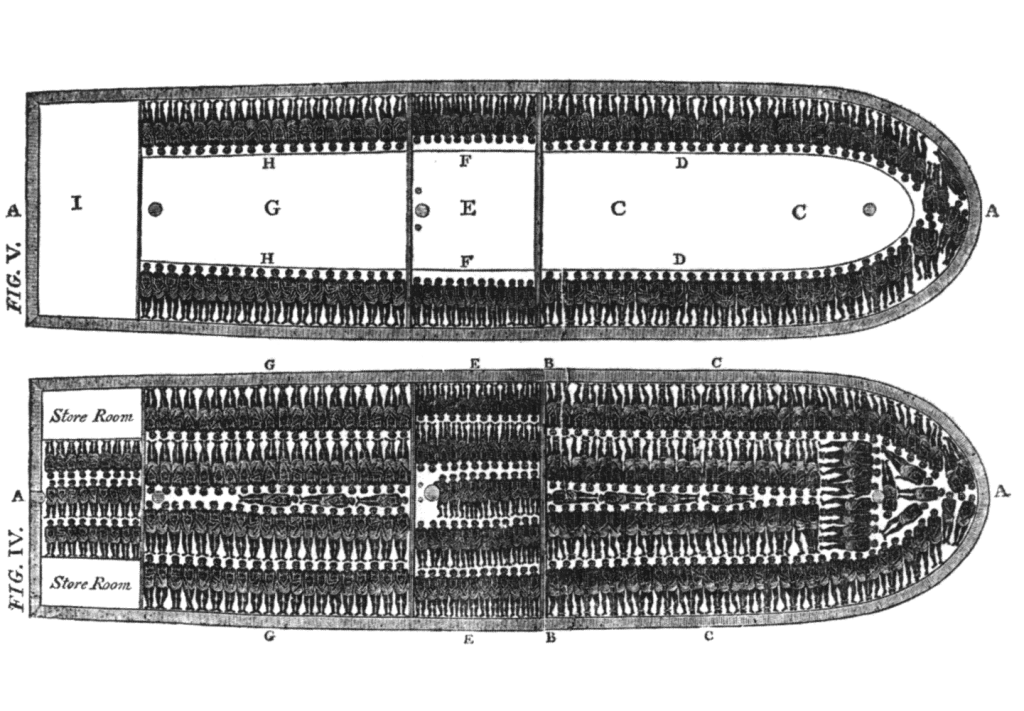
John Newton was born in London, England in 1725. His father was a sea-captain, and his mother, a devoted Puritan, died shortly after his birth. At age 11, Newton began going to sea with his father and later served in the British Navy. His life at sea was turbulent and often cruel. At one point, Newton himself was enslaved, sold by a slave trader to African royalty. Eventually, he rose to become a slave ship master, transporting enslaved Africans across the Atlantic and treating human beings as cargo.
His Conversion
In 1748, during a violent storm at sea, Newton believed his ship—filled with enslaved people—might sink. In terror, he prayed to God for deliverance. Though this marked the beginning of his turn toward Christianity, his transformation unfolded gradually. Later, while aboard another slave ship, Newton became gravely ill and prayed again for divine intervention. He would later point to this moment as the time when he began to fully confront the horror of his trade. In 1764, he became a priest. Wracked with regret over his role in the slave trade, he eventually began speaking out against it.
What role did St. Kitts play in his transformation?
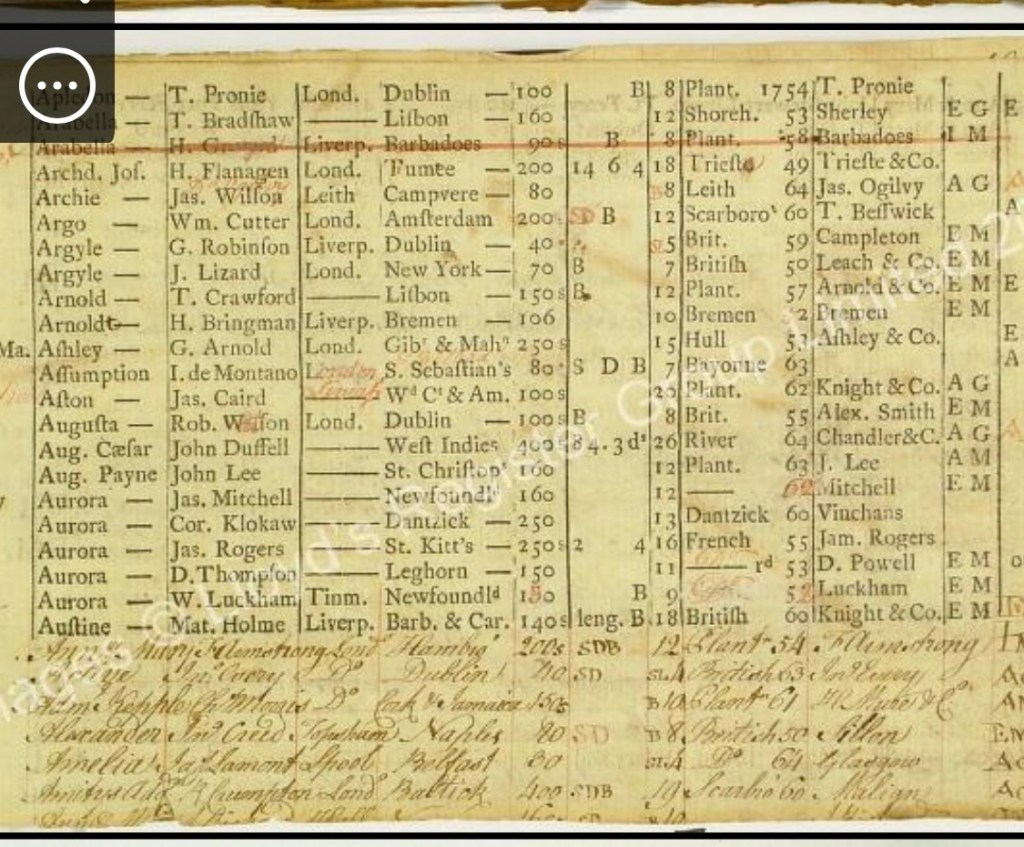
In the 1750’s, John Newton landed at Pump Bay, Sandy Point as a sea captain and slave trader. Although a near-death experience in a storm had already stirred his faith, it was in St. Kitts that his religious convictions deepened through his association with fellow sea captain Alexander Clunie. Clunie had arrived on the island carrying gunpowder for the major fortress at Brimstone Hill. According to the Cowper and Newton Museum in Britain, this was an “important acquaintance in St. Kitts who had a profound effect on him.”
Newton later reflected on this relationship, writing:
“Under the influence of Clunie, Newton’s understanding of his faith became more focused. Said Newton, ‘I was all ears and what was better, he not only informed my understanding but his discourses inflamed my heart.’”
For nearly a month, the two men met alternately aboard each other’s ships. Though Newton had long studied the Bible and religious texts such as Hervey’s Meditations and Scougal’s Life of God in the Soul of Man, his conversations with Clunie shifted faith from an intellectual pursuit to a lived, outward practice. Encouraged by Clunie, Newton began praying aloud and seeking guidance beyond books. He soon began corresponding with Dr David Jennings in June 1754 and maintained contact with Clunie for years. Their letters, later published as The Christian Correspondent, include this striking tribute from Newton:
“Your conversation was much blessed to me at St. Kitt’s, and the little knowledge I have of men and things took its first rise from thence.”
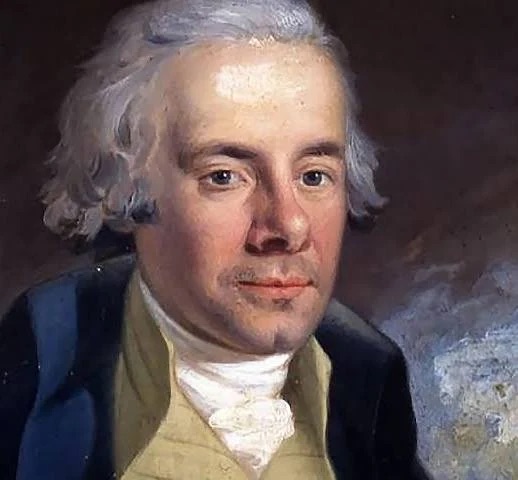
When John Newton returned to England, he became an Anglican ordained minister. Among those he mentored was a young Member of Parliament, William Wilberforce. So deeply affected was Wilberforce by Newton’s guidance that he considered leaving politics altogether for the ministry. Newton advised otherwise, urging him to remain in Parliament and “serve God where he was.”
Wilberforce took that advice—and spent the rest of his life working toward the abolition of slavery. Newton stood beside him as an ally in that cause.
In 1787, Newton published Thoughts upon the African Slave Trade, a powerful and unflinching tract that detailed the brutality of the trade and his own role in it. The work proved deeply influential. When Parliament finally passed the act to abolish the Slave Trade in February 1807, Newton was 82 years old, nearly blind and near death. He “rejoiced to hear the wonderful news.” (The Abolition Project)
When was Amazing Grace Written?
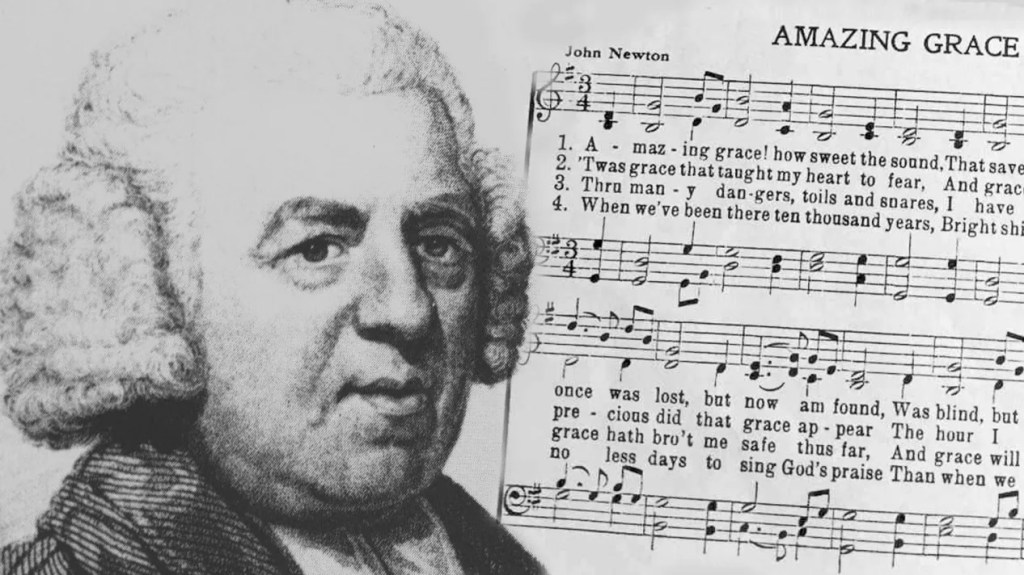
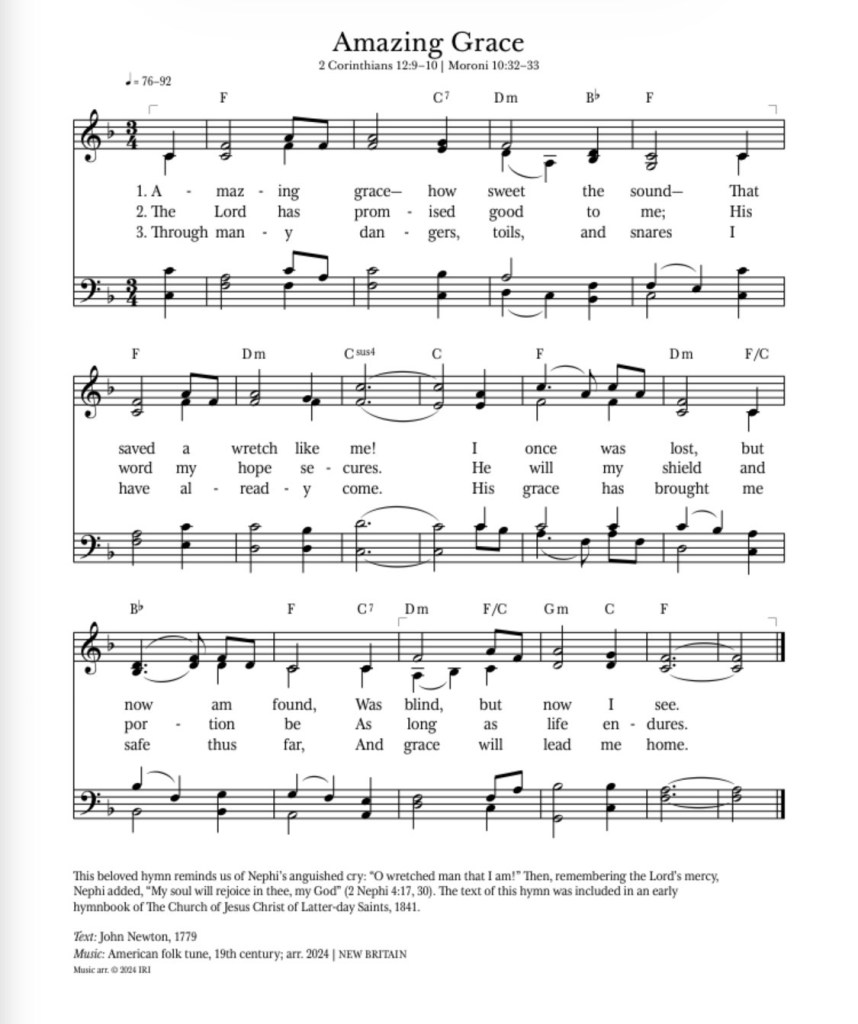
John Newton wrote “Amazing Grace” around Christmas 1772 as a poem for a 1773 New Year’s Day sermon in Olney, England, reflecting on his journey from slave trader to Anglican clergyman. Inspired by his spiritual awakening during a violent sea storm in 1748, the hymn—originally titled “Faith’s Review and Expectation”—drew directly from his sense of unworthiness and redemption. First published in 1779 in Olney Hymns, it expressed gratitude for divine grace, long before it was paired with the now-famous tune “New Britain.”
From these threads one can clearly trace how St. Kitts played a role in John Newton’s spiritual transformation, his decision to enter the clergy, his mentorship of William Wilberforce, and ultimately how those relationships helped shape the movement that led to the abolition of the Slave Trade.
Amazing Grace Today
Today, this complex and deeply human history is thoughtfully presented at the Amazing Grace Experience Visitors Centre, housed in the upgraded Lighthouse Baptist Church at Sandy Point St.Kitts. Through videos, interpretive panels, and symbolic artifacts from Newton’s seafaring life, visitors are guided through the contradictions and consequences of his journey. The exhibit captures both the gravity of the slave trade and the difficult, imperfect process of moral reckoning.
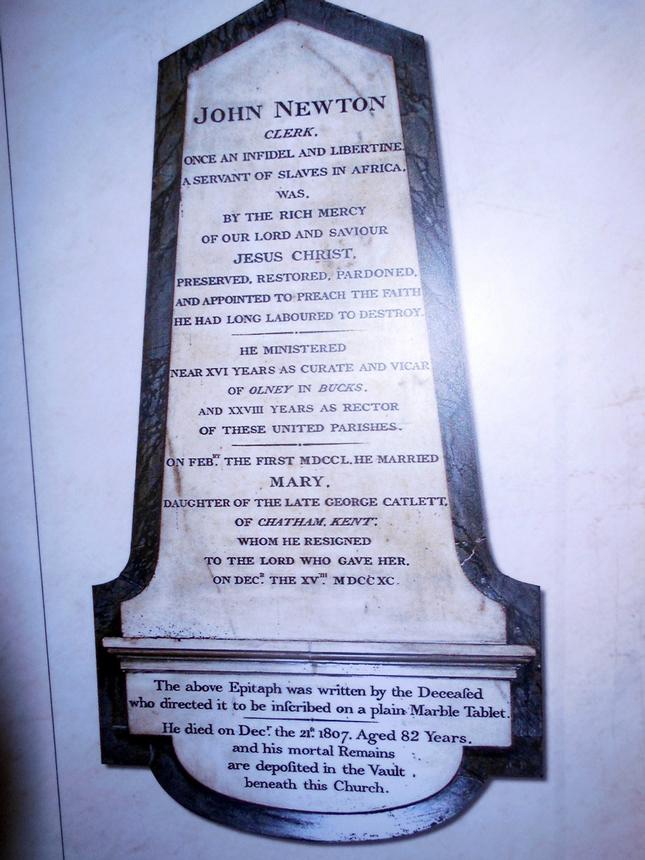
The center has already earned 4 and 5 star assessments from visitors on TripAdvisor and is increasingly recognized as a “must see” educational site—ranking closely behind Brimstone Hill in historical significance.
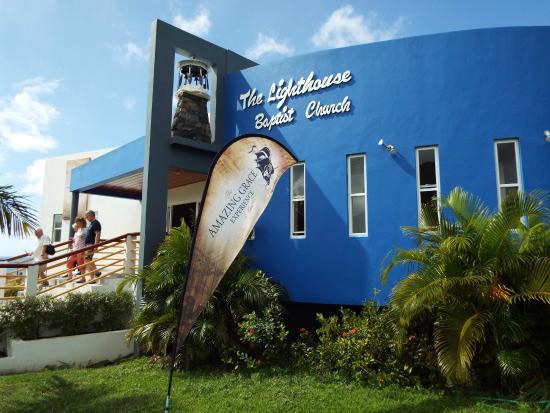
Special recognition is due to Stephen and Janet Oldershaw, British director-owners of a Christian family business, who supported the creation of the exhibition. Reflecting on their involvement, they explained:
“Having benefited from the Caribbean business trade, we felt it was good to give something back to the island and to let them benefit from what we are doing as a tourist attraction. We felt it would be unique to them.”
The story of Amazing Grace is not a simple tale of redemption—it is layered, uncomfortable, and deeply tied to the Caribbean. And in St. Kitts, that story is finally given the context it deserves.
Amazing Grace Lyrics
Amazing grace, how sweet the sound
That saved a wretch like me
I once was lost, but now I’m found
Was blind, but now I see
‘Twas grace that taught my heart to fear
And grace, my fears relieved
How precious did that grace appear
The hour I first believed
Through many dangers, toils and snares
We have already come
‘Twas grace that brought us safe thus far
And grace will lead us home
When we’ve been there ten thousand years
Bright shining as the sun
We’ve no less days to sing God’s praise
Than when we first begun
Than when we first begun
Harlem Choir
🌺🌸Buy me a Coffee ☕️ please🌺🌸


