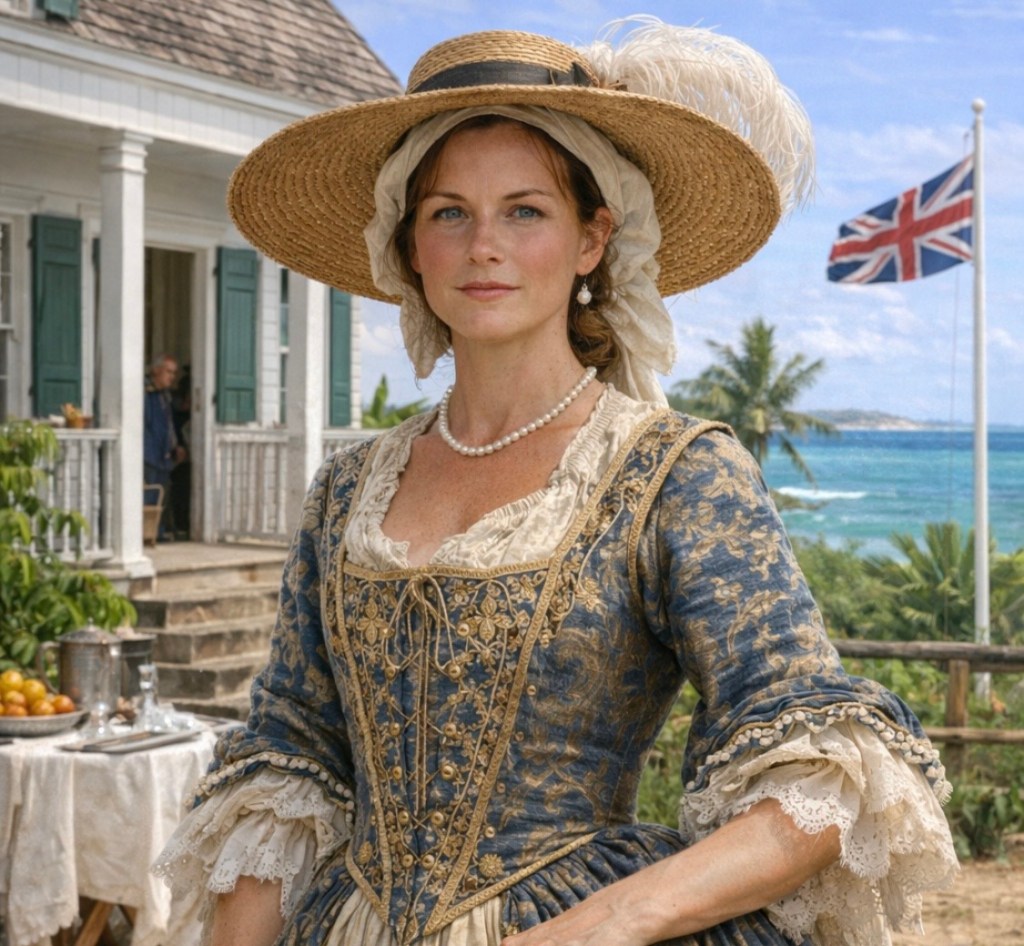
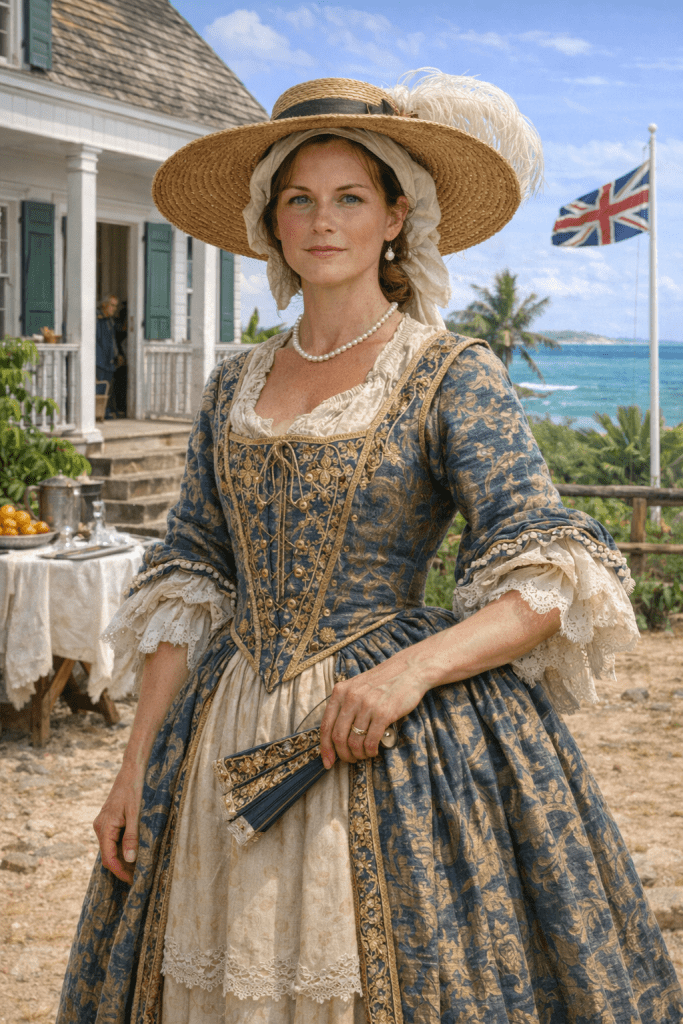
In 1758, two enslaved men, George and Pero, one owned by my 7x Great Grandmother Lady Sarah Hodge, were executed in Anguilla for alleged treason during the Seven Years’ War—one burned alive, one hanged. This documented case reveals the brutal realities of colonial law, slavery, and imperial power on a small Caribbean island.
What was the Seven Year’s War?
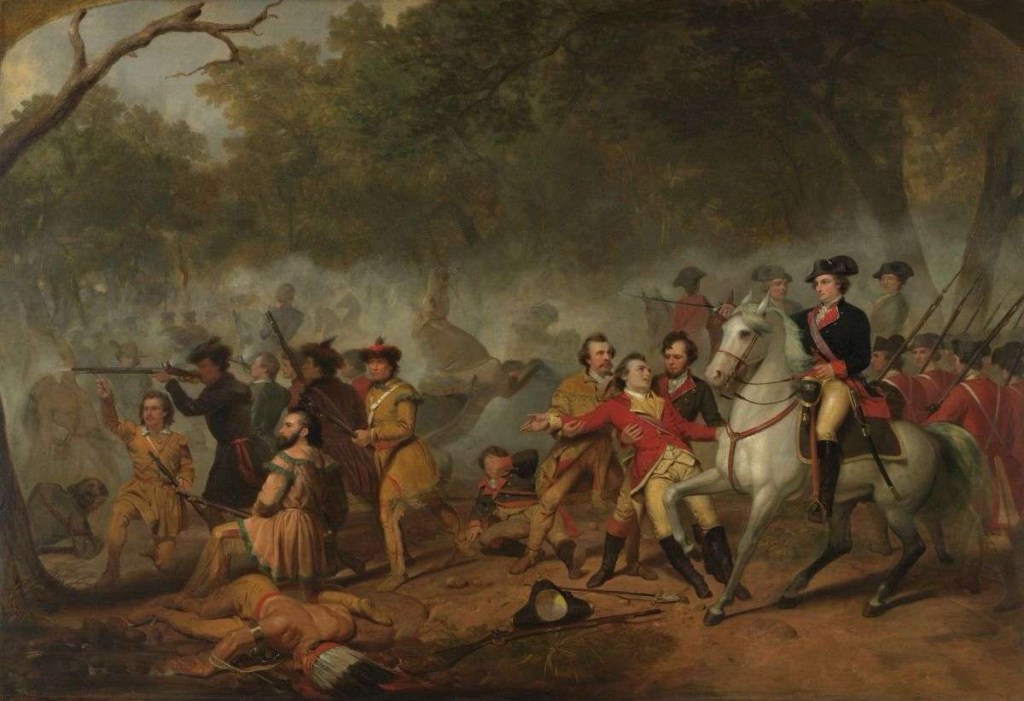
The Seven Years’ War (1756–1763) was a far-reaching global conflict between the major European powers of the mid-18th century, later described by Winston Churchill as the “first world war”. It was fought across five continents, including Europe, North America, India, West Africa, and the Caribbean.
The war was primarily driven by two distinct rivalries: the struggle between Great Britain and France for colonial and commercial supremacy in North America and India, and a territorial dispute in Central Europe where Austria sought to reclaim the province of Silesia from Prussia.
The Penalty of Maroonage
For donkey years, many people believed that no one had ever been executed on the island of Anguilla. It was a comforting assumption—one that suggested a quieter, less brutal colonial past. With deeper research, however, that belief did not hold. The historical record tells a different and far more unsettling story.
The earliest clear evidence appears in 1758, preserved in the official minutes of a trial held by the Council of Anguilla. The case involved two runaway enslaved men known only as Pero and George. What survives is not a narrative meant to persuade or justify, but a stark administrative record—cold, procedural, and devastating in its consequences.
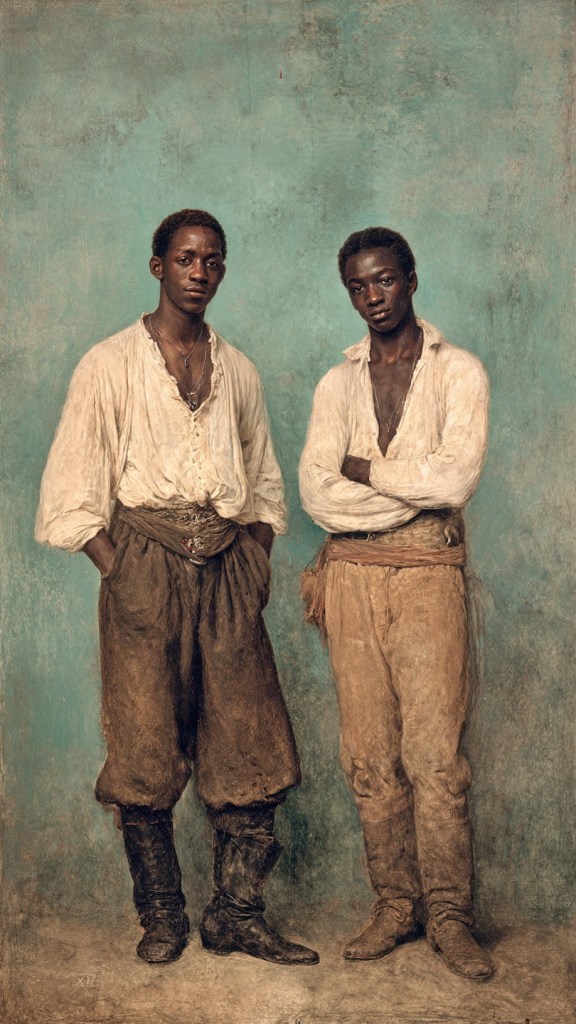
It opens with the familiar formality of colonial governance:
Anguilla at a meeting of His Majesty’s Council, being present, The Honourable Benjamin Gumbs, Esquire; John Hughes, Benjamin Roberts, Joseph Burnett, Esquires, Members of Council.
The accusations were grave. According to the Council, Pero and George had fled Anguilla during a time of war between Britain and France and were captured aboard a French schooner of war. Their flight was framed not merely as escape, but as treason—actively aiding the enemies of the British Crown:

“Whereas two negro men, namely, Pero and George, belonging to this island have been lately taken on board a Schooner of War belonging to the subjects of the King of France who had in a felonious and treasonable manner fled from this island to the French in time of war between the Crowns of England and France; and likewise endeavouring to pilot and did aid and assist the said subjects of the Crown of France to land on the said island Anguilla to distress the said English inhabitants of said island.”
The sentence followed immediately, its language precise and chilling:
“It is hereby ordered and decreed by this Court that the negro man called George be put to death immediately by burning of his body until it be dead and that the negro man called Pero be immediately put to death by hanging by the neck until he be dead.”
The document ends as abruptly as it began:
Signed by command, Joseph Burnett, Clerk to the Council.
From what can be pieced together, George and Pero had escaped Anguilla sometime before 1758 and joined a French privateer, likely operating out of St Martin. Such vessels preyed on British shipping, and the two men were accused of acting as guides for a French landing on Anguilla. Notably, there is no independent confirmation in the historical record of any French raid on the island between 1756 and 1758, but the accusation alone proved sufficient.
The trial unfolded during the Seven Years War (1756–1763), a global conflict between Britain and France. In that wartime context, the Council classified their actions as treason—among the most serious crimes under English law.
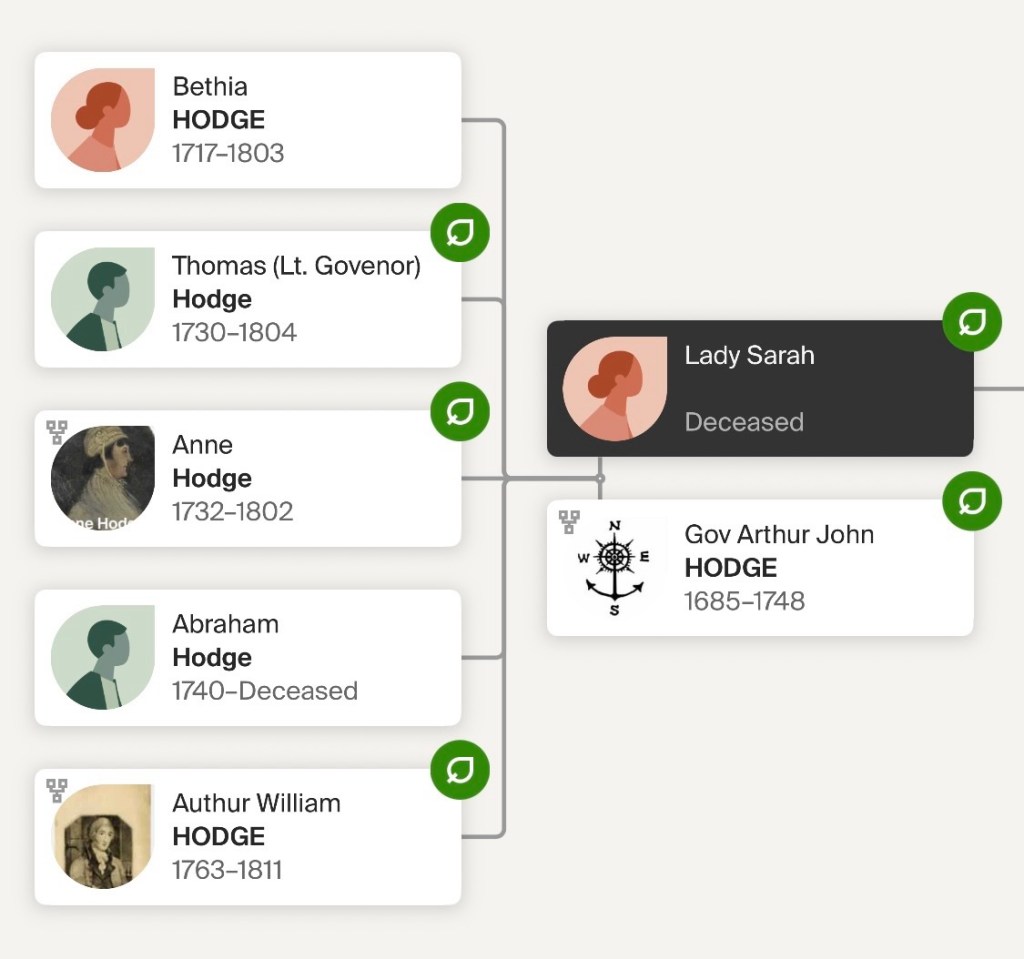
Pero appears to have been enslaved by Sarah Hodge of Anguilla. Alongside the Council record survives a copy of her letter to her son, written just days before the executions, explicitly consenting to Pero’s death:
Tuesday night, 19th September 1758
Dear son,
I received your note which does not a little surprise me, to think that Pero has been taken on board a French Privateer, his behaviour has been so extraordinary, that I resign him to the Governor and Council, to do as they think proper. I hope this may in some wise deter the other negros from the like attempts.
I am dear son, your loving mother,
Sarah Hodge.
The tone is calm, almost domestic—its quiet normalcy deeply at odds with the fate it authorizes.
Burning alive as a method of execution has a long and grim history, particularly in cases involving treason, heresy, and witchcraft. In 1184, the Roman Catholic Synod of Verona formally legislated burning as punishment for heresy, in part because Church doctrine forbade the spilling of blood. There was also a belief that reducing a body to ashes prevented resurrection in the Afterlife. This position was later reaffirmed by the Fourth Council of the Lateran.
The practice was not confined to Catholic Europe. Protestants employed it during the witch-hunts that swept across the continent. Edward Wightman, a Baptist from Burton-on-Trent, became the last person burned at the stake for heresy in England, executed in the market square of Lichfield, Staffordshire, on 11 April 1612.
Under English law, women convicted of treason were traditionally burned at the stake—a punishment considered more “decent” because it avoided public nudity. Men, by contrast, faced hanging, drawing, and quartering. This distinction crossed the Atlantic, and burning remained an accepted punishment in the colonies well into the eighteenth century. Its most notorious use in the New World occurred during the New York slave revolt conspiracy of 1741, when approximately 35 people were executed. Most were hanged, but 13 enslaved people were burned alive. The alleged plot involved arson, which likely influenced the choice of punishment.
By the late eighteenth century, burning at the stake began to fall out of favour as governments adopted what they considered more “humane” methods of execution. In 1789, Catherine Murphy, convicted of counterfeiting, became the last person burned at the stake in England. The following year, Sir Benjamin Hammett—who had been involved in her trial—introduced legislation to abolish the practice. The resulting Treason Act of 1790 granted women equal access to the halter and received royal assent from King George III.
Against this legal backdrop, the sentence imposed on George by the Anguilla Council was, grimly, lawful. Burning remained an accepted punishment for treason at the time.
It is also important to understand the limits of the Council’s authority. The Anguilla Council had no jurisdiction to try or execute a free person for treason or any other felony. Anguilla did not receive a writ of assize to conduct such trials until after it was joined to St Kitts in 1825. A free person accused of treason would have been sent to Antigua, the seat of the Governor in Chief of the Leeward Islands, to stand trial and face execution if convicted, as had happened with Captain Birmingham and the three French spies in 1711.
Enslaved people, however, existed in a different and far more precarious legal world. They were not recognized as persons under the law, but as chattel property. They possessed no legal protection and could be killed by their owners just as readily as they could be condemned by the Council.
The outcome in 1758 was final and public. Pero was hanged by the neck until he was dead. George was burned at the stake in Crocus Bay.
In practice, those sentenced to be burned were often strangled at the stake before the fire was lit. This was done not to spare the condemned, but to spare the executioners from witnessing prolonged suffering. One can only hope that this small mercy was extended to George, though the sentence itself was explicit: he was to be burned alive until he be dead.
Both executions were meant to be seen. They were public acts of terror, carefully staged as warnings—intended to deter other enslaved people who might consider resistance, escape, or rebellion.
The record remains. And with it, a sobering reminder that even on a small island, far from imperial capitals, the full force of empire—law, fear, and cruelty—could descend swiftly and irrevocably on human lives.
LEARN U.S. HISTORY and LITERATURE WITH ME: