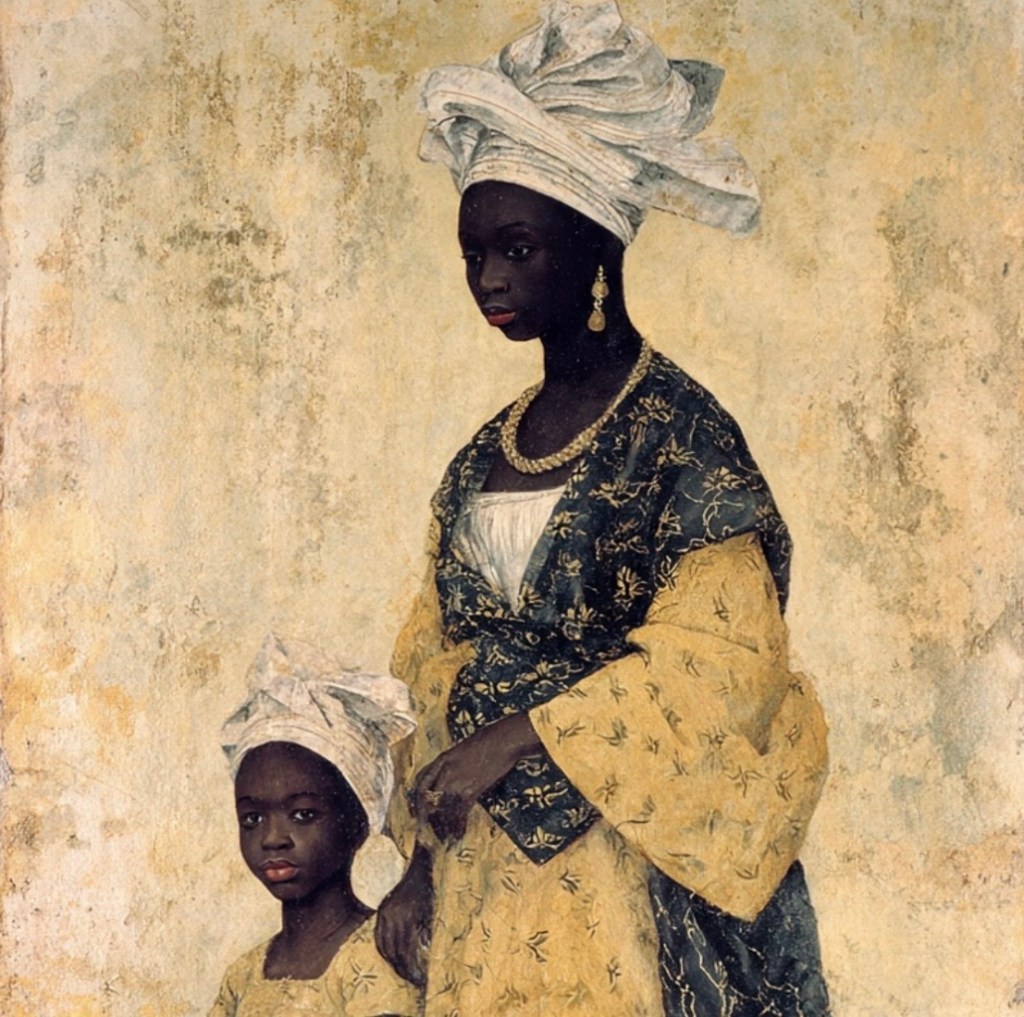
The story of Phoebe Berridge my great, great, great, great grandmother, born in West Africa and enslaved in St. Kitts, traced through census records, motherhood, and survival across generations.
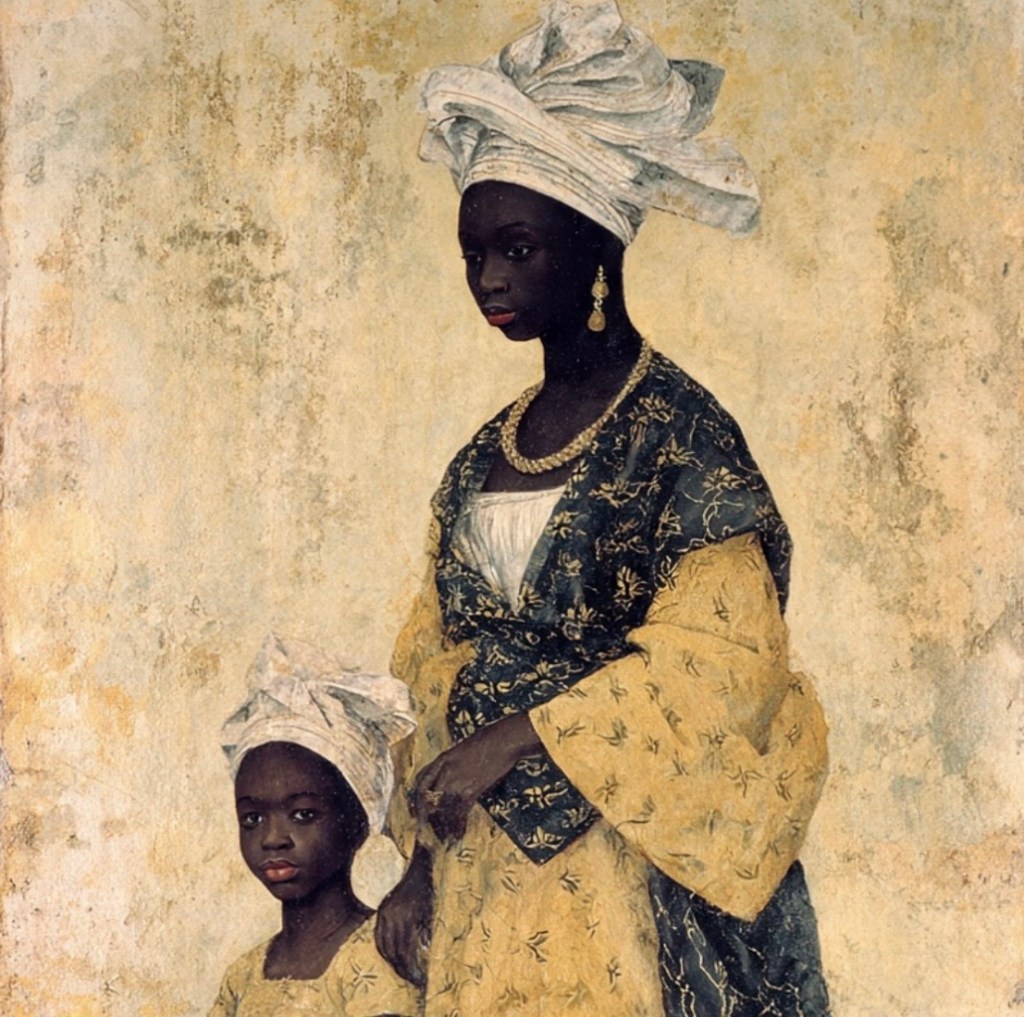
I am blessed and very fortunate to be able to identify and name not just one, but two African-born ancestors. They were both strong West African women. The ladies I discovered were Old Fanny (read my blog post on finding my Igbo roots to learn more about her). I also unearthed Phoebe Berridge.
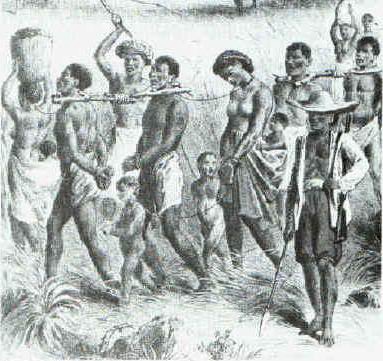
I have always imagined my kidnapped, enslaved ancestor as a woman—ripped from her family and everything dear to her. I picture her as strong-willed, enduring the moment of capture, the long forced march to the coast, and the suffocating “slave castles.” I imagine her head held high as she was transported to the slave ship and dragged into the hold.
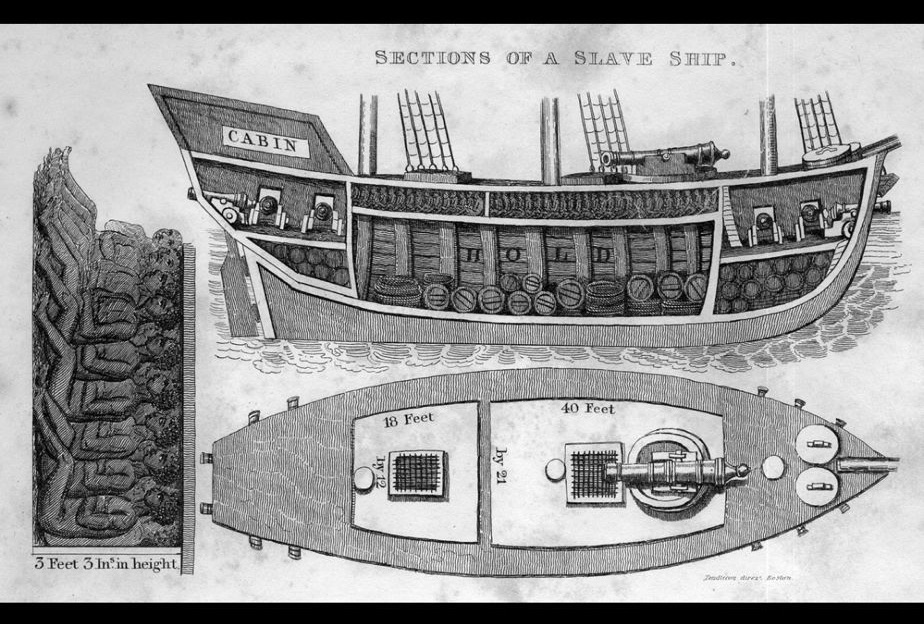
She was chained and endured the worst imaginable conditions in the bowels of that ship. She survived the Middle Passage, with circling sharks waiting to be fed with the “sick or excess human cargo.” She survived the Atlantic. She reached the Caribbean Sea and survived again. She survived being bathed in seawater, rubbed with grease, and placed on the auction block. She survived, she lived, and she survived.
This is how I’m here today!!!
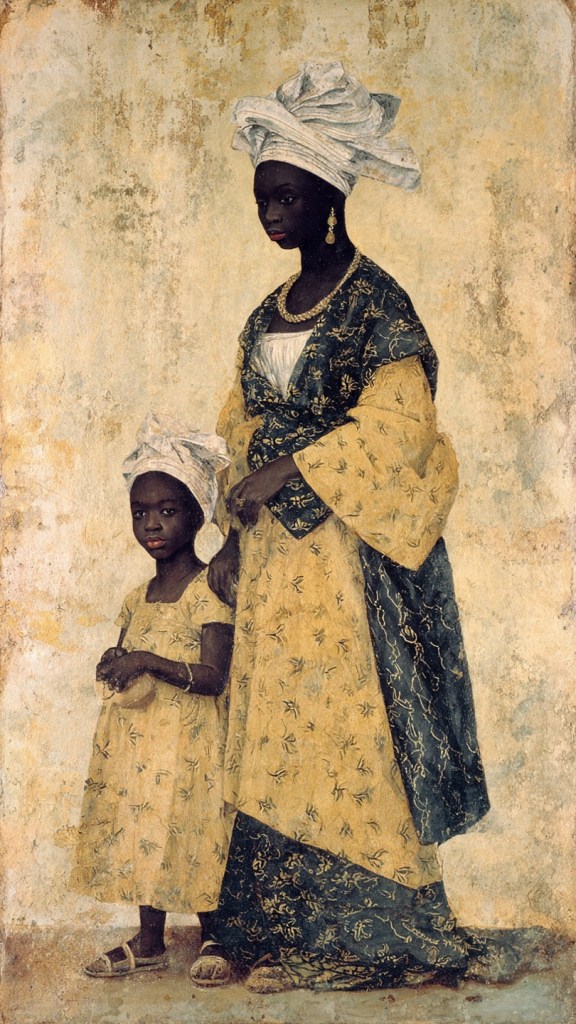
Phoebe Berridge
Phoebe Berridge was born in 1792 in Wesa, Sinoe, Liberia, West Africa. Her life, like so many African-born women of her generation, unfolded across oceans and under the violent machinery of enslavement, yet her legacy endures in names, records, and descendants who still speak her into being.
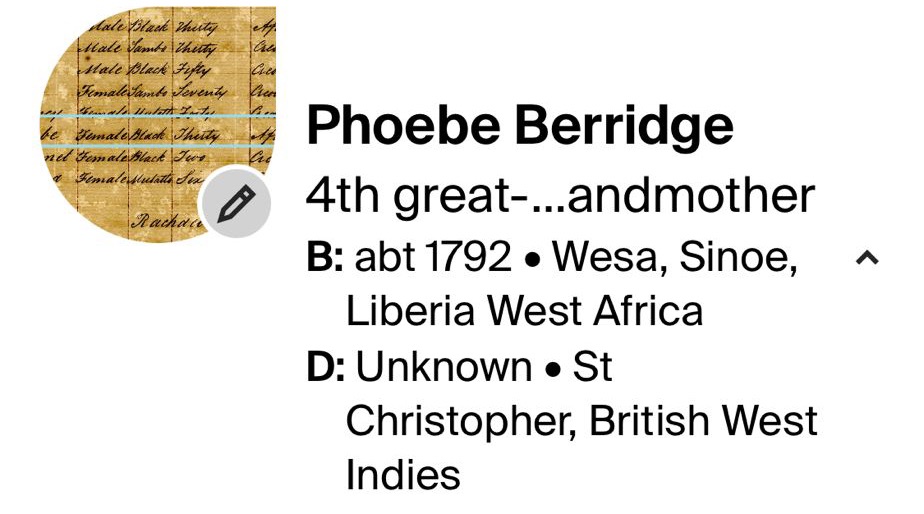
Phoebe had four children with John Wood and one child with Daniel Tyson. By 1815, her daughter Jeannet was born in Saint George Basseterre, St Kitts and Nevis. The records later place Phoebe still in St St.Kitts in 1822. This confirmed that she survived the transatlantic journey and the brutal realities of plantation life in the British Caribbean.
In 1825, her son Thomas William was born in Basseterre, St Kitts. A year later, Emanuel was born on December 18, 1826, in Basseterre, St Kitts, British West Indies. Another son, Daniel, followed in 1834, also born in Basseterre, St Kitts, British West Indies. Phoebe ultimately died in St. Kitts, West Indies, a place shaped by her labor and survival.

Documentation
Phoebe and her daughter appear in the St. Kitts census of 1819. She is listed as enslaved in the household of Rachel Skinner who is identified as proprietor. Phoebe is recorded as female, black, 30, African, working as a house servant and washer. Beside her is her daughter Jeanette, listed as female, black, two, Creole of St. Kitts, meaning she was born on the island.
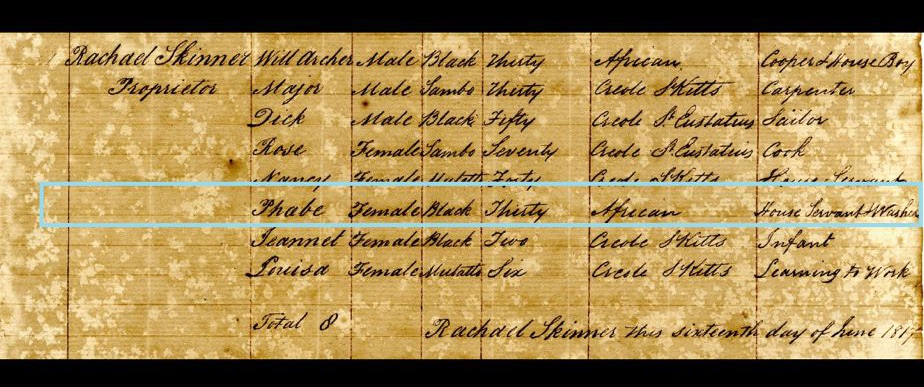
Below them is another child: Luisa, female, mulatto, 6, Creole of St. Kitts, and next to her name are the words “learning to work.”
Imagine A six-year-old child is “learning to work.”
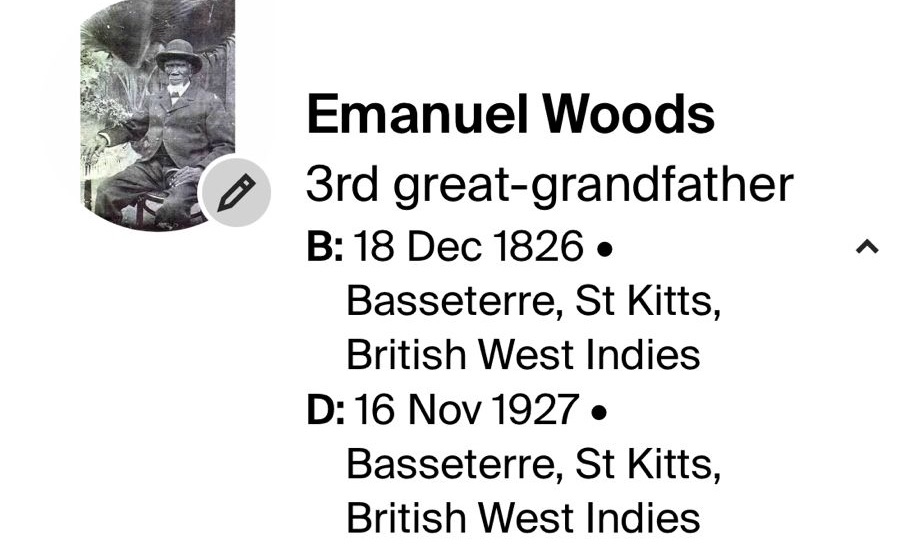
I am descended from Phoebe through her son Emmanuel. I was blessed to receive a picture of him. In the image, he is well dressed, cool, and relaxed—carrying himself with quiet confidence, his proud and undiluted African features fully intact.
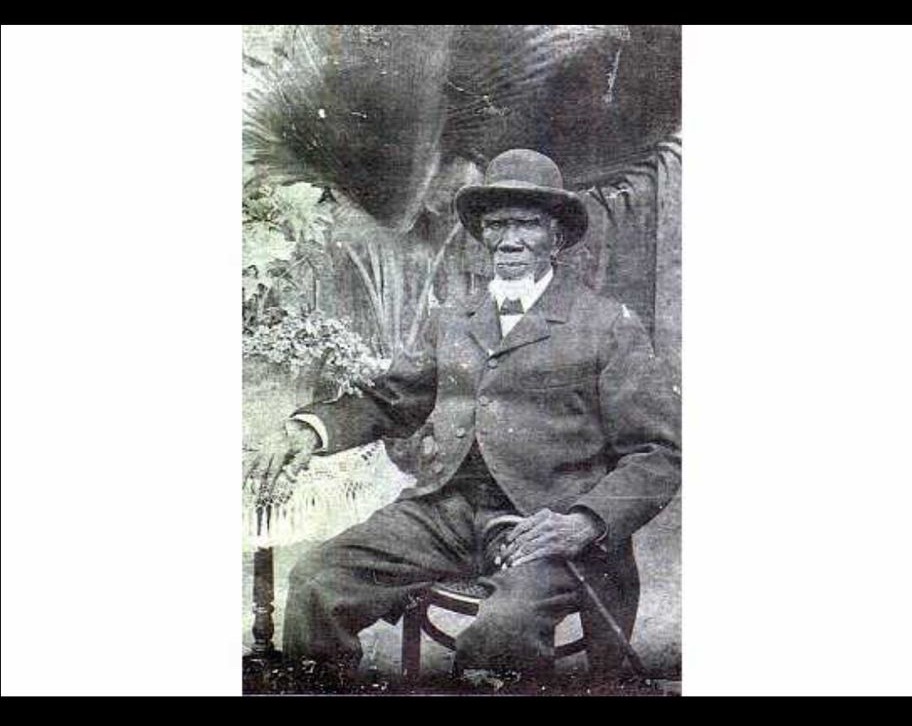
Phoebe Berridge’s name may only appear briefly in the records, but her survival echoes loudly. Her life bridges West Africa and the Caribbean, loss and continuity, erasure and remembrance. To find her is not just genealogy—it is reclamation.
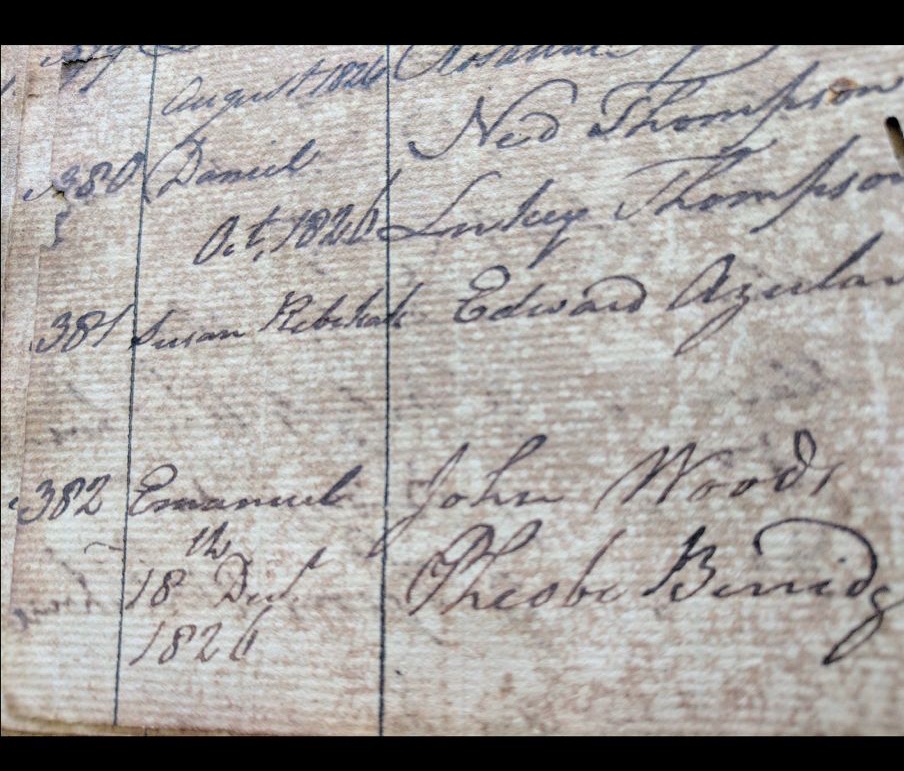
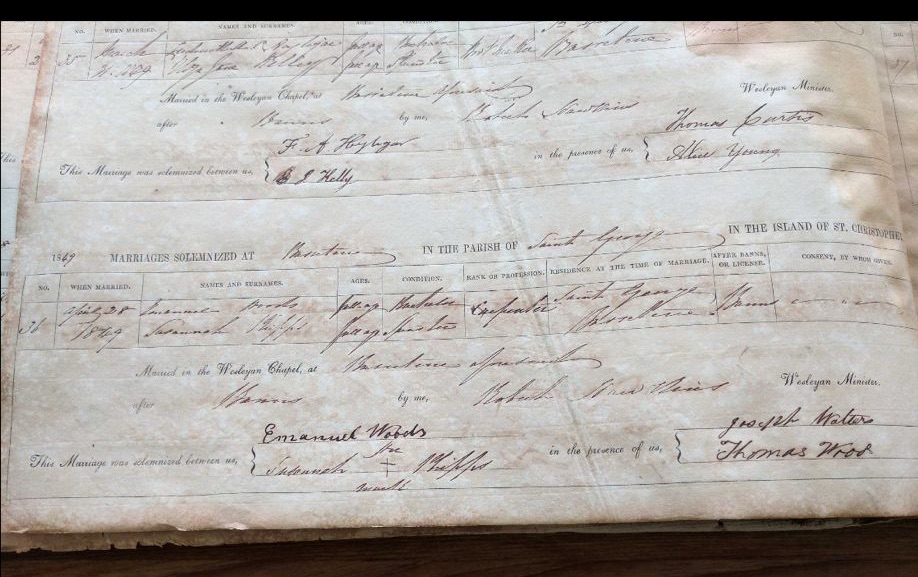
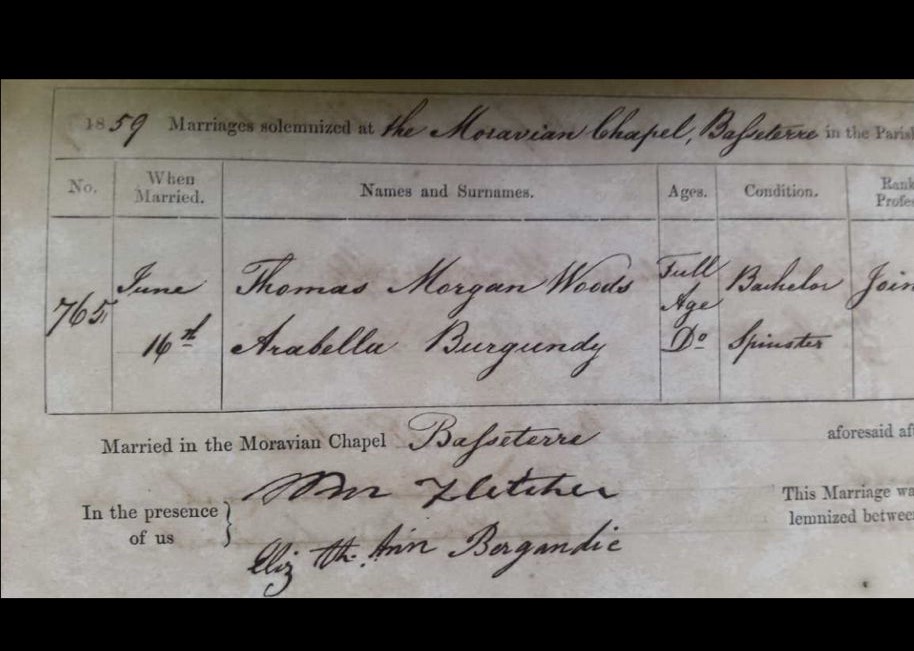
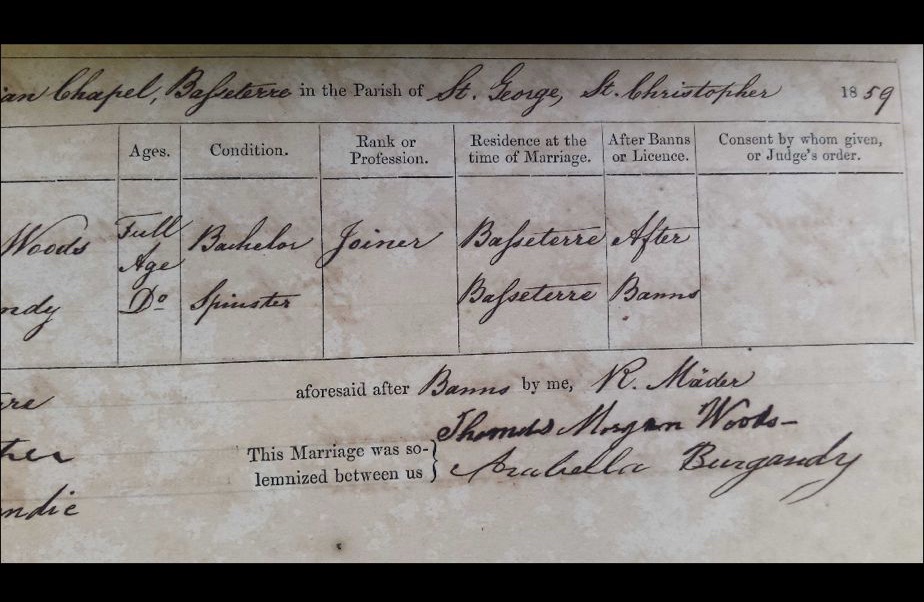
Phoebe Berridge’s life reminds us that history is not abstract—it is personal, embodied, and enduring. Her name, and the names of her children, once confined to census lines and colonial records, now lives in memory and meaning. By finding her, and her direct descendants I am not only tracing lineage but honoring survival itself. Her journey from West Africa to St. Kitts did not end in silence; it continues through descendants who remember, speak her name, and refuse to let her story disappear.
🌺🌸Please buy me a ☕️ coffee 🌺🌺


Disclaimer: some images and contests are edited and generated by ai.

