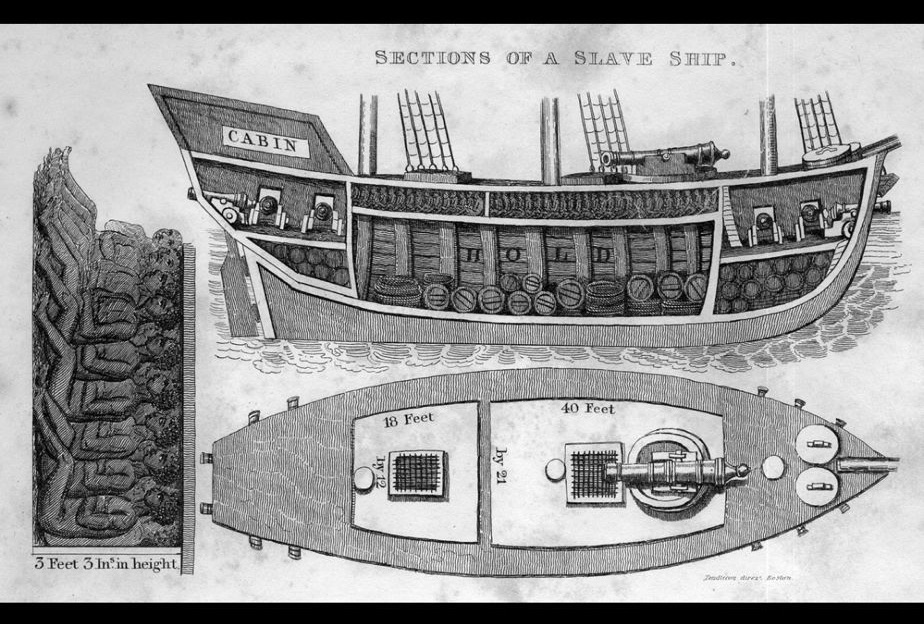
illustrated in 1830. It held over 550 slaves
The King David revolt of 1750 exposes African resistance at sea and St. Kitts’ deep ties to the transatlantic slave trade.
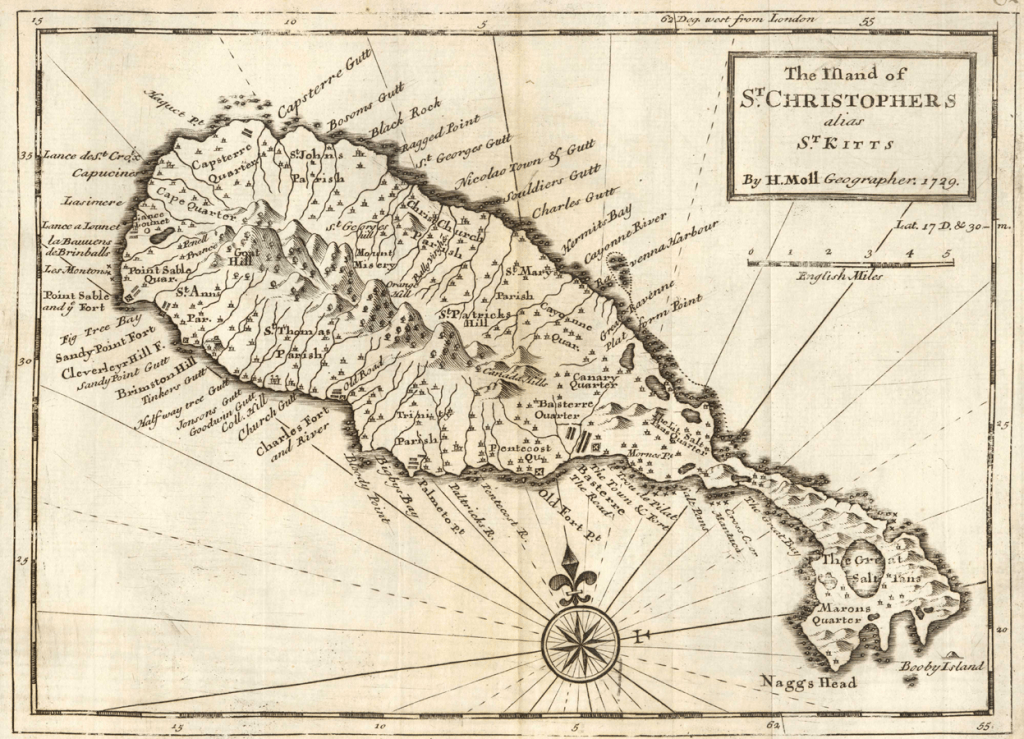
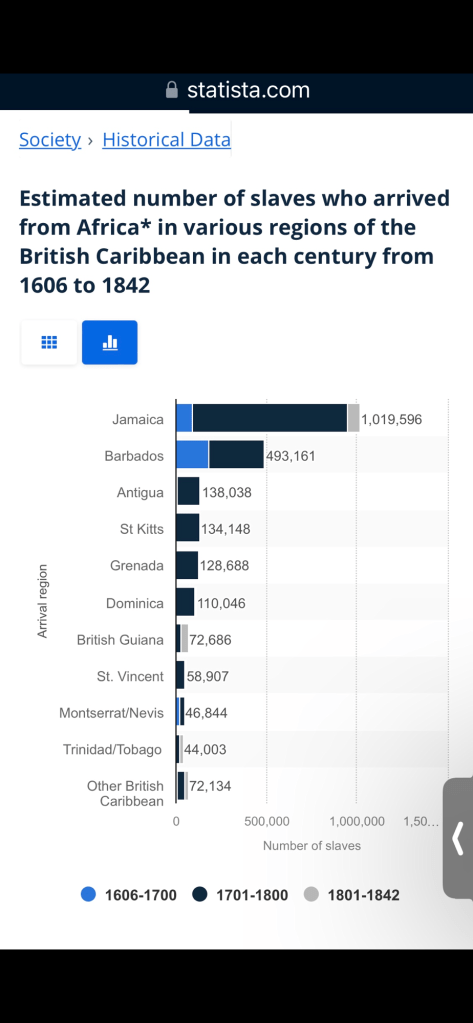
In 1623, the British annexed the island of St Christopher in the Caribbean, now known as St Kitts. Just three years later, the first ship carrying enslaved Africans arrived, laying the groundwork for a plantation economy built on forced labor.
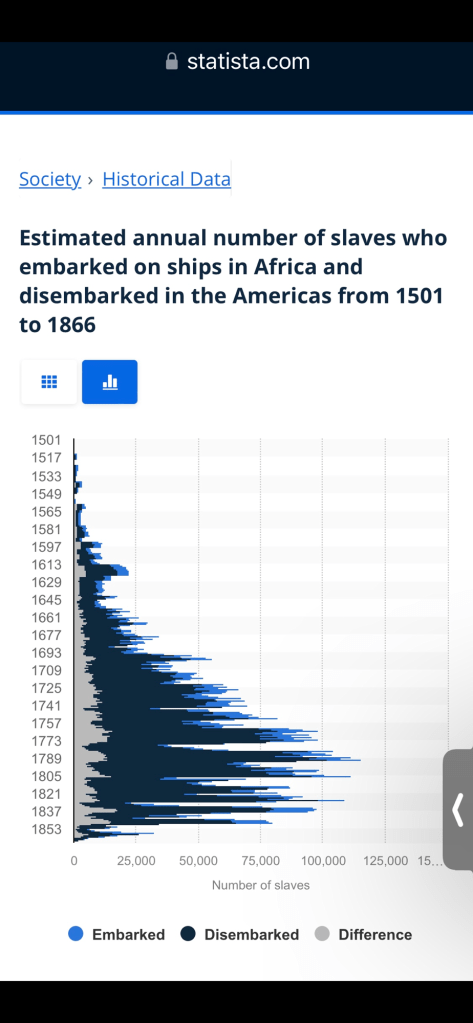
By the mid-18th century, St. Kitts had become one of Britain’s most valuable sugar colonies. That wealth came at an extraordinary human cost—and resistance to the system was constant, determined, and often deadly.
One of the most striking acts of resistance occurred aboard the British slave ship King David.

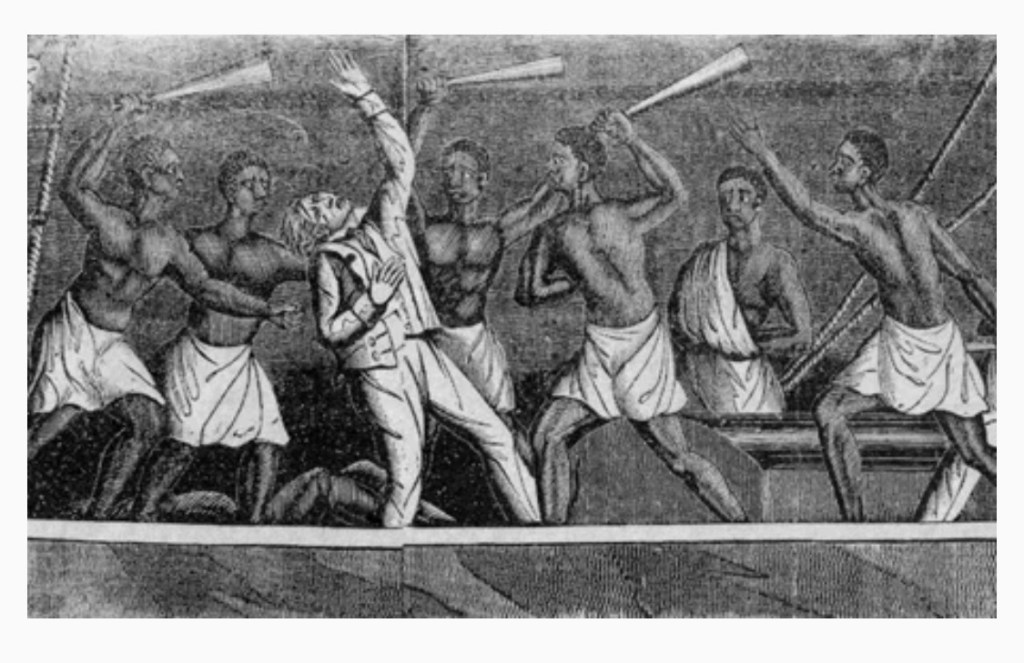
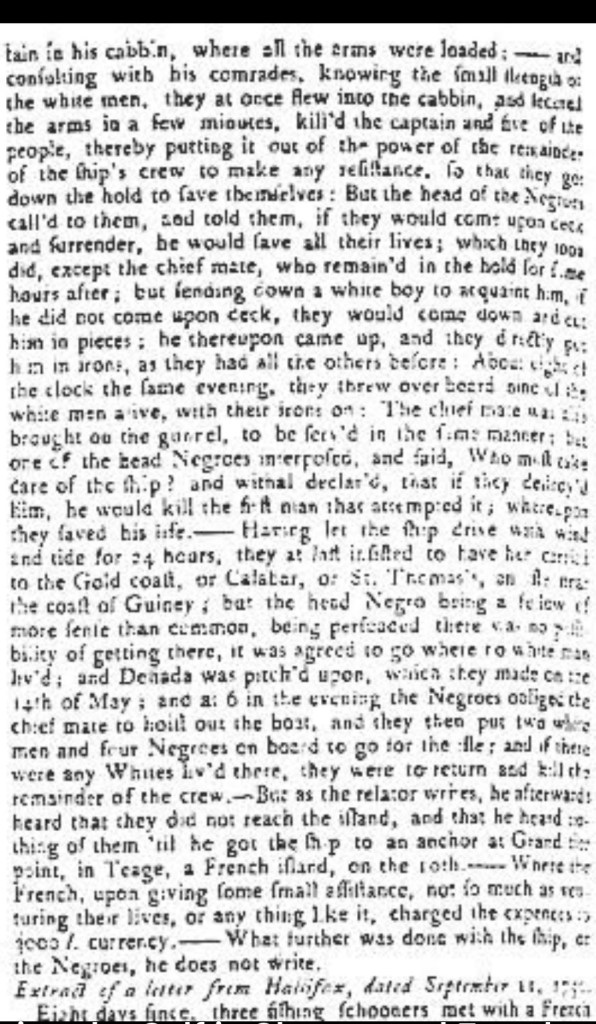
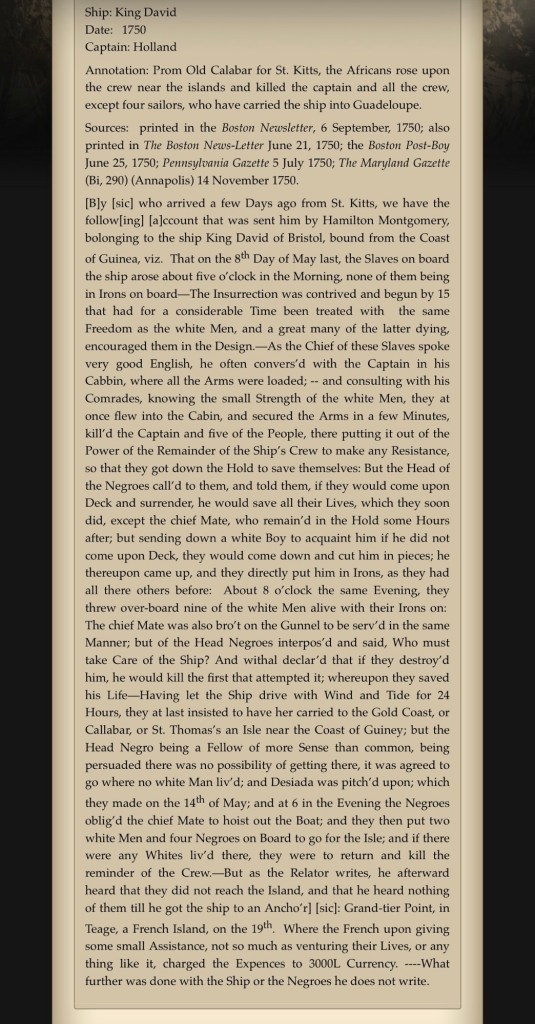
On May 8, 1750, enslaved Africans aboard the King David revolted while the ship was traveling from Calabar to St. Kitts by way of Bristol. At 5am, 15 enslaved Africans broke their chains and launched a coordinated uprising. The Africans on board the King David from Bristol killed the captain and five crew members, and later threw nine more overboard in shackles meant for the slaves, forcing the remaining sailors to flee and hide in the hold.
By 8pm, the rebels had regained control of the deck. When the surviving crew members were brought up, the rebels threw nine more overboard with their irons on. Over the course of the insurrection, 22 of the 30 crew members were killed; the remainder were spared only to man the ship.
The rebels initially wanted to return to Calabar (present-day Nigeria), but that plan was abandoned. Instead, it was decided they would sail for a place “where no white man liv’d,” according to an account published in the November 14, 1750 issue of the Maryland Gazette.
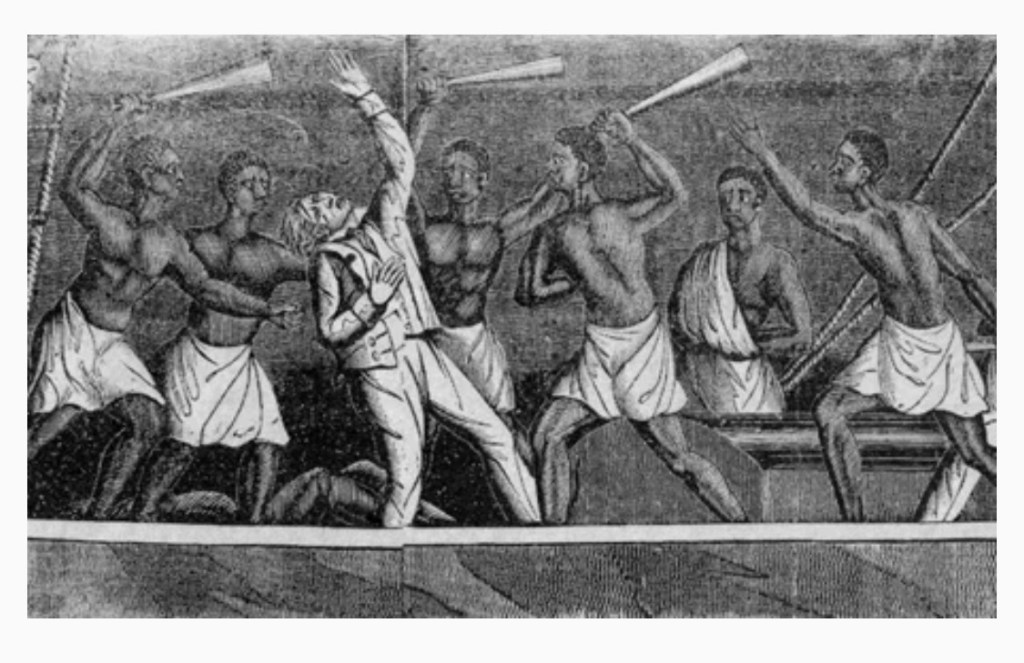
Despite the mutiny, the King David ultimately landed in Saint Kitts.
Of the 276 enslaved Africans originally forced aboard the ship, 209 disembarked on the island—most of whom likely ended up on one of St. Kitts’ many sugar plantations. According to the SlaveVoyages database, the journey from Bristol to Calabar to Saint Kitts lasted a brutal 347 days, a length of time that underscores the relentless suffering of the Middle Passage.
The King David revolt is frequently cited in studies of maritime slave rebellions and stands as a powerful reminder that enslaved Africans did not accept their fate passively. Resistance was widespread. In one separate incident aboard the Prince of Orange slave ship, 33 enslaved people leapt to their deaths upon arrival at St. Kitts, choosing the sea over bondage. (See my previous blog post on the Prince of Orange Tragedy)
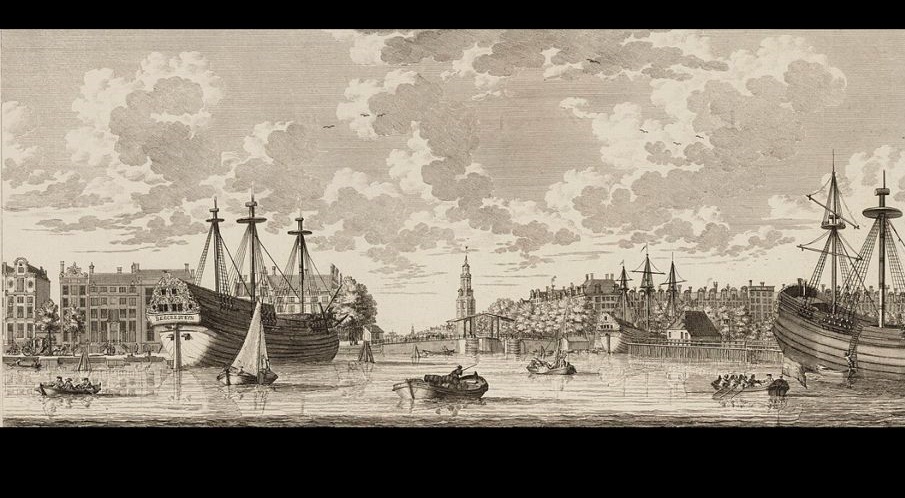
Beeckestijn (left) docked in Amsterdam, c. 1735
Another revolt illustrates how often these acts occurred. On the ship Thomas, bound for Barbados, enslaved women—who were not normally chained—seized muskets, overpowered the crew, and freed the men. Like the rebels on the King David, they were unable to sail the ship back to West Africa. A British warship eventually recaptured them.
The full extent of slave ship revolts is difficult to quantify, but historians estimate that there was probably a significant revolt on British slavers every two years. Many of these cases only entered public record because they were tied to insurance claims for the loss of “cargo.”
In 1790, Parliament again regulated the slave trade, declaring that the loss of enslaved people through natural death, ill treatment, or being thrown overboard—“such as the case of the Zong”—was not covered by insurance.
The mutiny aboard the King David exposes both the brutal logic of the transatlantic slave system and the extraordinary courage of those who resisted it. These were not isolated explosions of violence, but sustained acts of defiance—human beings fighting, by any means necessary, against an inhuman system.
For St. Kitts, the story of the King David is not distant maritime history—it is part of the island’s foundation. The sugar estates that once lined the island were filled with people who survived the Middle Passage, many arriving after journeys marked by rebellion, terror, and loss. The mutiny of May 8, 1750 reminds us that those brought to St. Kitts in chains were not passive victims of history, but active agents who resisted their captivity at every stage, including at sea. Remembering the King David forces the island’s landscape—its plantations, ruins, and shorelines—to be seen not only as sites of production, but as witnesses to courage, defiance, and the unfinished work of historical reckoning.
🌺🌸Buy me a coffee ☕️ please🌺🌸


Disclaimer: some content is edited by ai.

