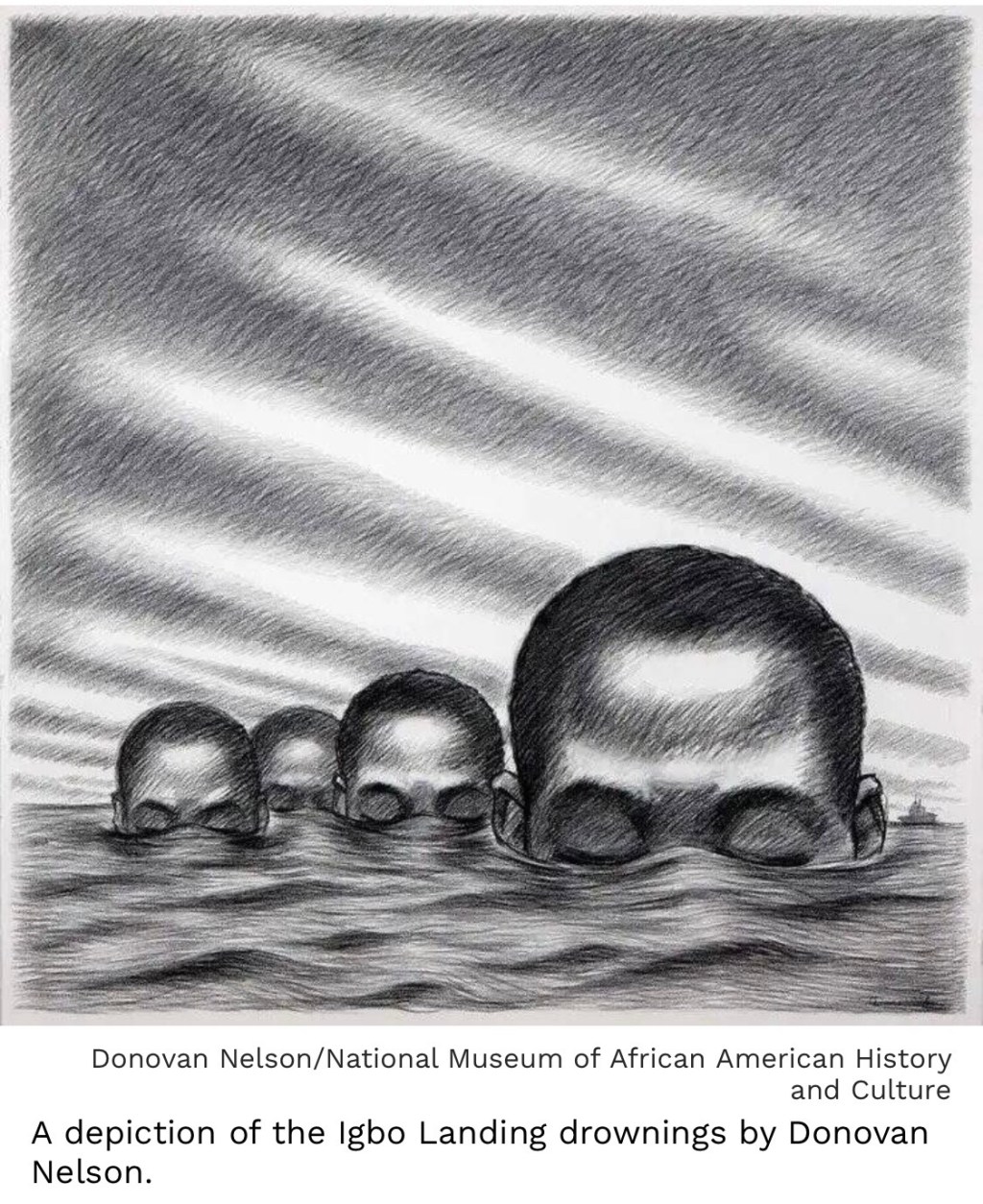
The story of Igbo Landing and The Prince of Orange tragedy in St.Kitts explores two of the most powerful acts of resistance in Atlantic World history and its lasting meaning in the African diaspora.
“ Oh Freedom, Oh Freedom, Oh Freedom over me. And before I be a slave I be buried in my grave and go home to my lord and be free.” These are the hauntingly beautiful lyrics to a popular Negro Spiritual.
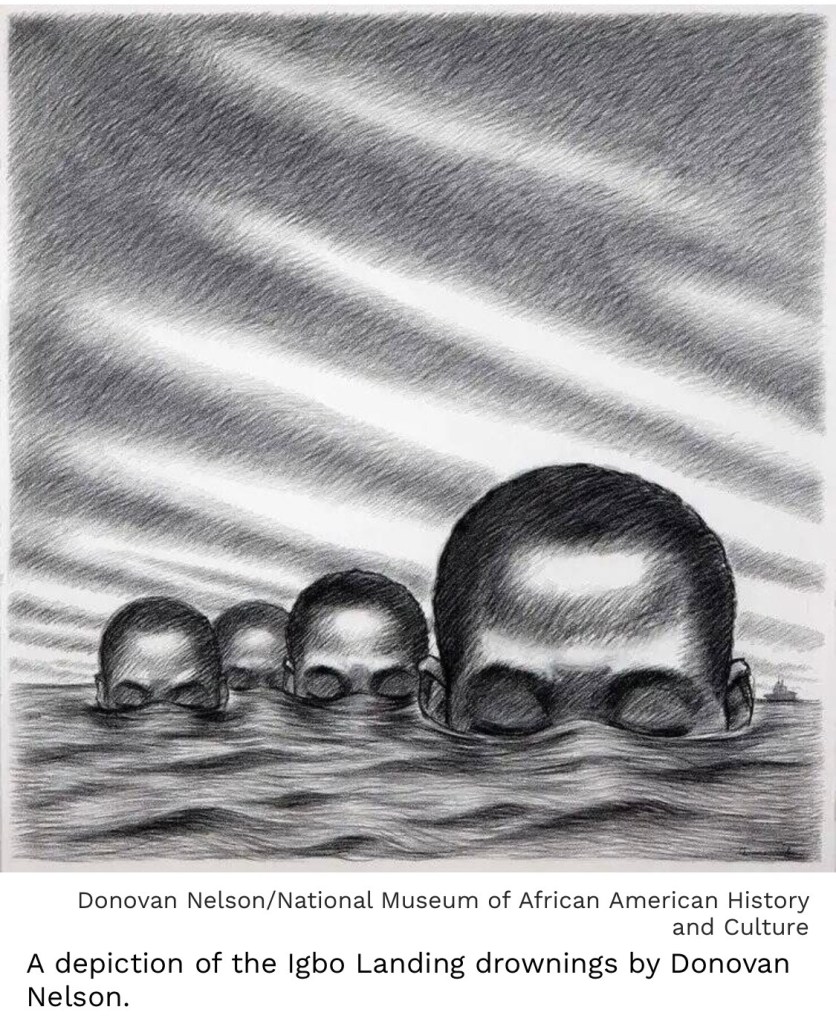
Many people have read or heard about the heartbreaking loss at Igbo Landing. It is also known as Ibo Landing, Ebo Landing, or Ebos Landing. This is a historic site located at Dunbar Creek on St. Simons Island in Glynn County, Georgia. In 1803, it became the setting of a powerful and devastating act of resistance: a mass suicide by captive Igbo people who had seized control of the slave ship transporting them and refused to submit to enslavement in the United States.
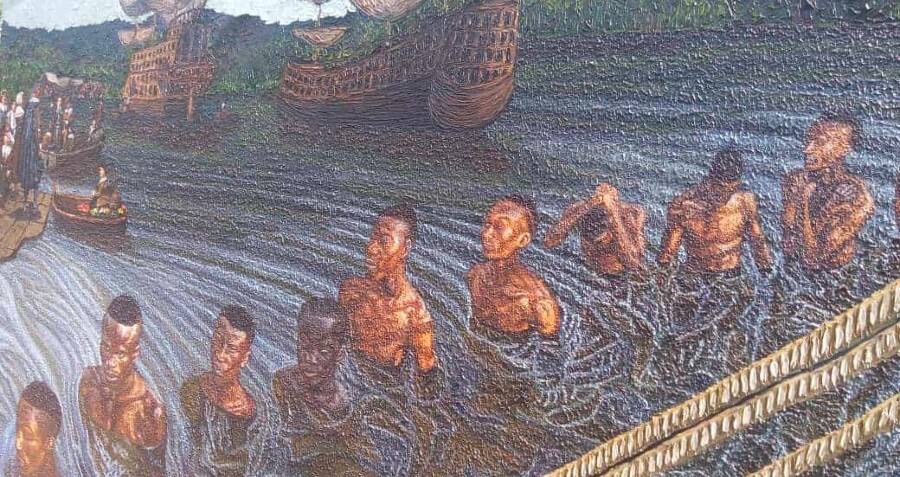
Rather than accept a life in bondage, they chose death on their own terms. That decision has echoed far beyond the moment itself. Over time, the event has taken on profound moral and symbolic meaning, standing as a stark assertion of agency in the face of absolute coercion. In African American folklore, it lives on through the legend of the Flying Africans, and it holds a lasting place in literary history as one of the clearest expressions of resistance to slavery ever recorded on American soil.
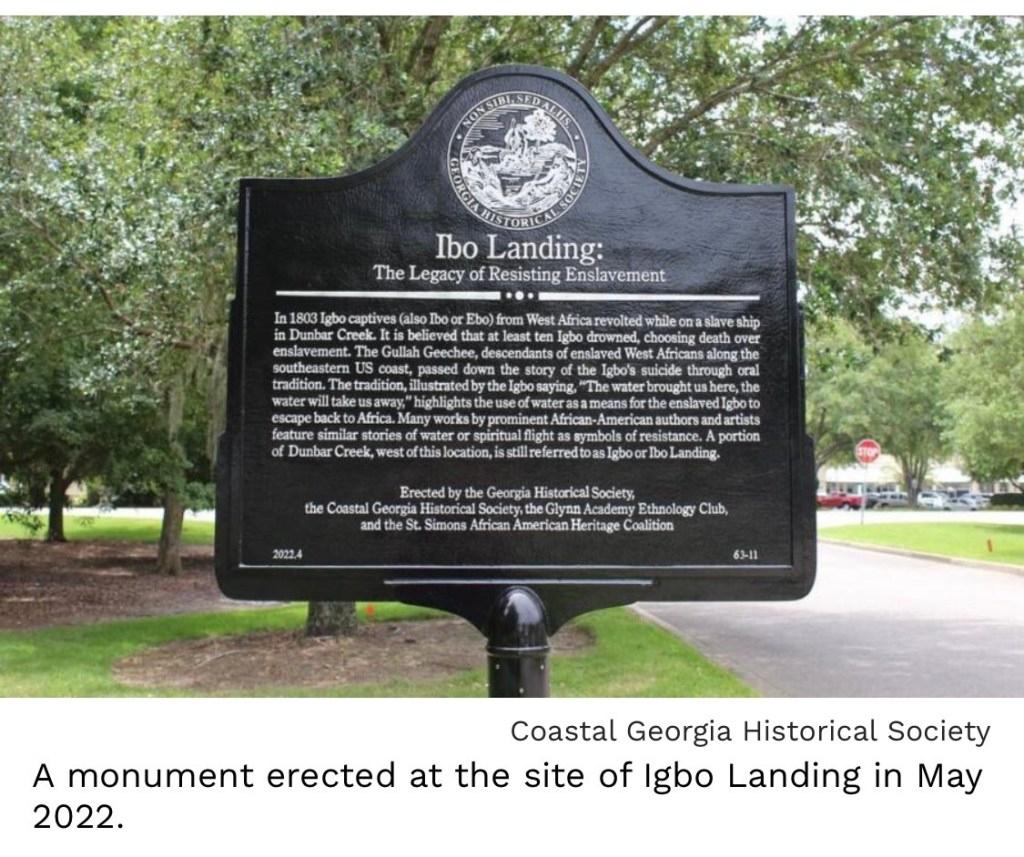
Igbo Landing is remembered not only as a site of tragedy, but as a testament to defiance, dignity, and the refusal to surrender one’s humanity—even at the highest cost.
Would you be startled to learn that a similar fate came to pass in St.Kitts more than a hundred years earlier.
The Trans-Atlantic Slave Trade
The Trans-Atlantic Slave Trade Database documents more than 1,700 slave ship voyages that brought enslaved Africans to St. Kitts, highlighting the island’s central role in the British Caribbean slave trade. Most Africans arrived on British ships between 1726 and 1775, driven by the expansion of sugar plantations and colonial profit. Notable voyages—including the Hesketh, Prince of Orange, Jesus of Lübeck, and Africa—reveal the scale, brutality, and human cost of the transatlantic slave trade, from mass drownings during resistance to royal involvement in human trafficking.
The Prince of Orange

The slave ship Prince of Orange was owned by Richard Farr & Co. of Bristol. Its 1736 voyage was captained by Japhet Bird and marked the second of four slaving voyages made while the ship was under that ownership. Like so many vessels in the transatlantic slave trade, the Prince of Orange followed a brutal and highly systematized route—one designed entirely around profit, not survival.
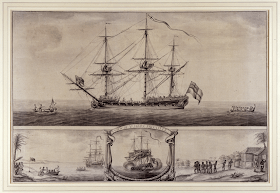
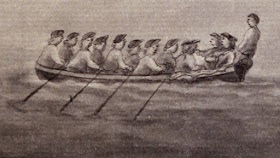
On the coast of West Africa, at least 273 enslaved Africans were bought and survived the Atlantic crossing to be sold in the Caribbean. Their forced journey began before they ever reached the ship itself. The accompanying image of the slave ship Jason Privateer shows enslaved Africans being transferred into a smaller boat and ferried out to a waiting vessel.
The enslaved people taken aboard the Prince of Orange would have boarded the ship in the same way—already stripped of autonomy before ever stepping onto the deck.
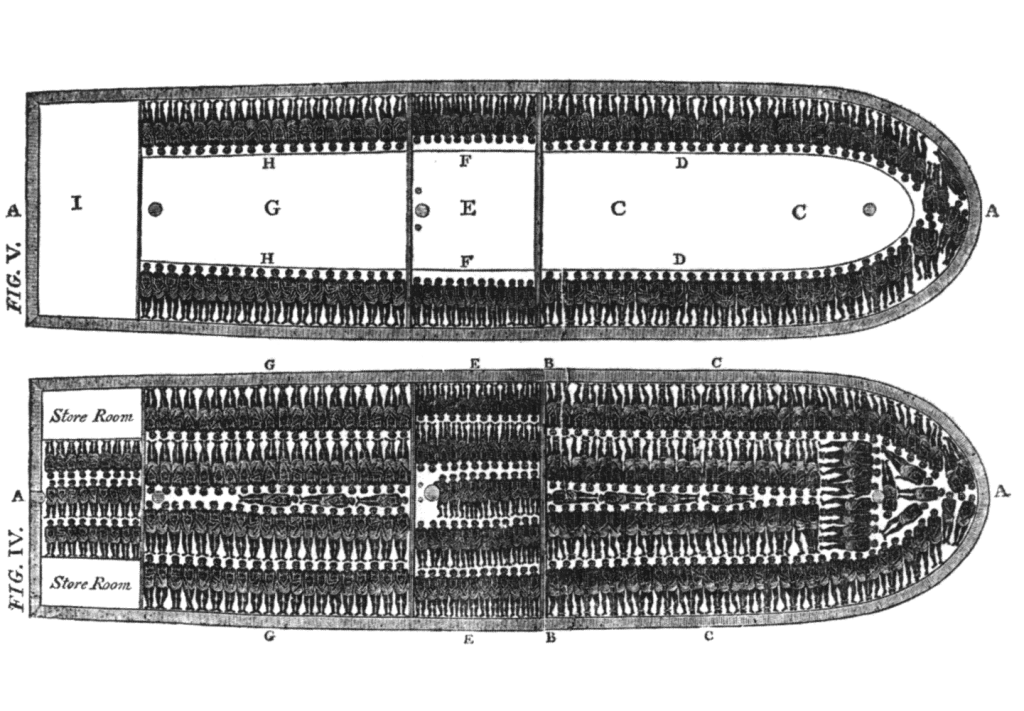
For some, the horrors of what lay ahead were unimaginable and unbearable. Near the island of St Kitts in the Caribbean, 100 of the African men aboard the Prince of Orange chose resistance through death. They jumped overboard. Thirty-three of them drowned.
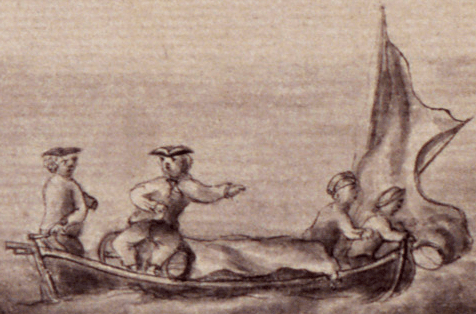
The surviving records capture the chilling indifference of the system that enslaved them. As one contemporary account notes:
“… more of them were taken up almost drowned, some of them died since, but not the owners loss, they being sold before any discovery was made of the injury the salt water had done them.”
The language is stark, transactional, and revealing. Human suffering is reduced to inventory, survival measured only in market value. Yet beneath that cold accounting lies a powerful truth: for those men, the decision to leap into the sea was an assertion of agency in a world designed to erase it.
The story of the Prince of Orange is not only a record of violence—it is also a reminder that resistance took many forms, including the refusal to live without freedom.
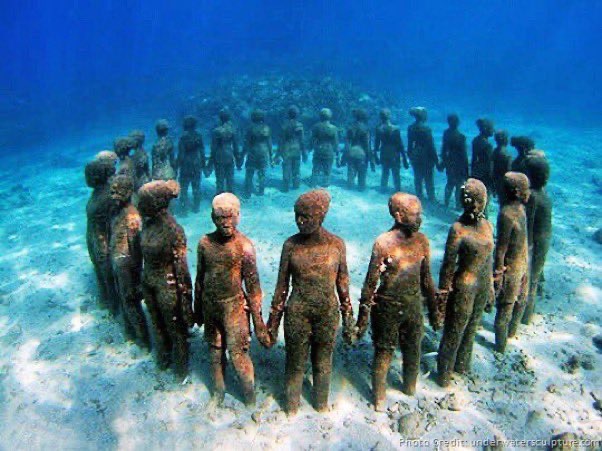
The
Molinere Underwater Sculpture Park in Grenada, featuring works by Jason deCaires Taylor, includes Vicissitudes, a ring of 26 children holding hands. While often interpreted as a poignant tribute to enslaved Africans lost during the Middle Passage.
Where is our monument in St.Kitts to the thirty three brave African souls who chose freedom over a life of misery and servitude?
🌺🌸Buy me a coffee ☕️ please🌺🌸