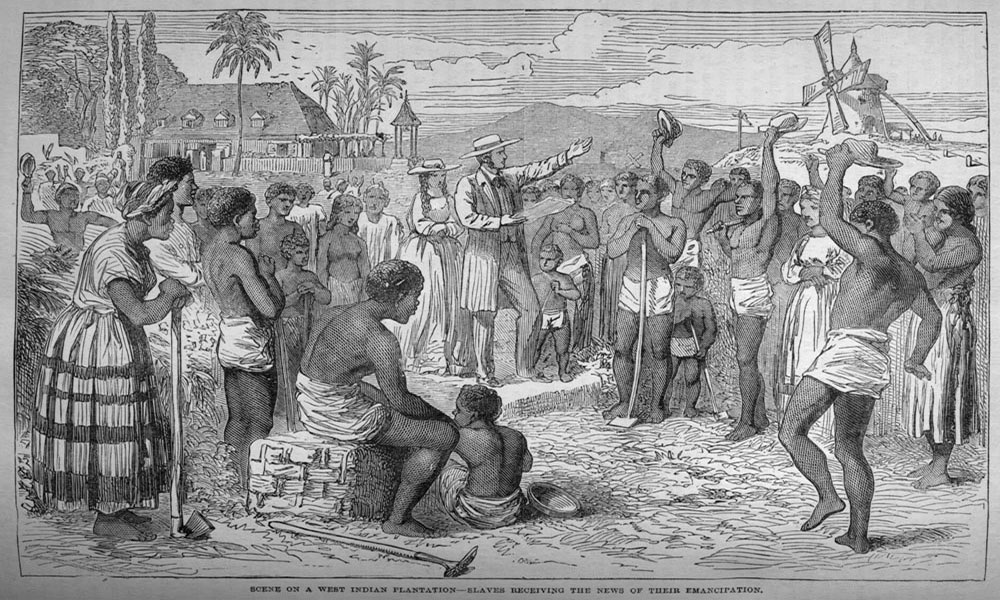
This post examines how European colonization, economic ambition, and racial ideology laid the foundations of slavery in the Caribbean island of St.Kitts.
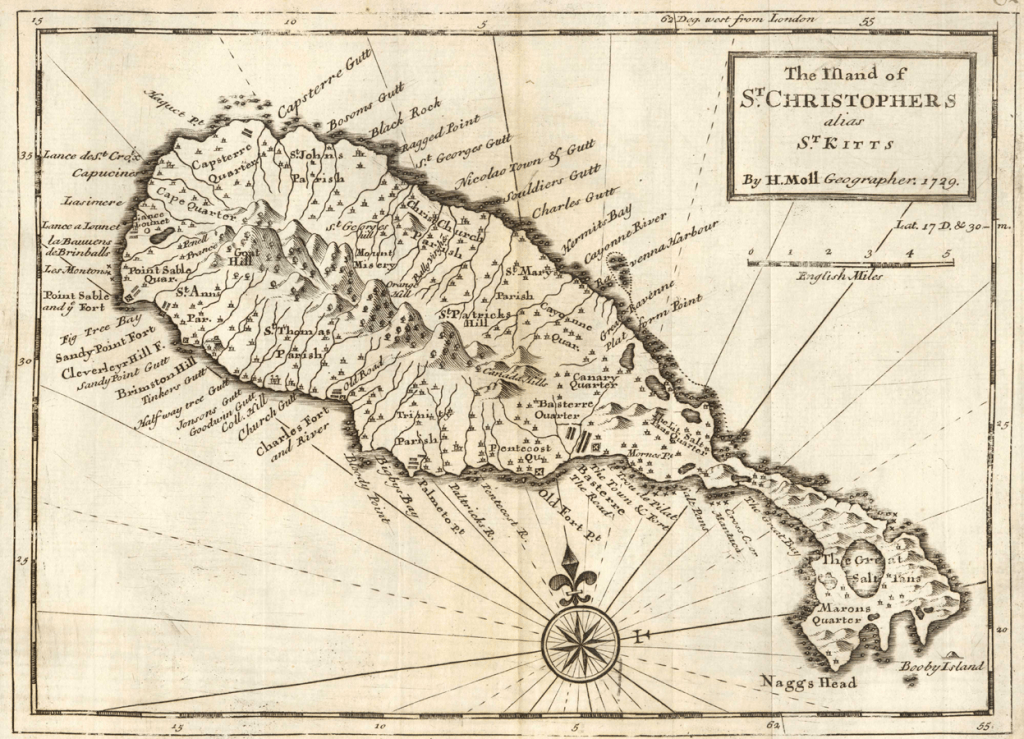
Where Did the Enslaved People of St. Kitts Come From—and Who Started Slavery in the Caribbean?
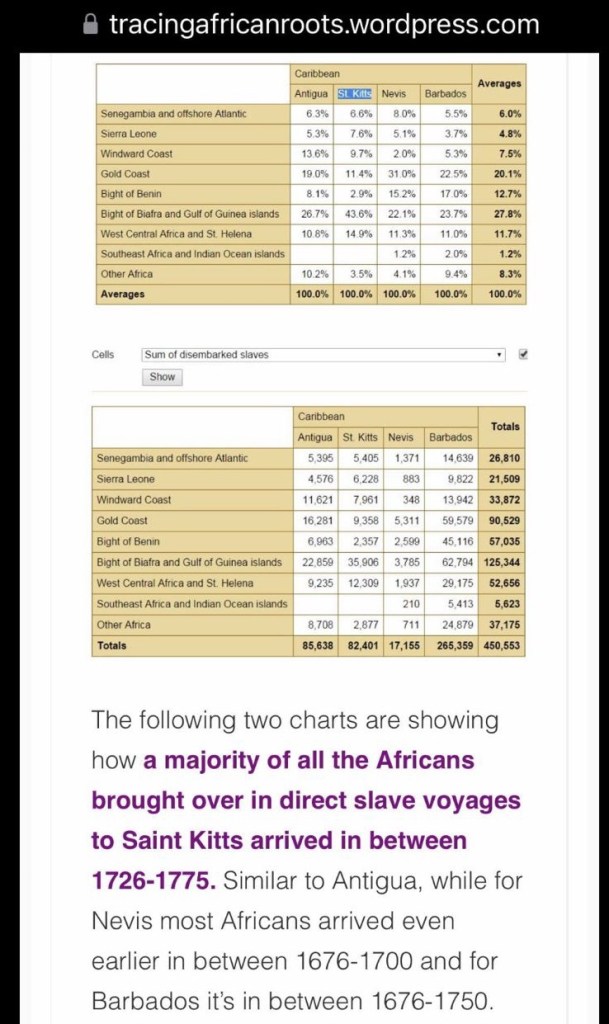
The enslaved Africans brought to St. Kitts came primarily from West and Central Africa, with early documented purchases from Senegal and later from regions that are now Ghana, Benin, Nigeria, Congo, and Angola. These men, women, and children were forcibly transported through European trading networks that linked African coastal forts, Caribbean plantations, and European markets into a single brutal system.
But slavery in the Caribbean did not begin in a vacuum. It was the product of European colonization, sanctioned by church doctrine, royal charters, and commercial ambition.
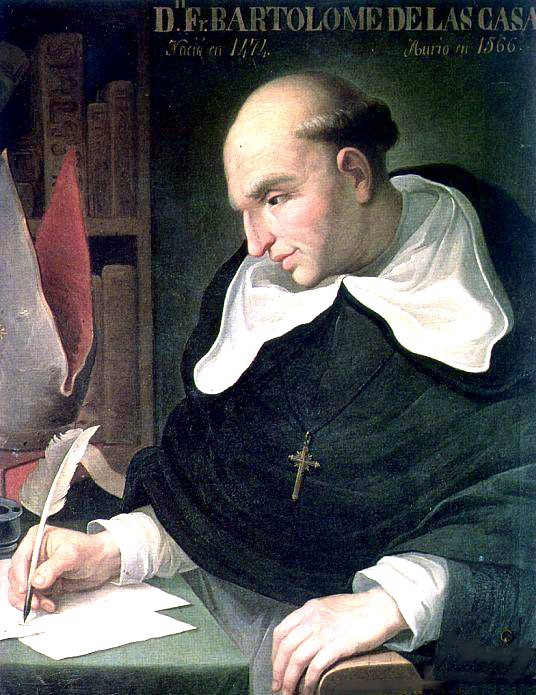
One of the most consequential early justifications came from within the Church itself. Bartolomé de Las Casas, a Christian priest who initially opposed the enslavement of Indigenous peoples, argued instead for the enslavement of Africans. As one account states:
“In case the Pope would not buy this specious logic, he added that the African was strong and could bear the cruelty of New World slavery. Las Casas, the Christian priest, thus became the holy advocate of the African Slave Trade and set into motion an activity which would last 450 years, claim 10 million lives and virtually empty large areas of West and Central Africa.”
This theological and moral rationalization helped clear the path for European powers to expand slavery across the Caribbean. So can you believe it was a man of God who suggested enslavement and importation of Africans into the Caribbean?!
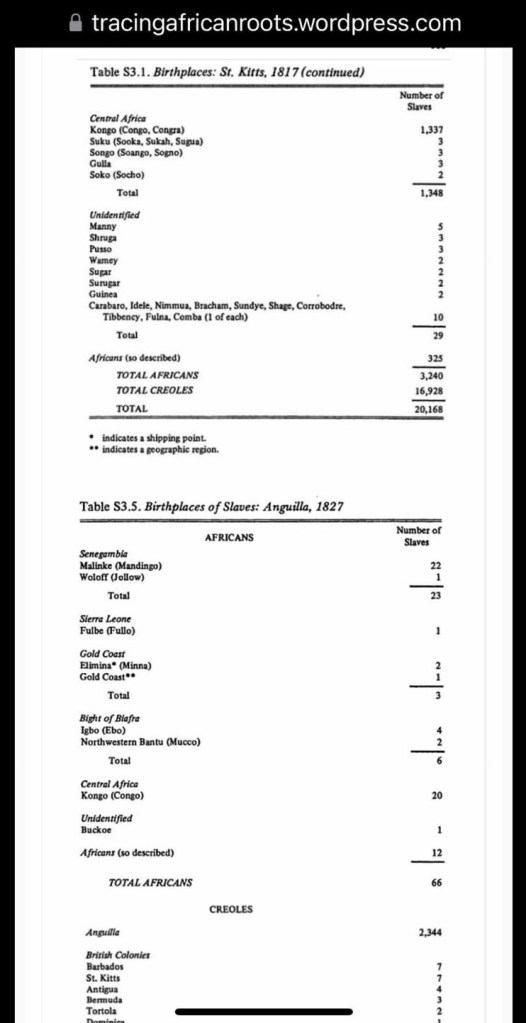
The First Enslaved Africans on St. Kitts
The presence of enslaved Africans on St. Kitts began in 1626, when a small number were taken from the Spaniards. By the time Governor Philip de Lonvilliers De Poincy began experimenting with sugar cane, there were already enough enslaved people on his estate to establish a separate village beyond the walls of his chateau—an early sign of how central enslaved labor would become to the island’s economy.
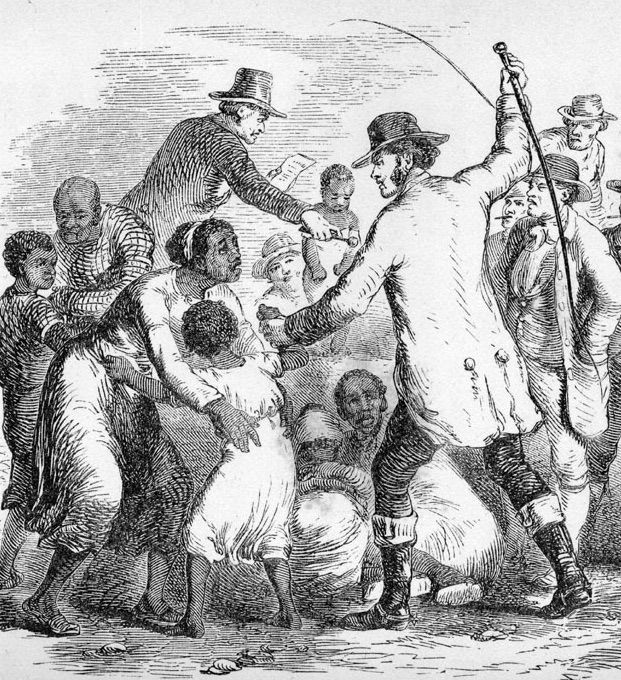
In 1627, Thomas Warner and Pierre Belain d’Esnambuc divided the island into four quarters, with the English controlling the middle half and the French holding the end quarters. The following year, Cardinal Richelieu formed the Compagnie de Saint-Christophe in 1626, and 40 slaves were purchased from Senegal.
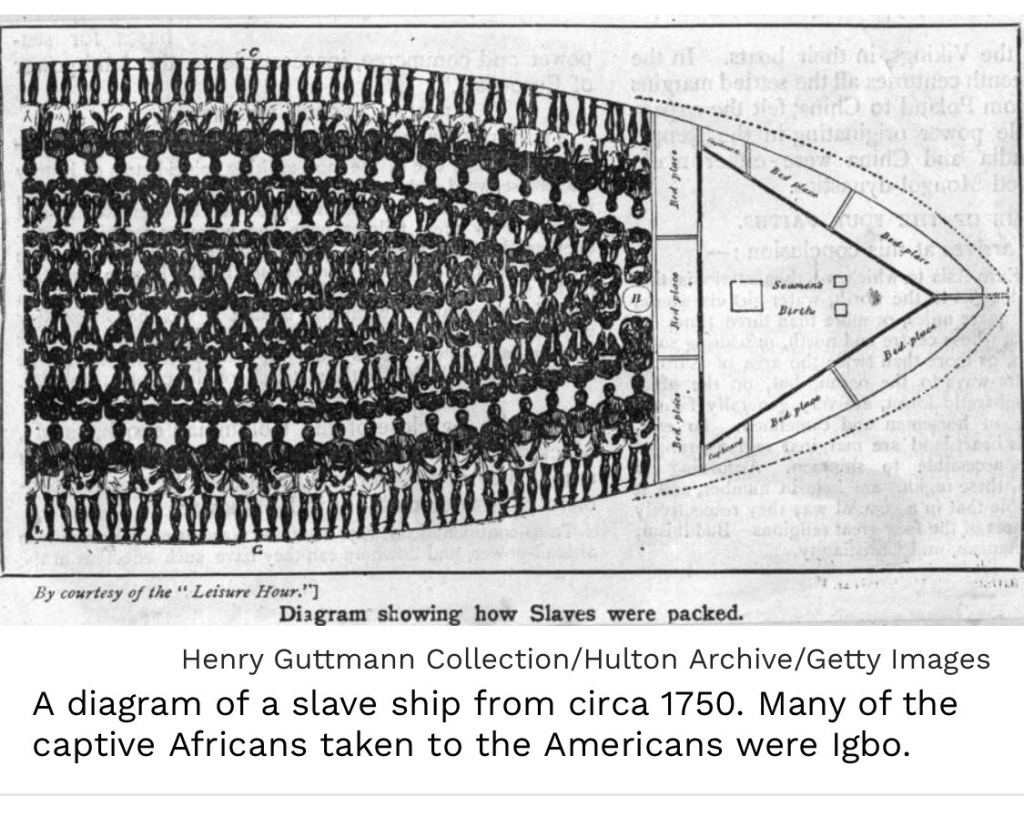
The system expanded rapidly. By 1635, the enslaved population on St. Kitts had grown to 500–600 people. In 1665, the French West India Company replaced the Compagnie, further formalizing and intensifying slavery as the backbone of colonial production.
A Foundation Built on Forced Labor
Slavery in St. Kitts was not an accidental development—it was engineered, imported, justified, and expanded with intent. European powers initiated Caribbean slavery, structured it through law and commerce, and defended it through religion and racial ideology. Africans supplied the labor, paid the cost, and endured the consequences.
Understanding where the enslaved people of St. Kitts came from—and who put the system in motion—reveals a deeper truth: the Caribbean was not merely shaped by slavery. It was built upon it.
The Vast Scale
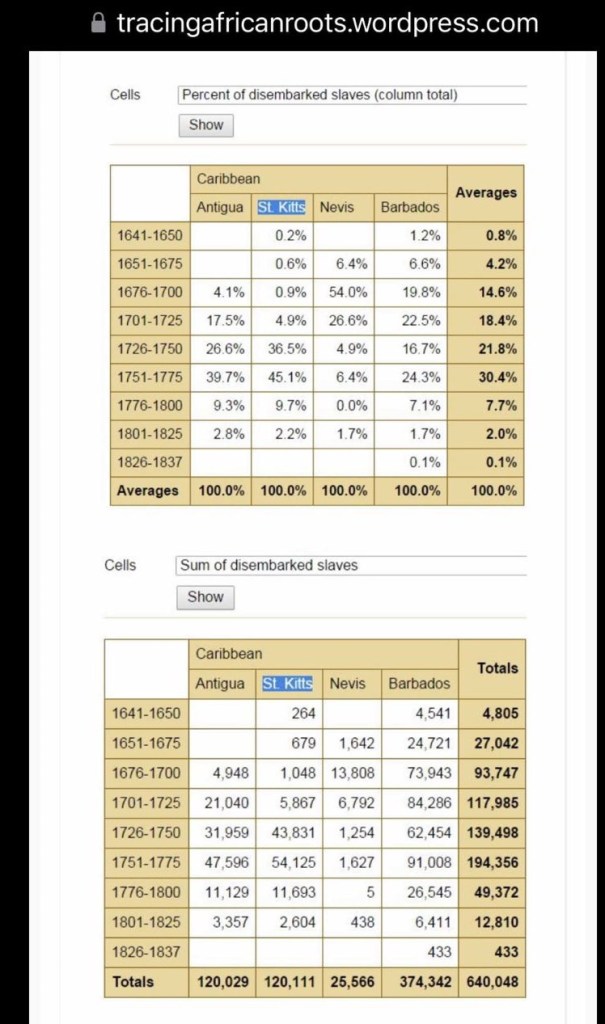
The Trans-Atlantic Slave Trade Database documents more than 1,700 slave ship voyages that brought enslaved Africans to St. Kitts, highlighting the island’s central role in the British Caribbean slave trade. Most Africans arrived on British ships between 1726 and 1775, driven by the expansion of sugar plantations and colonial profit. Notable voyages—including the Hesketh, Prince of Orange, Jesus of Lübeck, and Africa—reveal the scale, brutality, and human cost of the transatlantic slave trade, from mass drownings during resistance to royal involvement in human trafficking.
Beyond St.Kitts: The Bajan Connection in the Role of Chattel Slavery
In 1661, Barbados enacted one of the most consequential—and devastating—laws in the history of the English Atlantic world. Officially titled “An Act for the better ordering and governing of Negroes,” the 1661 Barbados Slave Code was the first comprehensive British colonial law to define enslaved Africans not as human beings, but as chattel property.
This law did not emerge in a vacuum. Barbados was a sugar-driven economy where the enslaved population had rapidly increased and soon outnumbered the white population. The code was designed explicitly to maintain control through fear, violence, and legal authority, protecting plantation wealth at any cost.
At its core, the 1661 Code stripped enslaved Africans of personhood. It established that they were “goods and Chattels”—property to be owned by masters and passed down to their heirs forever. This legal distinction was foundational, marking a turning point where race-based slavery became fully embedded in British colonial law.
The act legalized extreme brutality. It authorized severe punishments such as whipping, branding, and nose-slitting for acts of resistance or violence against Christians. Enslaved people could be tortured or killed with little to no legal consequence for their owners, embedding violence directly into the law itself.
Movement and autonomy were tightly restricted. Enslaved people were prohibited from leaving plantations without a ticket, gathering in groups, trading, or possessing weapons. These measures were not incidental—they were calculated responses to a majority Black population living under constant surveillance and coercion.
The impact of the 1661 Barbados Slave Code extended far beyond the island. It became the blueprint for slave laws across other Caribbean colonies and was heavily adopted by the South Carolina colony in North America. Its language and logic helped standardize a racialized system of slavery throughout the English-speaking world.
Ultimately, the 1661 Act formalized a hierarchy that dehumanized enslaved people in order to safeguard the economic interests of the white plantocracy. By codifying race, property, and violence into law, it laid the legal foundation for slavery across the English Atlantic—one whose consequences would echo for centuries.
🌺🌸Buy me a coffee ☕️ please🌺🌸


Disclaimer: some content is edited and generated by AI.

