Before the Caribs: Rethinking the Earliest Peoples of the Caribbean
A reconsideration of Caribbean history before the Caribs, challenging assumptions and uncovering the region’s deeper Indigenous past.
Ciboney or Siboney People
The First People of Saint Kitts and Nevis

Long before European ships appeared on the horizon, Saint Kitts and Nevis were already home to human communities with deep roots in the Caribbean. Historical accounts identify the Ciboney (also spelled Siboney) as the first known inhabitants of the islands, arriving approximately 3,000 years ago (c. 1000–980 B.C.).
These early settlers represent the earliest chapter of human life on the islands—a quiet but enduring presence shaped by the sea, the land, and survival itself.
⸻
Origins and Arrival
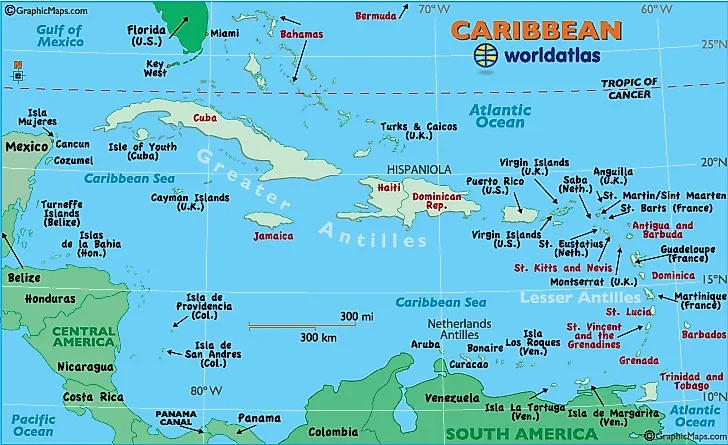
The Ciboney were hunter-gatherers who migrated to Saint Kitts and Nevis from the Greater Antilles, specifically Hispaniola and Cuba. Their movement across the Caribbean reflects an early and sophisticated understanding of marine navigation, even in an era without agriculture or permanent architecture.
⸻
Daily Life and Culture
The Ciboney lived a pre-agricultural and pre-ceramic lifestyle. Because they did not produce pottery, archaeologists today face challenges in precisely tracing their timeline and movements. Much of what is known comes from stone tools, shell remains, and habitation sites.

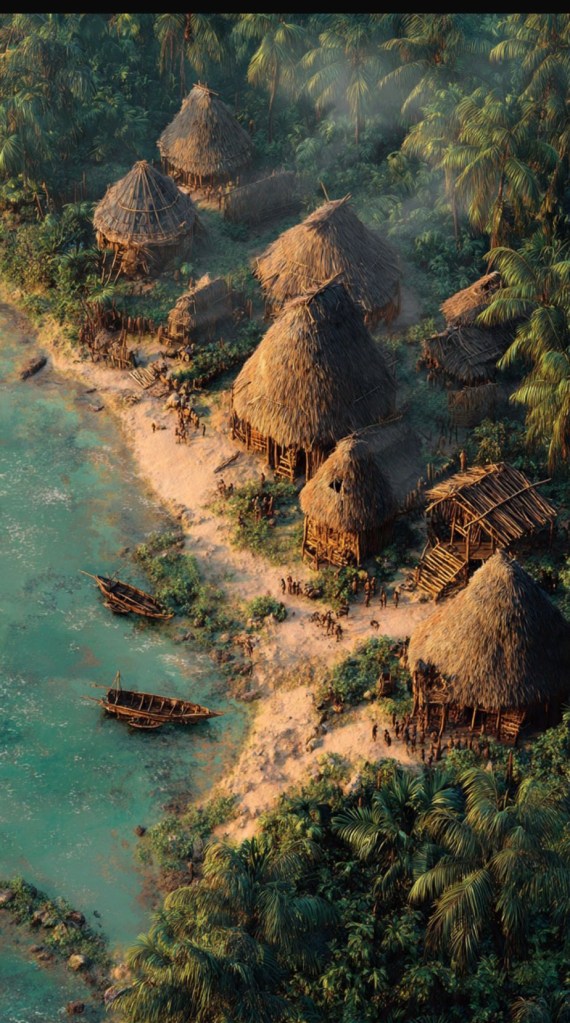
They typically lived in rock shelters and semi-permanent villages, relying heavily on marine resources and fishing. Clothing was minimal, suited to the climate, and often supplemented with body paint made from natural dyes. Personal adornment mattered: jewelry crafted from shells, stones, and feathers suggests a strong aesthetic culture tied closely to the natural world.

⸻
Displacement and Change
Around 800 A.D., the Ciboney were displaced or assimilated by the more agriculturally advanced Taino (Arawak) people. Over time, another major shift followed. By 1493, when Europeans arrived, the islands were dominated by the Kalinago (Caribs), who had previously overtaken the Arawaks.
By then, the Ciboney had vanished from historical record—not through a single event, but through centuries of migration, assimilation, and cultural transformation.
⸻
Modern Archaeological Debate
Today, scholars continue to revisit and refine this early history. Some contemporary researchers argue that the term “Ciboney” was historically misapplied to multiple Caribbean cultures. As a result, archaeological evidence now often refers to these early settlers in Saint Kitts as “Archaic people”, rather than a distinct ethnic group originating in Cuba.
This evolving terminology reflects a broader effort to better understand the complexity of early Caribbean societies—acknowledging how much remains unknown, and how much interpretation continues to change as new evidence emerges.
⸻
Though their material footprint was light, the legacy of these earliest inhabitants remains foundational. The story of Saint Kitts and Nevis does not begin with conquest or colonization—it begins thousands of years earlier, with people who learned to live in rhythm with the islands themselves.

What the Archaeology Reveals
Artifacts from the earliest inhabitants of St. Kitts and Nevis—often referred to by archaeologists as “Archaic people” rather than Ciboney—offer a quiet but revealing glimpse into how these communities lived. What survives in the archaeological record is modest in scale, yet deeply informative, consisting primarily of stone and shell tools, along with evidence of their diet in the form of marine shells and animal bones.
These finds speak less to monument-building or permanent settlements and more to adaptability, mobility, and intimate knowledge of the environment.
⸻
Tools of Survival
Stone tools make up the largest category of recovered artifacts. Archaeologists have identified an extensive collection made from both local and non-local stone, including chert from Antigua, suggesting regional movement or exchange networks.
Among the tools found are:
• Flaked and chipped stone tools, including flakes, bifacial flakes, and utilized flakes
• Grinding stones, pestles, and mortars, used for processing food
These implements point to a subsistence lifestyle centered on hunting, gathering, and food preparation rather than large-scale agriculture.
⸻
Shell, Bone, and Daily Life
Artifacts fashioned from the sea are equally prominent. Shell tools, particularly conch shell gouges, have been recovered, reflecting the importance of marine resources beyond food alone.
The archaeological deposits and middens (refuse heaps) contain large quantities of marine shells, indicating a diet rich in shellfish. Alongside them are bones from agouti, dogs, birds, and fish, rounding out a picture of a varied and opportunistic food system tied closely to the coastal environment.
⸻
Personal Adornment
Even in the absence of permanent architecture or ceramics, evidence of personal expression remains. Conch shell and stone beads have been discovered, suggesting that adornment and visual identity held meaning within these early communities.
⸻
Why the Record Is Sparse
The relative scarcity of artifacts is not accidental. These earliest inhabitants were pre-ceramic and pre-agricultural, meaning they did not produce pottery or establish large, permanent settlements that would leave extensive durable remains. Much of their material culture relied on perishable materials such as wood and natural fibers, which rarely survive over long periods.

As a result, their archaeological footprint is far lighter than that of later cultures. By contrast, colonial-era artifacts—including glass, buttons, and imported ceramics—are far more common in the archaeological record of the islands, not because those societies were more significant, but because their materials endured.
⸻
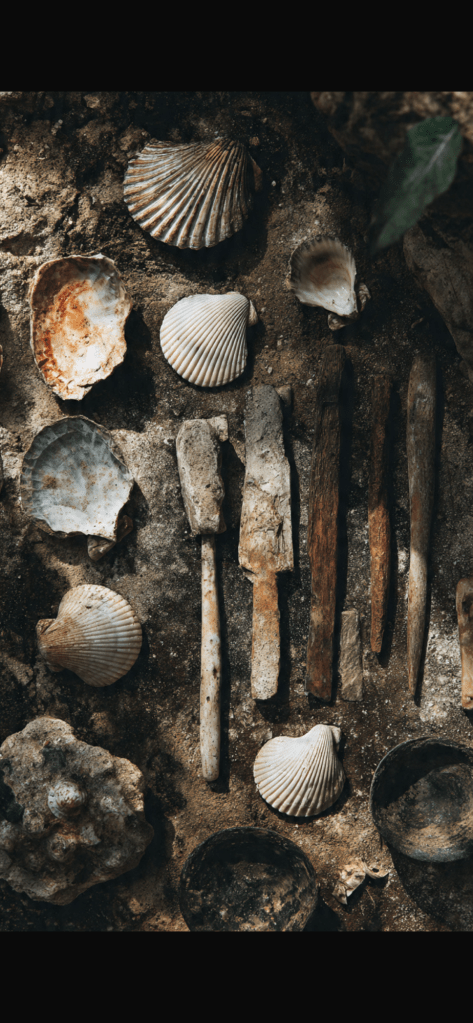
What remains of the Archaic people of St. Kitts and Nevis is subtle rather than spectacular. Yet within stone flakes, shell tools, and food remains lies a powerful reminder: long before written history, these islands were already carefully known, worked, and lived in—one meal, one tool, and one shoreline at a time.
🌺🌸Buy me a coffee ☕️ please🌺🌸

Disclaimer: some content and images were AI generated.

